

Knee Cartilage
Demo Author One
Cartilage repair options for lasting joint health
A practical overview of cartilage repair, injection therapy, rehabilitation planning, and the clinical evidence that guides joint preservation care.

Guide price only. Final cost is confirmed after assessment.
Hip replacement recovery is well structured and predictable for most patients. The goal is early mobilisation, progressive strengthening and a confident return to daily life and recreation. This page walks you through the full timeline, from your overnight stay at the 5-star Weymouth Street Hospital to the long-term strength gains in the first year.
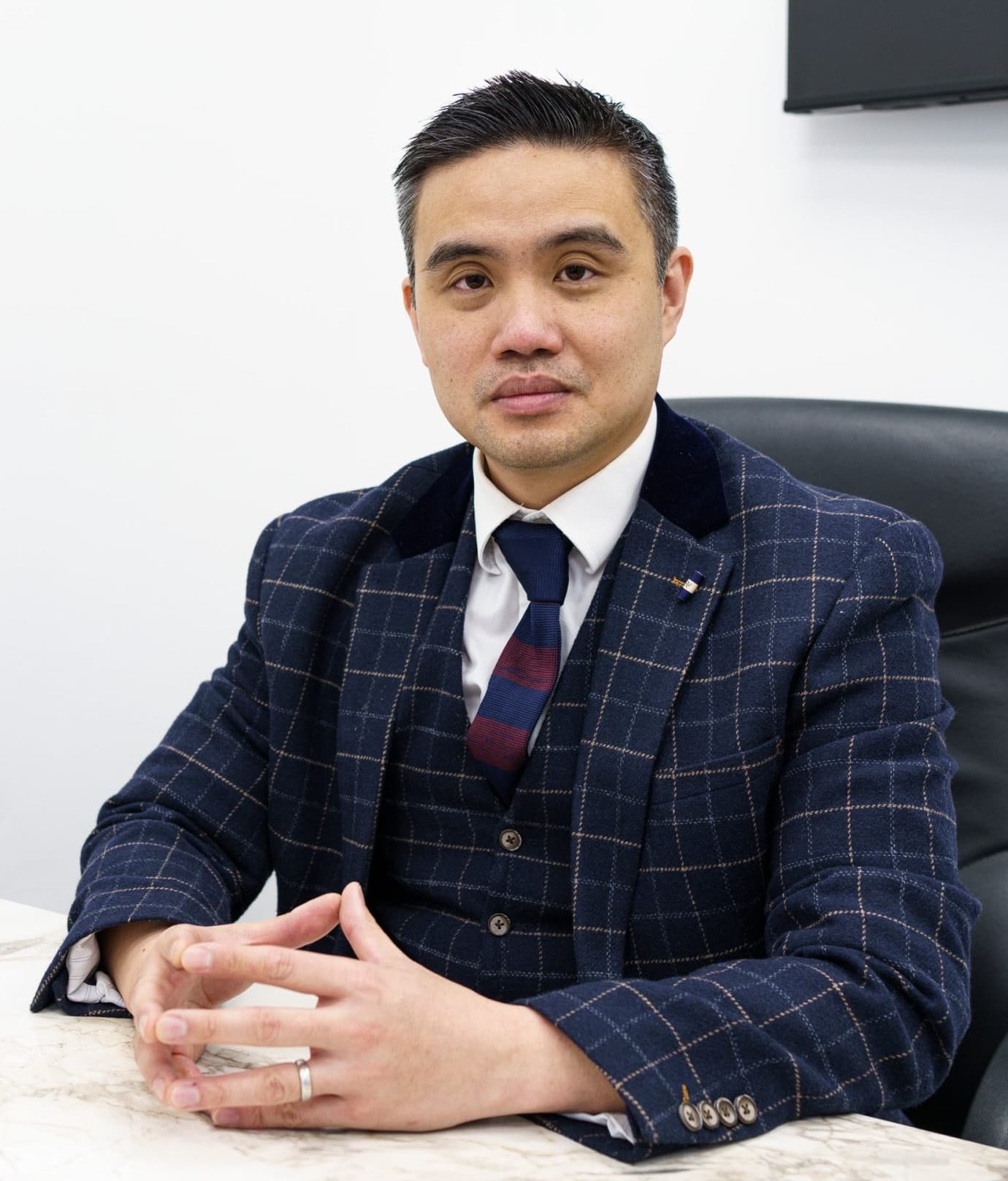 Reviewed byProf Paul Lee MBBch, FRCS (Tr & Orth), PhDLast reviewed 1 May 2026
Every recovery is individual. The pattern below is the typical journey for patients who go through hip replacement at London Cartilage Clinic. Your timeline is confirmed by your surgical team based on your procedure and progress.
Current data shows that over 90% of modern hip replacements are still functioning well at 15 to 20 years. Advances in bearing materials and surgical technique continue to improve longevity, and pre-operative templating optimises leg length, offset and implant fit for each patient.
The full evidence summary is on the hip replacement evidence and outcomes page.
Take the readiness self-assessment to frame a conversation with Professor Lee, or read more about hip replacement at London Cartilage Clinic.
Led by Professor Paul Lee at the 5-star Weymouth Street Hospital. Muscle-sparing technique, patient-specific planning, and a published 0% safety record.
Read moreNine questions, around three minutes. A shared decision-making tool to frame a conversation with Professor Lee.
Read moreHarley Street consultations with surgery a short walk away at the 5-star Weymouth Street Hospital.
Read moreThe 0% safety record, SPAIRE technique citation and long-term implant survival data, reported plainly.
Read moreJoint-preserving and biological options first, with hip replacement as the right next step when it is the right next step.
Read more
Most patients walk with a frame or crutches from the day of surgery. Walking aids are typically discarded within two to six weeks. A normal gait pattern usually returns within two to three months, and strength continues to improve for up to a year.
Most patients return to driving around four to six weeks after surgery, once they are off opioid pain medication and can perform an emergency stop confidently. Your surgical team will confirm the right time for you at follow-up.
Desk work is usually possible from four to six weeks. Manual or standing work typically takes longer, often eight to twelve weeks depending on the demands. We will write to your employer if a phased return is needed.
Recreational activity including walking, cycling and swimming usually resumes from six to twelve weeks. Higher-impact activity is reintroduced gradually as strength and gait return. Your individual timeline is confirmed by your surgical team based on your procedure and progress.
Most patients stay one night at the 5-star Weymouth Street Hospital, with dedicated nursing care and in-hospital physiotherapy. Length of stay is confirmed by your surgical team based on how mobile you are on day one.
Yes. In-hospital physiotherapy starts the day of surgery, and we recommend ongoing physiotherapy as part of your recovery. Your physiotherapy can be arranged through your own provider or coordinated by London Cartilage Clinic.
Most patients sleep on their back for the first few weeks. Sleeping on the un-operated side, with a pillow between the knees, is often possible from two to four weeks. Sleeping on the operated side is usually comfortable from around six weeks.
Still have more specific concerns?
Free Discovery CallLondon Cartilage Clinic
Clinical updates, cartilage treatment guidance, and recovery-focused articles from our specialist team.
A practical overview of cartilage repair, injection therapy, rehabilitation planning, and the clinical evidence that guides joint preservation care.
A practical overview of cartilage repair, injection therapy, rehabilitation planning, and the clinical evidence that guides joint preservation care.
A practical overview of cartilage repair, injection therapy, rehabilitation planning, and the clinical evidence that guides joint preservation care.