

Knee Cartilage
Demo Author One
Cartilage repair options for lasting joint health
A practical overview of cartilage repair, injection therapy, rehabilitation planning, and the clinical evidence that guides joint preservation care.

Guide price only. Final cost is confirmed after assessment.
The hip labrum is a ring of cartilage that lines the socket and helps seal the joint. Tears, often caused by femoroacetabular impingement (FAI) or trauma, can produce deep groin pain, clicking, and restricted movement. Hip arthroscopy allows the labrum to be repaired and, where needed, the underlying bone abnormality corrected at the same time. At London Cartilage Clinic, our hip specialists use advanced imaging and arthroscopic techniques to restore joint integrity and protect long-term hip health.
 Reviewed byProf Paul Lee MBBch, FRCS (Tr & Orth), PhDLast reviewed 1 May 2026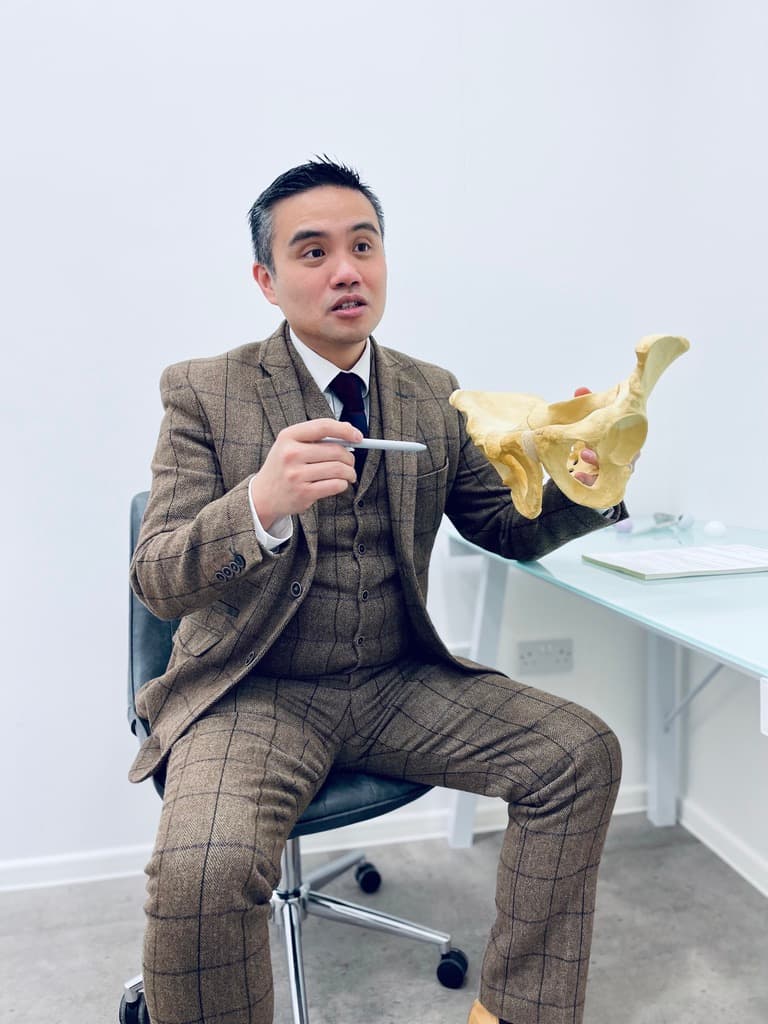
The labrum acts as a gasket, sealing synovial fluid within the joint to distribute pressure evenly across the cartilage surface. When this seal is broken by a tear, the joint loses its ability to manage load effectively.
When FAI is the underlying cause, repairing the labrum without correcting the bone shape risks re-tearing. Our approach addresses both problems in a single procedure where appropriate.
Hip arthroscopy is performed under general anaesthetic. The leg is gently distracted to open the joint space, and small portals are used to insert the camera and instruments. The labrum is reattached with suture anchors, and any bony impingement is trimmed.
We provide a staged rehabilitation programme with clear milestones for each phase. The goal is not just pain relief, but a return to the activities that matter to you.
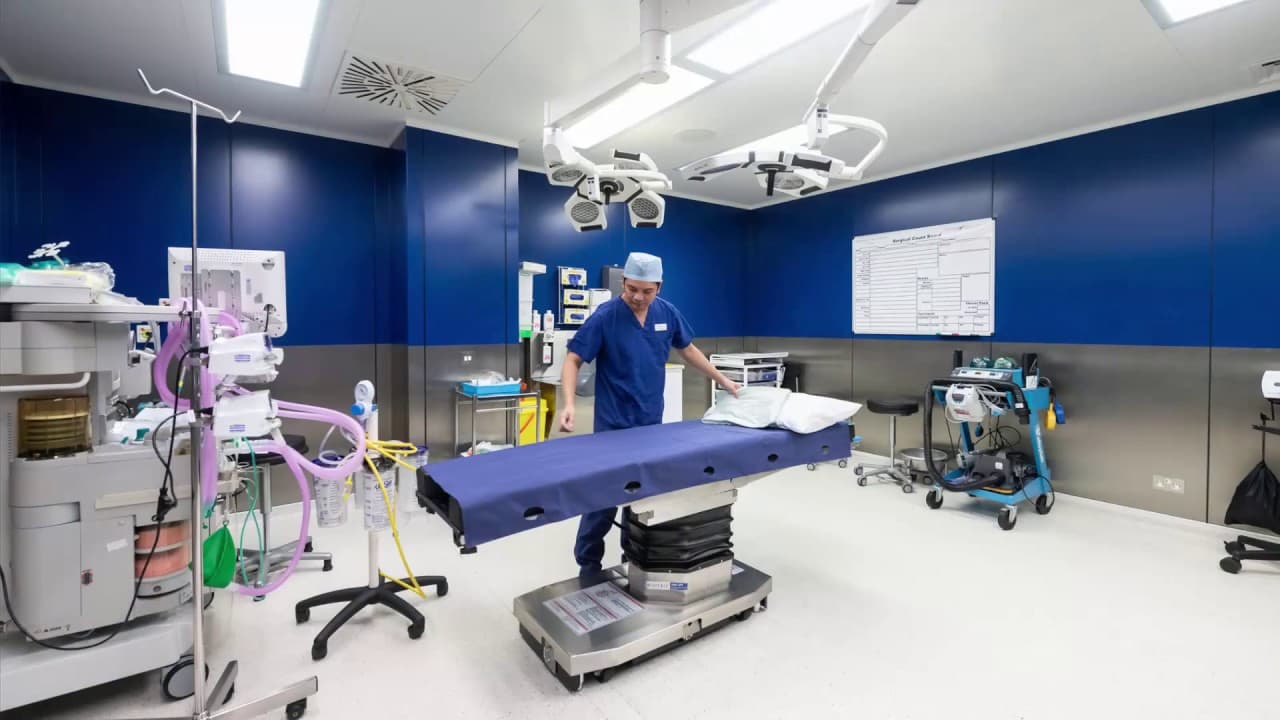
You may have more options than you think
At London Cartilage Clinic we follow a structured clinical framework across four areas of treatment. Before recommending a single procedure, we assess which combination of approaches gives you the best outcome.
Protect what you have. Slow degeneration and manage symptoms.
Fix specific damage. Torn tissue, unstable joints, structural problems.
Rebuild lost tissue. Biological treatments that stimulate new growth.
When other options are exhausted. Joint replacement as a last resort.
Explore the full range of treatments available for your joint. Each hub page shows every option we offer, organised by clinical approach.

The hip labrum is a ring of fibrocartilage that lines the rim of the hip socket (acetabulum). It creates a seal around the ball of the femur, distributes load across the joint, and provides stability. A torn labrum disrupts this seal and can lead to pain, catching, and accelerated cartilage wear.
Common causes include femoroacetabular impingement (FAI), where abnormal bone shape creates friction during movement, as well as trauma, repetitive hip flexion in sport, and degenerative wear. Many patients have a combination of labral damage and underlying FAI.
Yes. Hip arthroscopy uses small incisions and a camera to access the joint. The torn labrum is reattached using suture anchors, and if FAI is present, the impinging bone is reshaped at the same time. This combined approach addresses both the damage and its underlying cause.
Most patients use crutches for two to four weeks and begin physiotherapy immediately. Driving typically resumes around four weeks, desk work sooner. Return to sport varies from three to six months depending on the extent of the repair and whether bone reshaping was performed.
A torn labrum that disrupts the joint seal can accelerate cartilage damage over time. If the tear is caused by FAI, the ongoing impingement continues to worsen both the labrum and the cartilage beneath it. Early assessment helps determine whether treatment now can prevent more significant problems later.
Still have more specific concerns?
Free Discovery CallLondon Cartilage Clinic
Clinical updates, cartilage treatment guidance, and recovery-focused articles from our specialist team.
A practical overview of cartilage repair, injection therapy, rehabilitation planning, and the clinical evidence that guides joint preservation care.
A practical overview of cartilage repair, injection therapy, rehabilitation planning, and the clinical evidence that guides joint preservation care.
A practical overview of cartilage repair, injection therapy, rehabilitation planning, and the clinical evidence that guides joint preservation care.