

Knee Cartilage
Demo Author One
Cartilage repair options for lasting joint health
A practical overview of cartilage repair, injection therapy, rehabilitation planning, and the clinical evidence that guides joint preservation care.

Guide price only. Final cost is confirmed after assessment.
The rotator cuff is a group of four tendons that stabilise the shoulder and allow overhead movement. When one or more of these tendons tear, it can cause significant pain, weakness, and loss of function. Arthroscopic rotator cuff repair reattaches the torn tendon to the bone using suture anchors placed through keyhole incisions. At London Cartilage Clinic, our shoulder specialists assess tear pattern, tissue quality, and your functional goals to determine whether repair is the right approach for you.
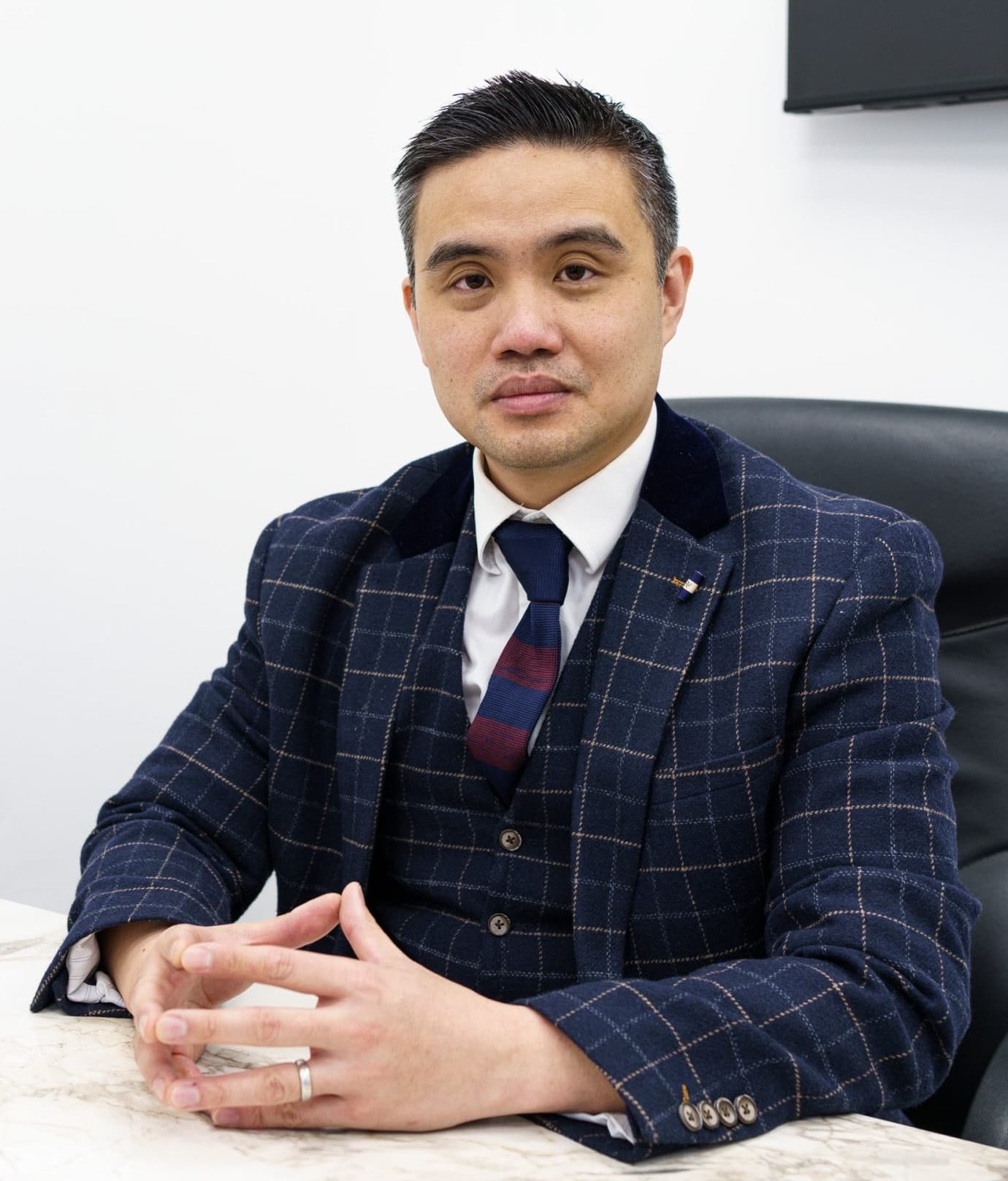 Reviewed byProf Paul Lee MBBch, FRCS (Tr & Orth), PhDLast reviewed 1 May 2026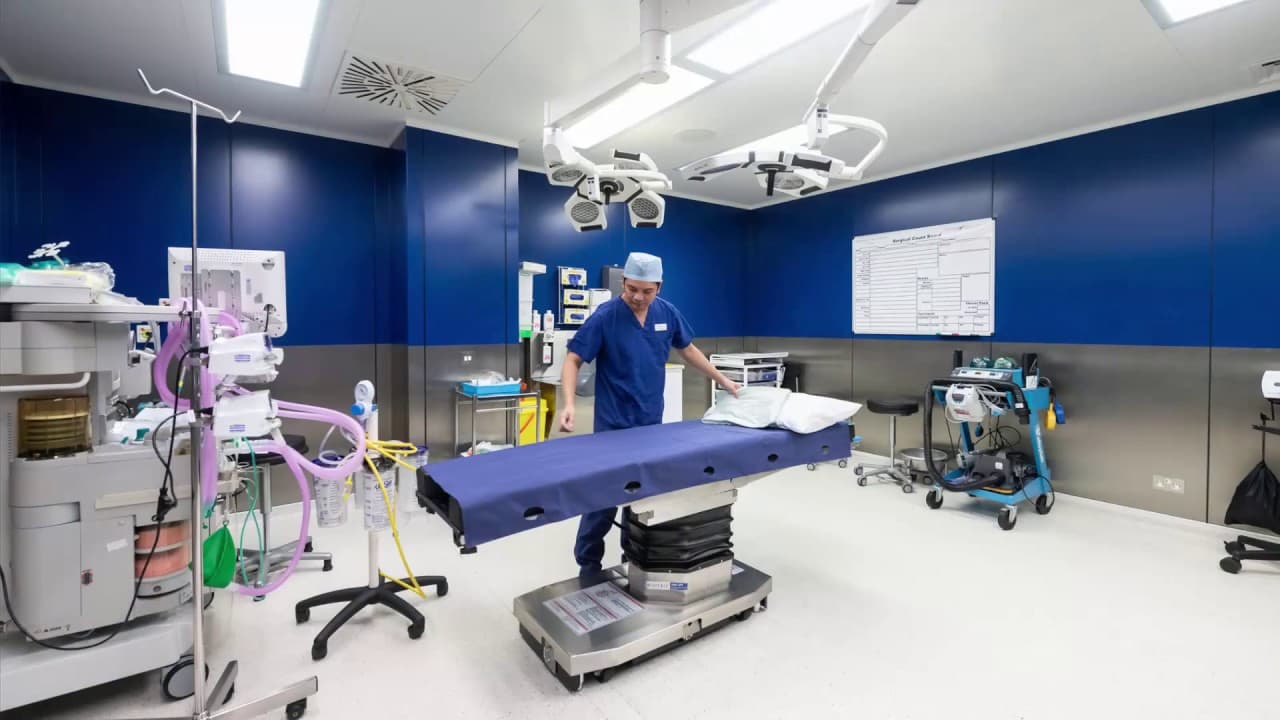
Rotator cuff tears can result from a single injury or develop gradually through repetitive overhead use and age-related wear. The decision to operate depends on tear characteristics and how much the tear limits your daily life.
Not every tear requires surgery. Many partial tears and some full-thickness tears can be managed with targeted rehabilitation, biological injections, or a combination of both. We assess each case individually before recommending an approach.
Arthroscopic repair uses two to four small incisions to access the torn tendon. Suture anchors are placed into the bone, and the tendon is secured back to its anatomical footprint. This keyhole technique reduces tissue disruption and supports earlier recovery.
Rehabilitation is as important as the surgery itself. We provide a structured post-operative programme with clear milestones so you know what to expect at every stage of recovery.

You may have more options than you think
At London Cartilage Clinic we follow a structured clinical framework across four areas of treatment. Before recommending a single procedure, we assess which combination of approaches gives you the best outcome.
Protect what you have. Slow degeneration and manage symptoms.
Fix specific damage. Torn tissue, unstable joints, structural problems.
Rebuild lost tissue. Biological treatments that stimulate new growth.
When other options are exhausted. Joint replacement as a last resort.
Explore the full range of treatments available for your joint. Each hub page shows every option we offer, organised by clinical approach.
Not all rotator cuff tears require surgery. Small partial tears may respond well to physiotherapy and injection therapy. Surgery is typically recommended when there is a significant or full-thickness tear causing persistent weakness, pain at night, or functional limitation that has not improved with conservative treatment.
The surgeon uses a small camera and instruments inserted through keyhole incisions to reattach the torn tendon to the bone using suture anchors. The arthroscopic approach avoids cutting through the deltoid muscle, which helps with recovery.
Recovery follows a structured rehabilitation programme. You will typically wear a sling for four to six weeks while the tendon heals. Gentle movement begins early, with progressive strengthening from around three months. Most patients return to full activity between six and twelve months depending on tear size and repair quality.
The majority of patients experience significant improvement in both pain and strength. Outcomes depend on tear size, tissue quality, and commitment to rehabilitation. Larger or chronic tears may take longer to recover, but most patients return to the activities they value.
Re-tear rates depend on the size and chronicity of the original tear and the patient profile. Following the structured rehabilitation protocol closely is the most important factor in protecting the repair. Your surgeon will guide return-to-activity milestones based on healing progress.
Still have more specific concerns?
Free Discovery CallLondon Cartilage Clinic
Clinical updates, cartilage treatment guidance, and recovery-focused articles from our specialist team.
A practical overview of cartilage repair, injection therapy, rehabilitation planning, and the clinical evidence that guides joint preservation care.
A practical overview of cartilage repair, injection therapy, rehabilitation planning, and the clinical evidence that guides joint preservation care.
A practical overview of cartilage repair, injection therapy, rehabilitation planning, and the clinical evidence that guides joint preservation care.