

Knee Cartilage
Demo Author One
Cartilage repair options for lasting joint health
A practical overview of cartilage repair, injection therapy, rehabilitation planning, and the clinical evidence that guides joint preservation care.
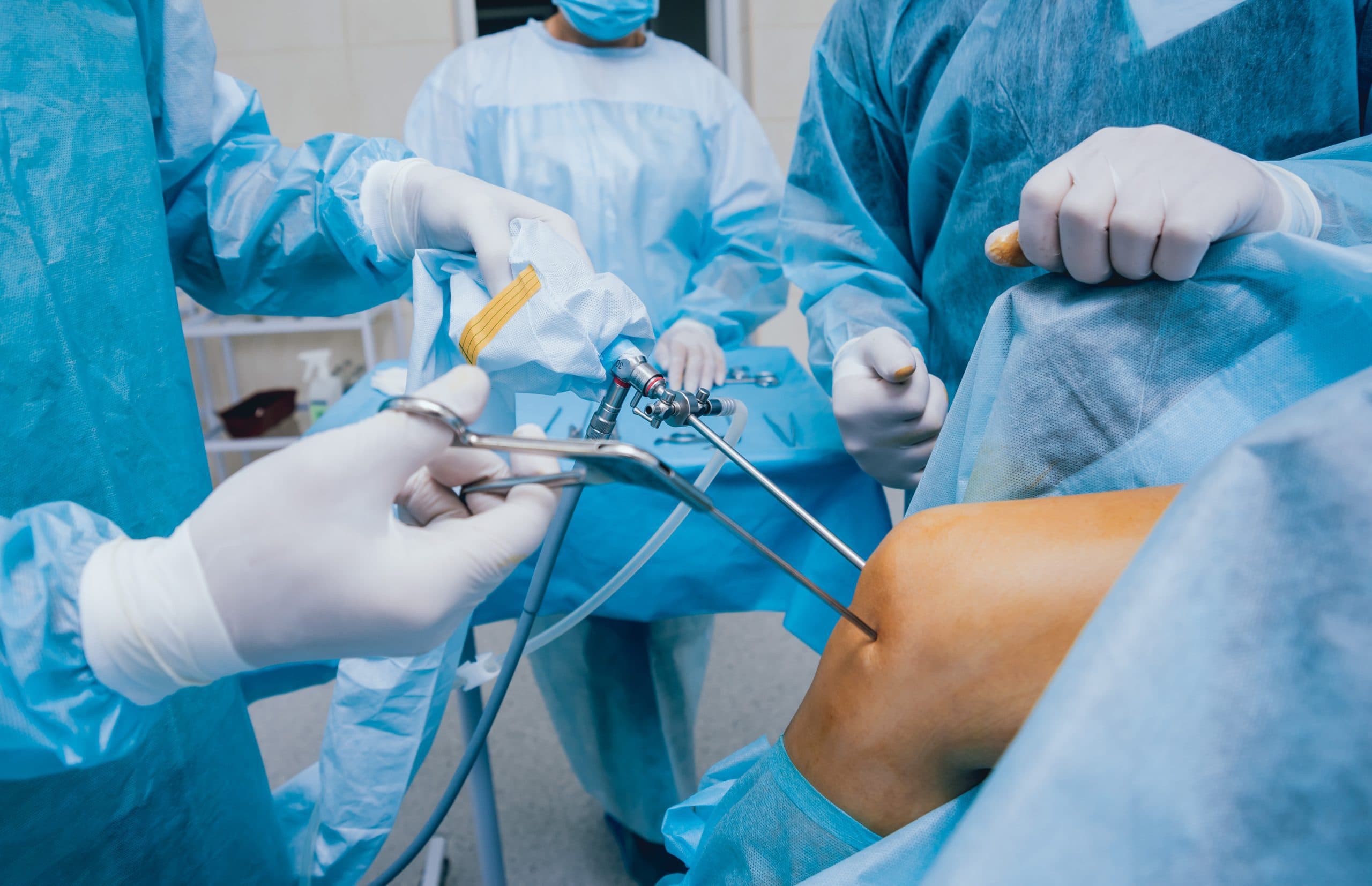
STACi (Scaffold-based Tissue-engineered Autologous Chondrocyte Implantation) is an advanced cartilage regeneration procedure that uses your own cartilage cells, grown on a three-dimensional scaffold, to rebuild large areas of damaged cartilage in any joint. Most often performed in the knee where cartilage damage is most common, STACi is also offered for the hip, shoulder, ankle and other joints. It represents the next generation of cell-based cartilage treatment and is currently only available at London Cartilage Clinic in the UK.
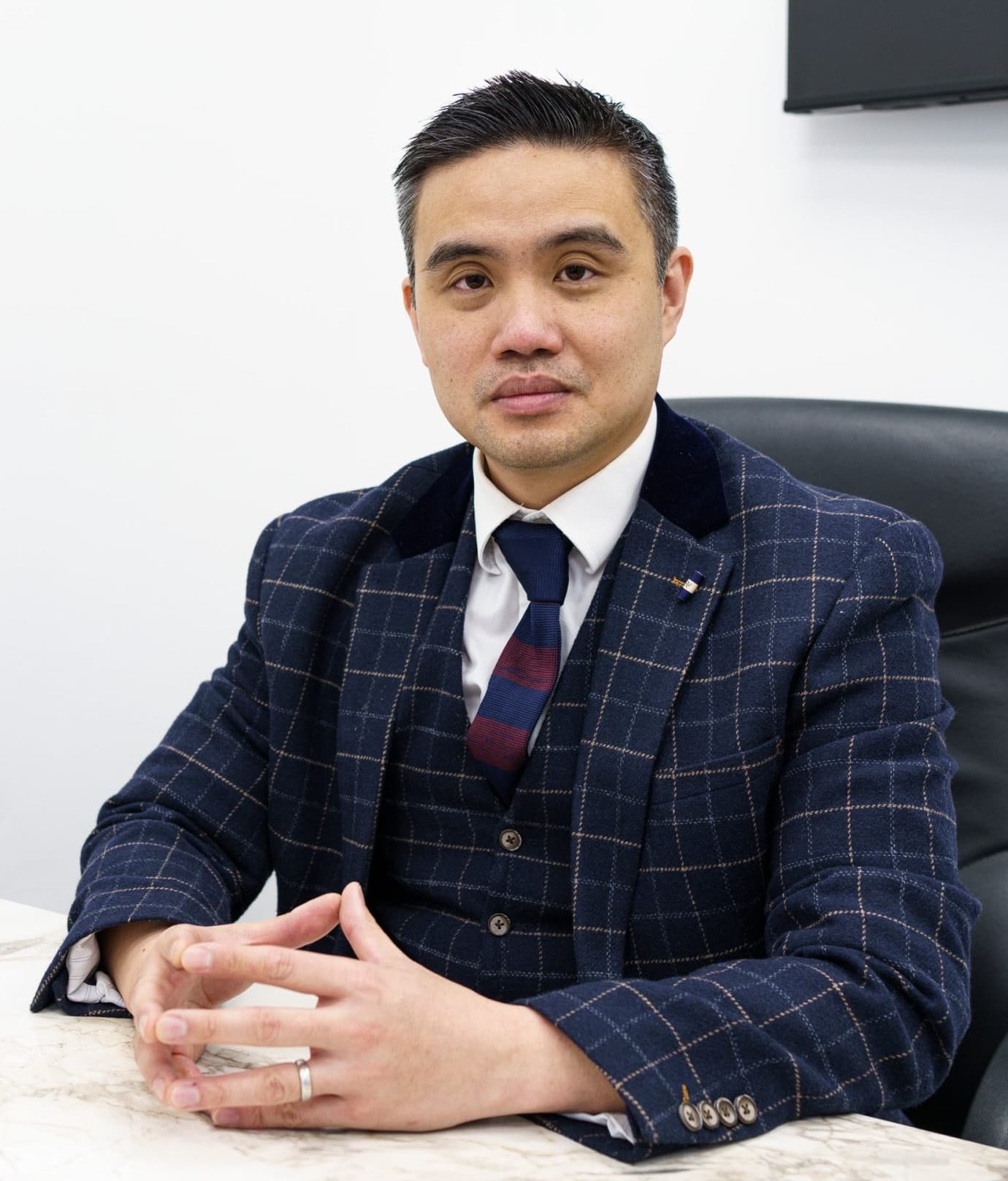 Reviewed byProf Paul Lee MBBch, FRCS (Tr & Orth), PhDLast reviewed 1 May 2026
Large cartilage defects present a clinical challenge. Microfracture (drilling tiny holes into the bone to encourage healing) works for small areas but produces a scar-tissue version of cartilage rather than the durable hyaline cartilage a joint needs. OATS is limited by the amount of donor tissue available from the same joint. Standard ACi and MACi improved on this but had limitations in defect size and tissue quality, and were primarily used in the knee.
STACi fills the gap between simpler cartilage procedures and joint replacement. For patients with significant cartilage loss in any joint who want to preserve their own tissue, it offers a biological solution where other techniques fall short.
STACi involves harvesting your own cartilage cells from the affected joint, expanding them in a specialist laboratory, seeding them onto a biocompatible scaffold, and implanting the construct into the prepared defect site. The same approach is used whether the defect is in the knee, hip, shoulder, ankle or another joint.
Rehabilitation is carefully staged to protect the regenerating tissue. The scaffold gradually remodels as your own cartilage matures, with the goal of creating a durable, functional joint surface that can withstand the demands of an active life.
Pricing
£28,000 all-inclusive at London Cartilage Clinic. Single-stage cartilage implantation, ICRS Teaching Centre of Excellence.
You may have more options than you think
At London Cartilage Clinic we follow a structured clinical framework across four areas of treatment. Before recommending a single procedure, we assess which combination of approaches gives you the best outcome.
Protect what you have. Slow degeneration and manage symptoms.
Fix specific damage. Torn tissue, unstable joints, structural problems.
Rebuild lost tissue. Biological treatments that stimulate new growth.
When other options are exhausted. Joint replacement as a last resort.
This treatment can be applied across multiple joints. Select yours to see the full range of options we offer, organised by clinical approach.
Explore All Treatment Options
STACi stands for Scaffold-based Tissue-engineered Autologous Chondrocyte Implantation. It is a next-generation evolution of the original ACi (autologous chondrocyte implantation) technique, using an advanced scaffold to support cartilage cell growth over larger defect areas.
Traditional ACi cultures cartilage cells and reimplants them under a periosteal patch (a flap of tissue taken from the shin). MACi improved on this by using a flat collagen sheet. STACi goes further by implanting the cells within a three-dimensional scaffold that provides structural support during regeneration, allowing treatment of larger and more complex defects with better tissue quality.
STACi can be used in any joint where cartilage can be damaged, including the knee, hip, shoulder, ankle, elbow and other joints. Most cases are performed in the knee because focal cartilage damage is most common there, but the same scaffold-based principle applies across joints. The right approach for your joint and defect is confirmed at consultation.
STACi is suited to patients with significant focal cartilage loss in the knee, hip, shoulder, ankle or other joints, who are too young or too active for joint replacement. It is particularly relevant for patients with defects larger than what OATS or microfracture can address, typically greater than two to four square centimetres.
STACi requires specialist surgical expertise, access to tissue engineering facilities, and a specific regulatory framework. Professor Lee and the team at London Cartilage Clinic have developed the protocols and infrastructure necessary to offer this procedure, making it the only centre in the UK where STACi is currently performed.
Recovery is staged to protect the regenerating cartilage. Weight-bearing is restricted for six to eight weeks with crutches. Range of motion exercises begin early under physiotherapy guidance. Return to low-impact activity is expected from four to six months, with higher-impact sport from nine to twelve months depending on the size and location of the defect.
STACi can be performed as a single-stage or two-stage procedure depending on the clinical situation. In the two-stage approach, cartilage cells are harvested arthroscopically, cultured over several weeks, and then reimplanted on the scaffold. In some cases, a single-stage approach using fresh cartilage tissue is possible.
Still have more specific concerns?
Free Discovery CallLondon Cartilage Clinic
Clinical updates, cartilage treatment guidance, and recovery-focused articles from our specialist team.
A practical overview of cartilage repair, injection therapy, rehabilitation planning, and the clinical evidence that guides joint preservation care.
A practical overview of cartilage repair, injection therapy, rehabilitation planning, and the clinical evidence that guides joint preservation care.
A practical overview of cartilage repair, injection therapy, rehabilitation planning, and the clinical evidence that guides joint preservation care.