

Knee Cartilage
Demo Author One
Cartilage repair options for lasting joint health
A practical overview of cartilage repair, injection therapy, rehabilitation planning, and the clinical evidence that guides joint preservation care.
Guide price only. Final cost is confirmed after assessment.
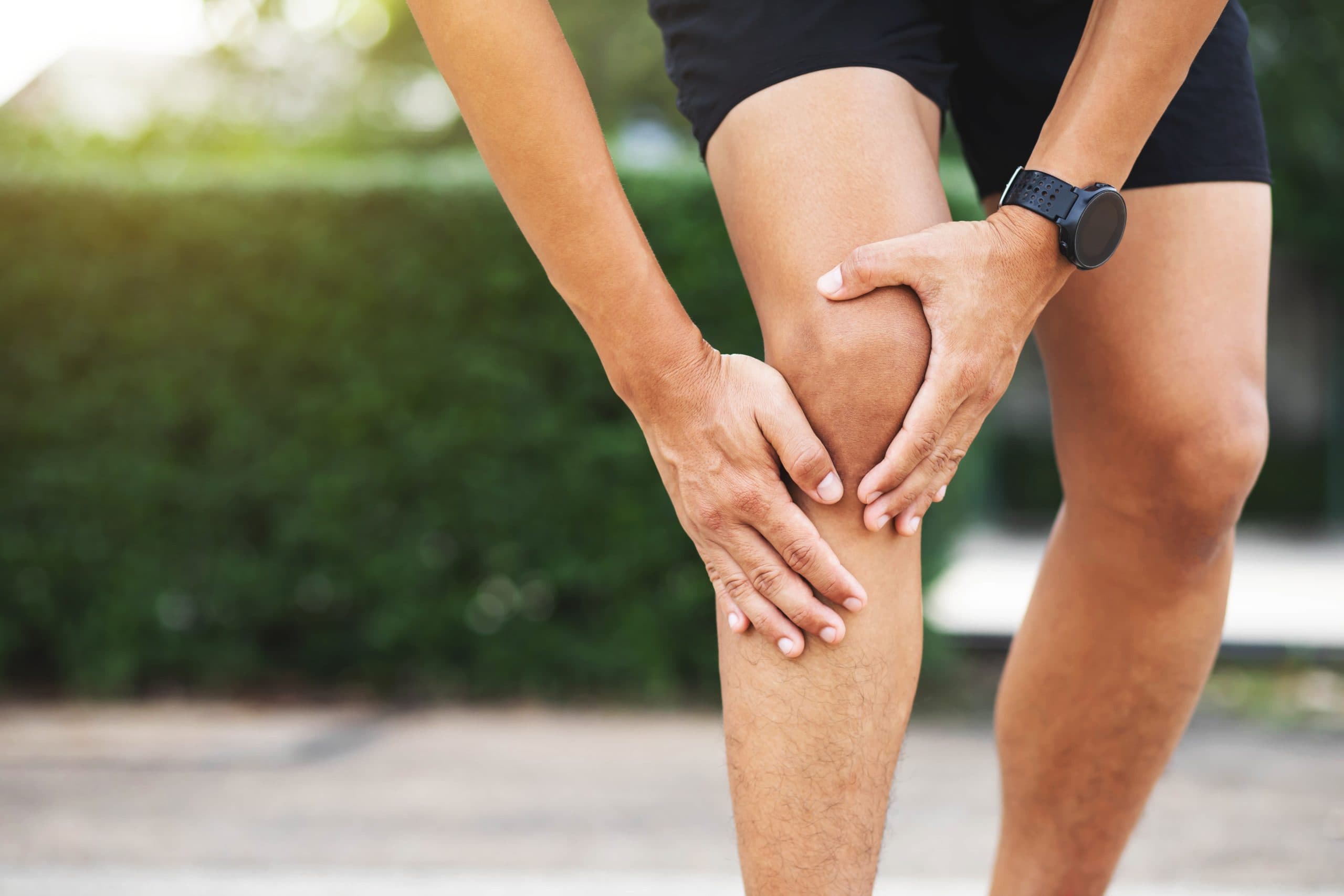
Anterior cruciate ligament (ACL) reconstruction is a surgical procedure to fix a tear in the ACL ligament in your knee. During the surgery, the torn ligament is replaced with a tissue graft of a tendon from another area of your knee. Not every individual who has an ACL injury will need ACL reconstruction surgery, but it can make a significant difference to your activity level and daily life if it is the right treatment option for you. Our specialists will be able to discuss with you whether surgery might be needed during your consultation.
 Reviewed byProf Paul Lee MBBch, FRCS (Tr & Orth), PhDLast reviewed 1 May 2026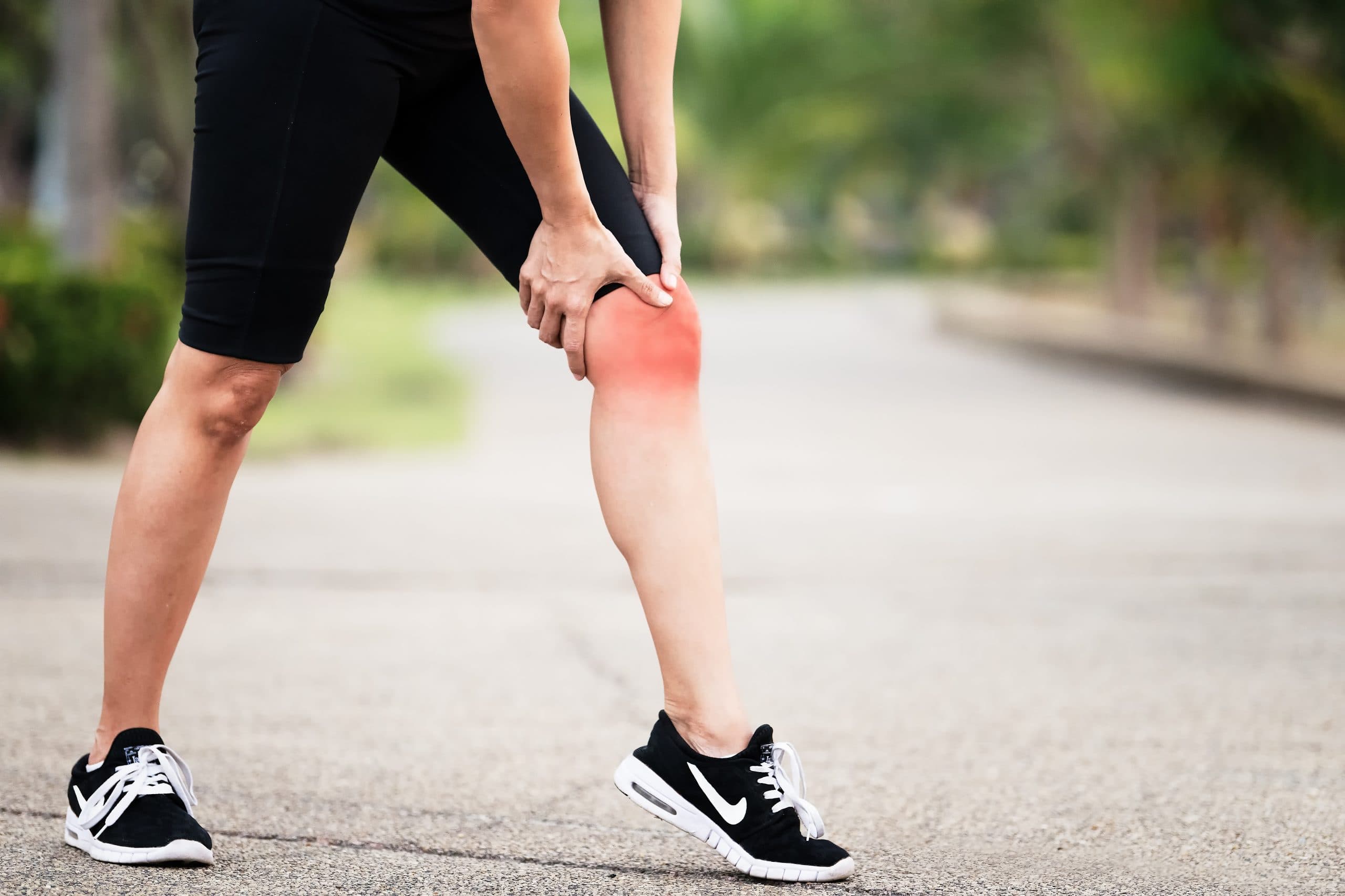
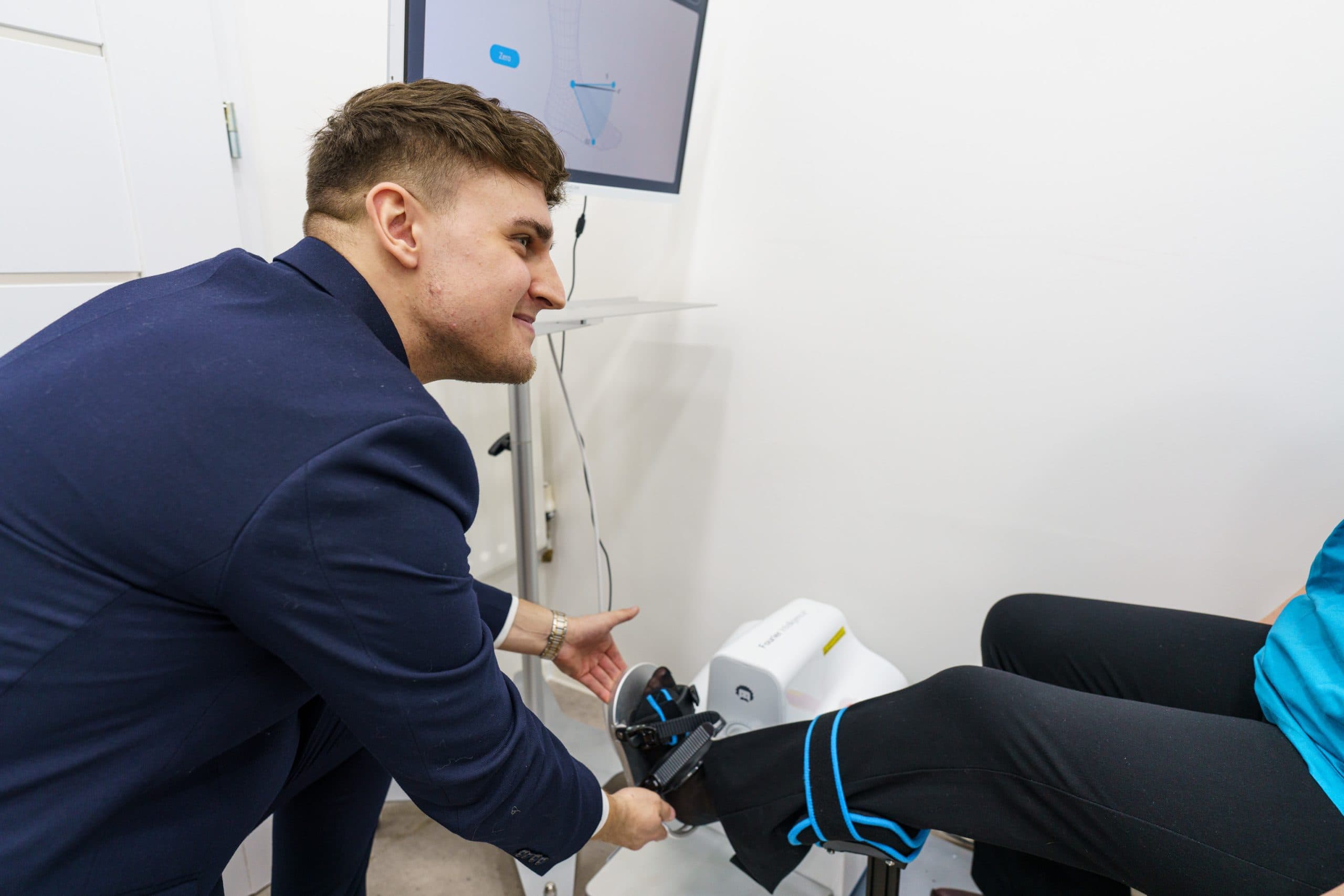
ACL reconstruction is usually performed arthroscopically through small incisions. A camera and precision instruments are used to prepare the knee and position the graft.
Typical operative time is around 1 to 3 hours, followed by a structured rehabilitation programme that is as important as the surgery itself.
The decision to reconstruct an ACL should be based on instability symptoms, activity demands, associated injuries, and long-term joint preservation goals.
From pre-op planning to late-stage rehabilitation, our team focuses on restoring stability, reducing re-injury risk, and delivering durable outcomes.
You may have more options than you think
At London Cartilage Clinic we follow a structured clinical framework across four areas of treatment. Before recommending a single procedure, we assess which combination of approaches gives you the best outcome.
Protect what you have. Slow degeneration and manage symptoms.
Fix specific damage. Torn tissue, unstable joints, structural problems.
Rebuild lost tissue. Biological treatments that stimulate new growth.
When other options are exhausted. Joint replacement as a last resort.
Explore the full range of treatments available for your joint. Each hub page shows every option we offer, organised by clinical approach.
Full ACL reconstruction recovery can take around six months to a year with exact times varying from patient to patient. During your recovery you should see a physiotherapist who will provide a tailored rehabilitation programme featuring exercises that allows you to gain full strength and range of motion in the knee. Before returning to sport as normal, the physiotherapist will want to check that you are both mentally and physically ready.
ACL injuries are some of the most common types of knee injury and often occur doing sports like tennis, squash, skiing, football, and rugby. The ACL can tear if your lower leg is extended too far forward or if your knee/lower leg is twisted. This can be done by landing from a jump incorrectly, stopping or changing direction suddenly, or colliding with another person (like a football tackle).
If your ACL is torn, the knee can lose its full range of movement and will likely become quite unstable. As a result, it can be difficult to complete certain movements like doing a turn on the spot. It might not sound that serious, but a tear in the ACL for some individuals can mean they can no longer play their sport until the issue is resolved with ACL reconstruction.
Still have more specific concerns?
Free Discovery CallLondon Cartilage Clinic
Clinical updates, cartilage treatment guidance, and recovery-focused articles from our specialist team.
A practical overview of cartilage repair, injection therapy, rehabilitation planning, and the clinical evidence that guides joint preservation care.
A practical overview of cartilage repair, injection therapy, rehabilitation planning, and the clinical evidence that guides joint preservation care.
A practical overview of cartilage repair, injection therapy, rehabilitation planning, and the clinical evidence that guides joint preservation care.