

Knee Cartilage
Demo Author One
Cartilage repair options for lasting joint health
A practical overview of cartilage repair, injection therapy, rehabilitation planning, and the clinical evidence that guides joint preservation care.
Guide price only. Final cost is confirmed after assessment.
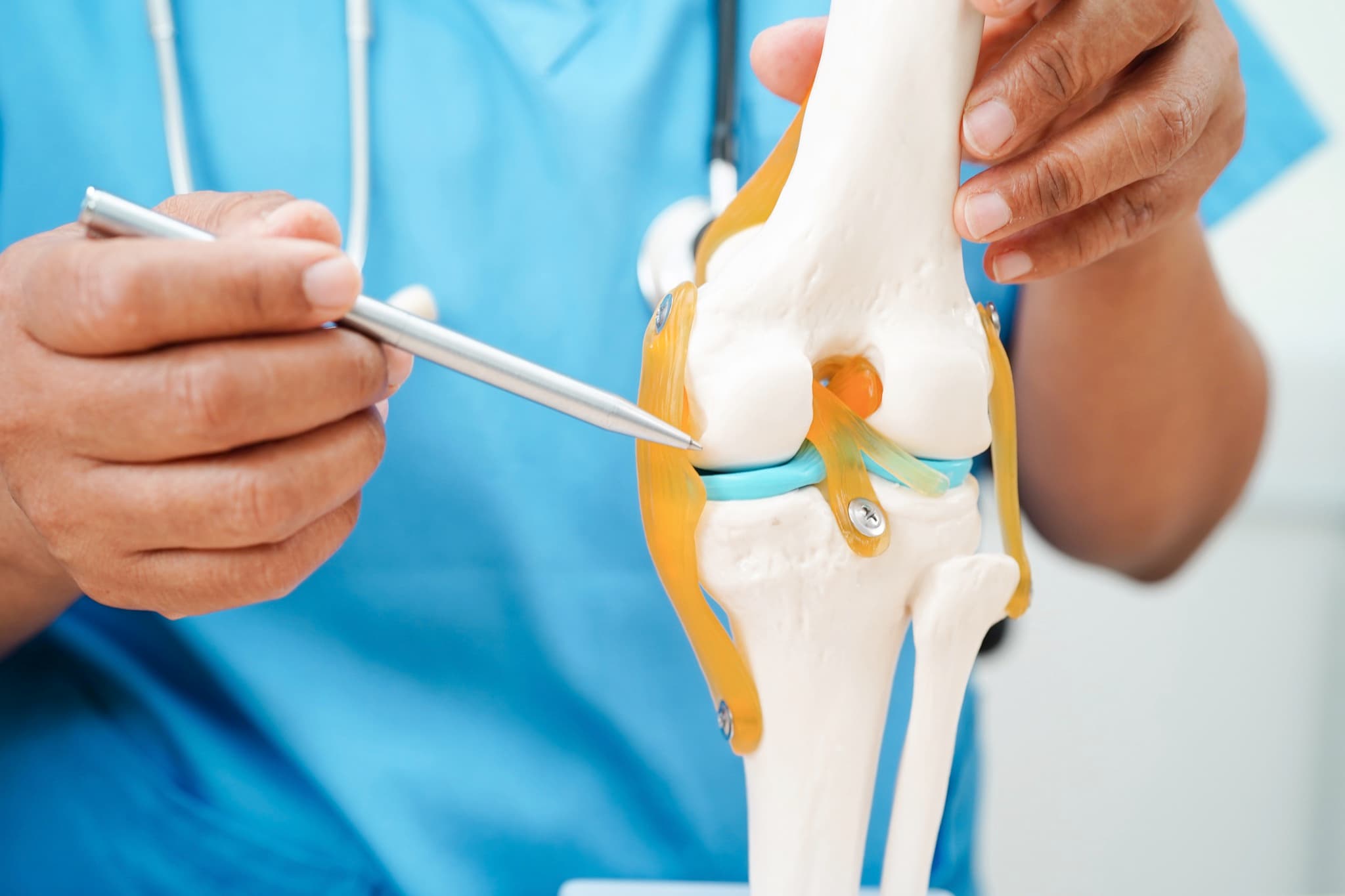
Knee replacement surgery resurfaces the worn joint surfaces with precision-engineered implants to restore movement and relieve pain. At London Cartilage Clinic, we offer both total and partial knee replacement, selected based on the pattern and extent of your arthritis. Every patient receives a thorough assessment of joint-preserving alternatives before replacement is recommended, because we believe surgery should be the right choice, not the only option offered.
 Reviewed byProf Paul Lee MBBch, FRCS (Tr & Orth), PhDLast reviewed 1 May 2026
The choice between total and partial knee replacement depends on where the arthritis is, how much healthy tissue remains, and your functional goals.
Patient-specific imaging and templating allow us to plan implant size, positioning, and alignment before you reach the operating theatre. This precision supports better function and longer implant survival.
Knee replacement recovery follows a structured pathway. Physiotherapy begins on the day of surgery and continues for several months to rebuild strength, flexibility, and confidence in the joint.
Our post-operative programme focuses on functional milestones rather than arbitrary timelines. The pace is guided by your progress, not by a calendar.
Pricing
From £18,500 at London Cartilage Clinic. Total knee replacement at £18,500 (TWIS-TKR), partial at £23,000. All-inclusive of theatre, the consultant anaesthetist and follow-up.
You may have more options than you think
At London Cartilage Clinic we follow a structured clinical framework across four areas of treatment. Before recommending a single procedure, we assess which combination of approaches gives you the best outcome.
Protect what you have. Slow degeneration and manage symptoms.
Fix specific damage. Torn tissue, unstable joints, structural problems.
Rebuild lost tissue. Biological treatments that stimulate new growth.
When other options are exhausted. Joint replacement as a last resort.
Explore the full range of treatments available for your joint. Each hub page shows every option we offer, organised by clinical approach.

Total knee replacement resurfaces all three compartments of the knee joint. Partial (unicompartmental) replacement resurfaces only the damaged compartment, preserving healthy bone, cartilage, and ligaments. Partial replacement is suited to patients where arthritis is confined to one area of the knee and the ligaments remain intact.
Modern implants are designed to last 15 to 25 years or longer. Longevity depends on implant type, surgical technique, patient activity level, and body weight. At London Cartilage Clinic, patient-specific planning is used to optimise implant positioning and maximise lifespan.
Most patients are walking with support on the day of surgery and leave hospital within one to three days. Driving typically resumes at around six weeks. Full recovery with a return to recreational activities takes three to six months, though improvement continues for up to a year.
Knee replacement is a highly effective procedure, but it is irreversible. Many patients have biological and joint-preserving options that can delay or avoid the need for replacement entirely. Our approach is to exhaust these alternatives first and recommend replacement only when it offers a clear advantage over continued conservative management.
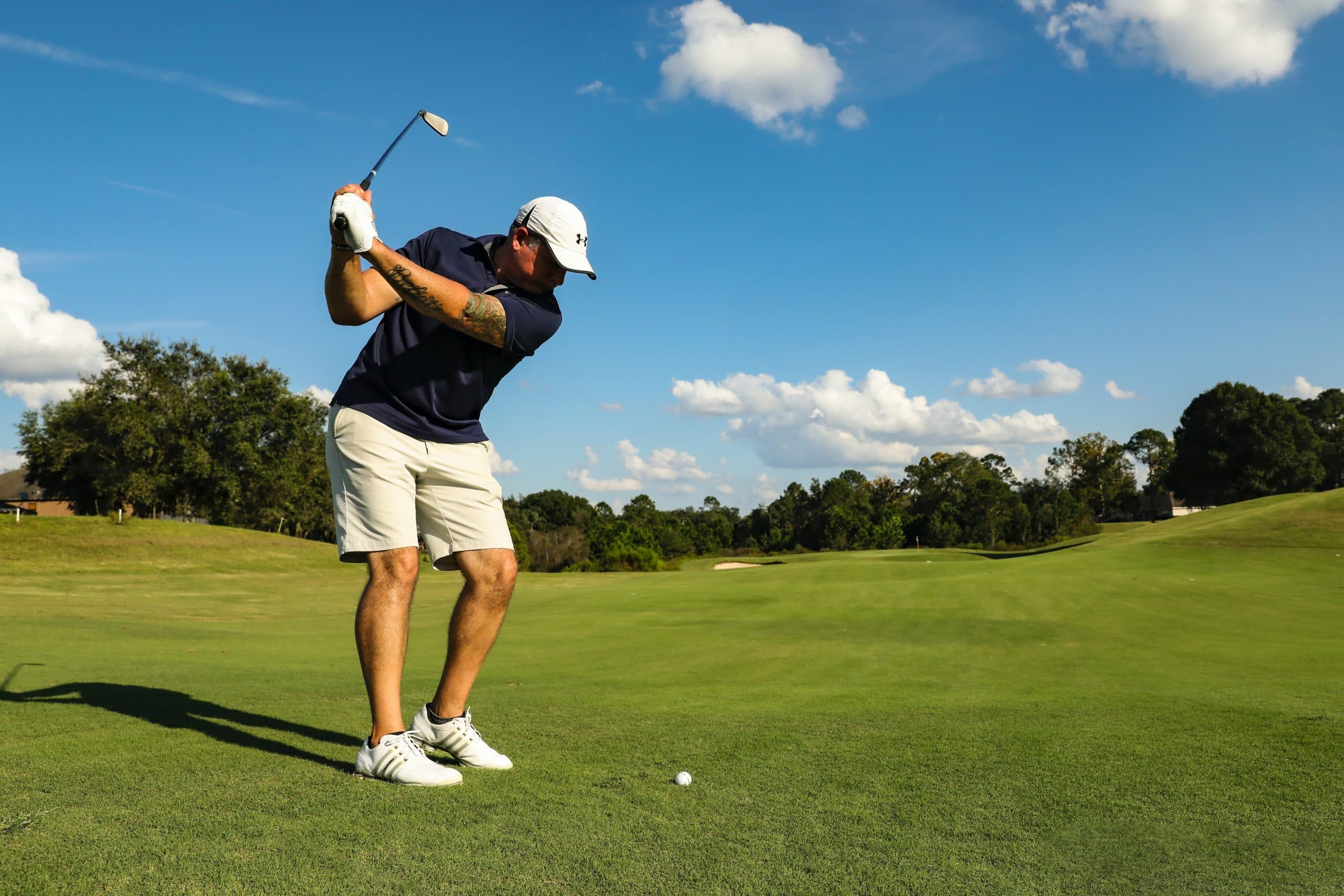
Most patients return to walking, cycling, swimming, golf, and gentle hiking. High-impact activities such as running and jumping place greater stress on the implant and are generally discouraged. Your surgeon will discuss activity goals as part of your pre-operative planning.
Still have more specific concerns?
Free Discovery CallLondon Cartilage Clinic
Clinical updates, cartilage treatment guidance, and recovery-focused articles from our specialist team.
A practical overview of cartilage repair, injection therapy, rehabilitation planning, and the clinical evidence that guides joint preservation care.
A practical overview of cartilage repair, injection therapy, rehabilitation planning, and the clinical evidence that guides joint preservation care.
A practical overview of cartilage repair, injection therapy, rehabilitation planning, and the clinical evidence that guides joint preservation care.