

Knee Cartilage
Demo Author One
Cartilage repair options for lasting joint health
A practical overview of cartilage repair, injection therapy, rehabilitation planning, and the clinical evidence that guides joint preservation care.
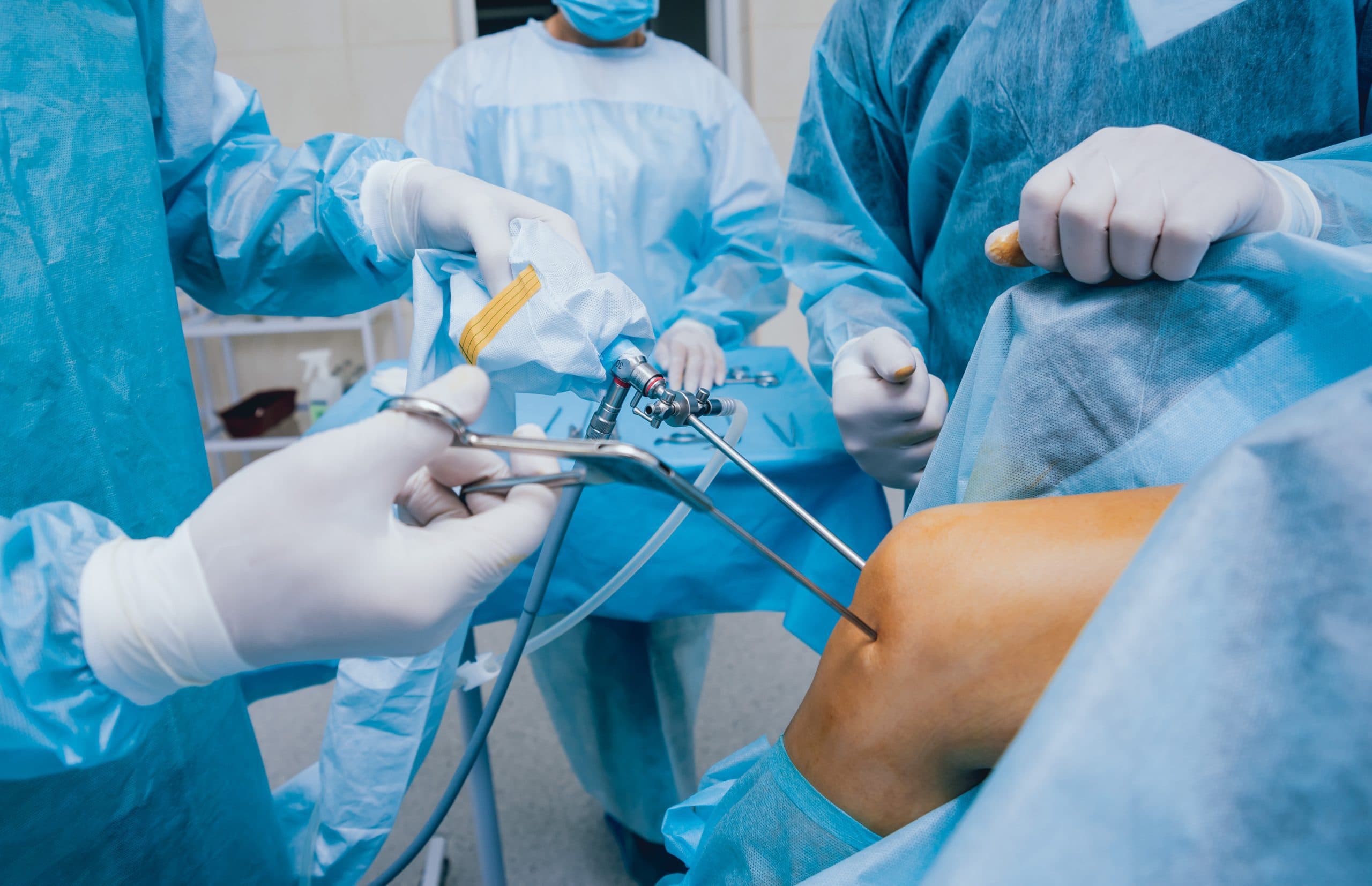
OATS (Osteochondral Autograft Transfer System) is a cartilage transplantation technique that uses your own tissue to repair focal cartilage defects. Cylindrical plugs of healthy cartilage and bone are harvested from a non-weight-bearing area of the knee and press-fitted into the prepared defect site. Because the tissue is your own, there is no risk of rejection and no dependence on donor availability. OATS is used in both knee and ankle cartilage surgery at London Cartilage Clinic.
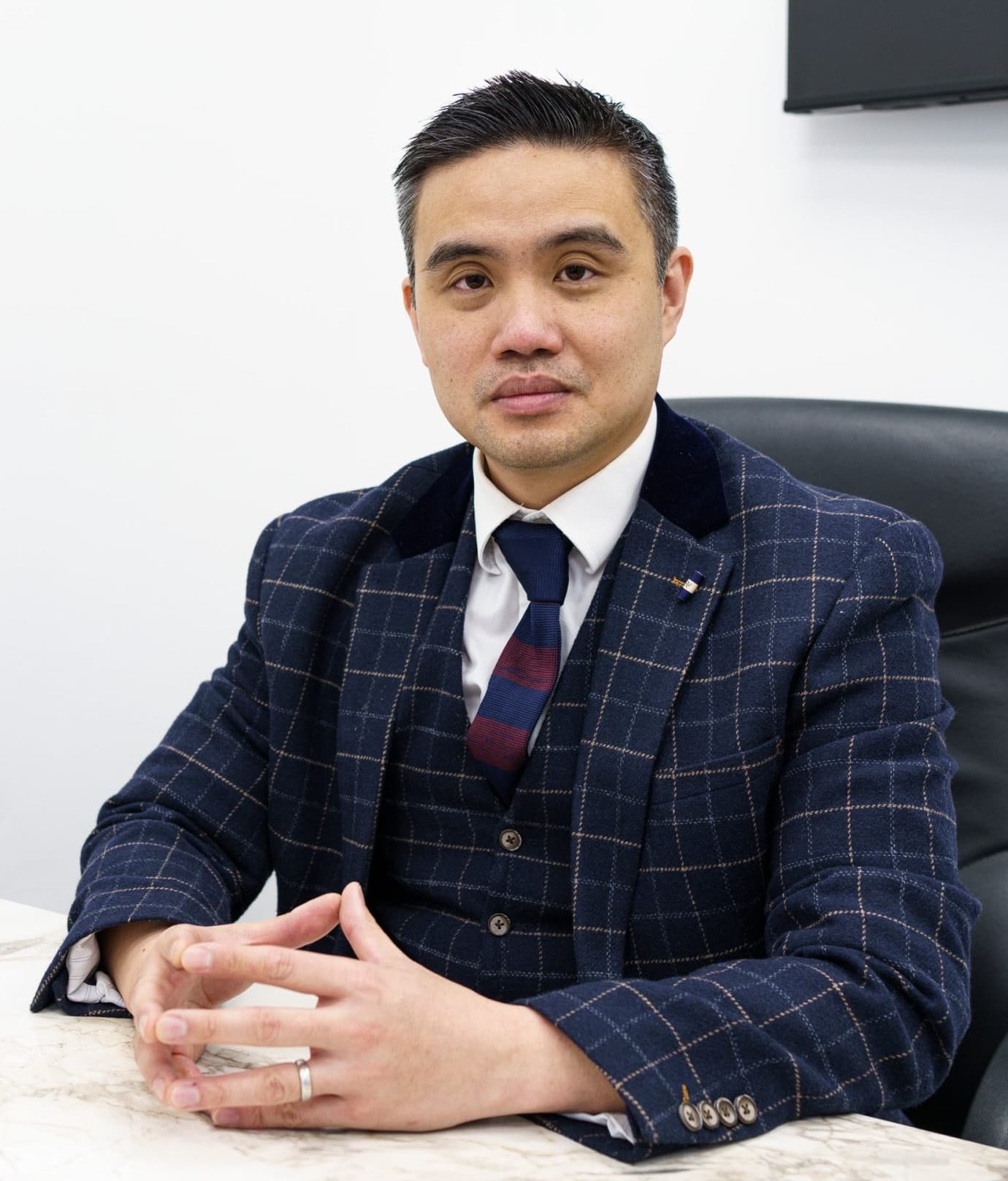 Reviewed byProf Paul Lee MBBch, FRCS (Tr & Orth), PhDLast reviewed 1 May 2026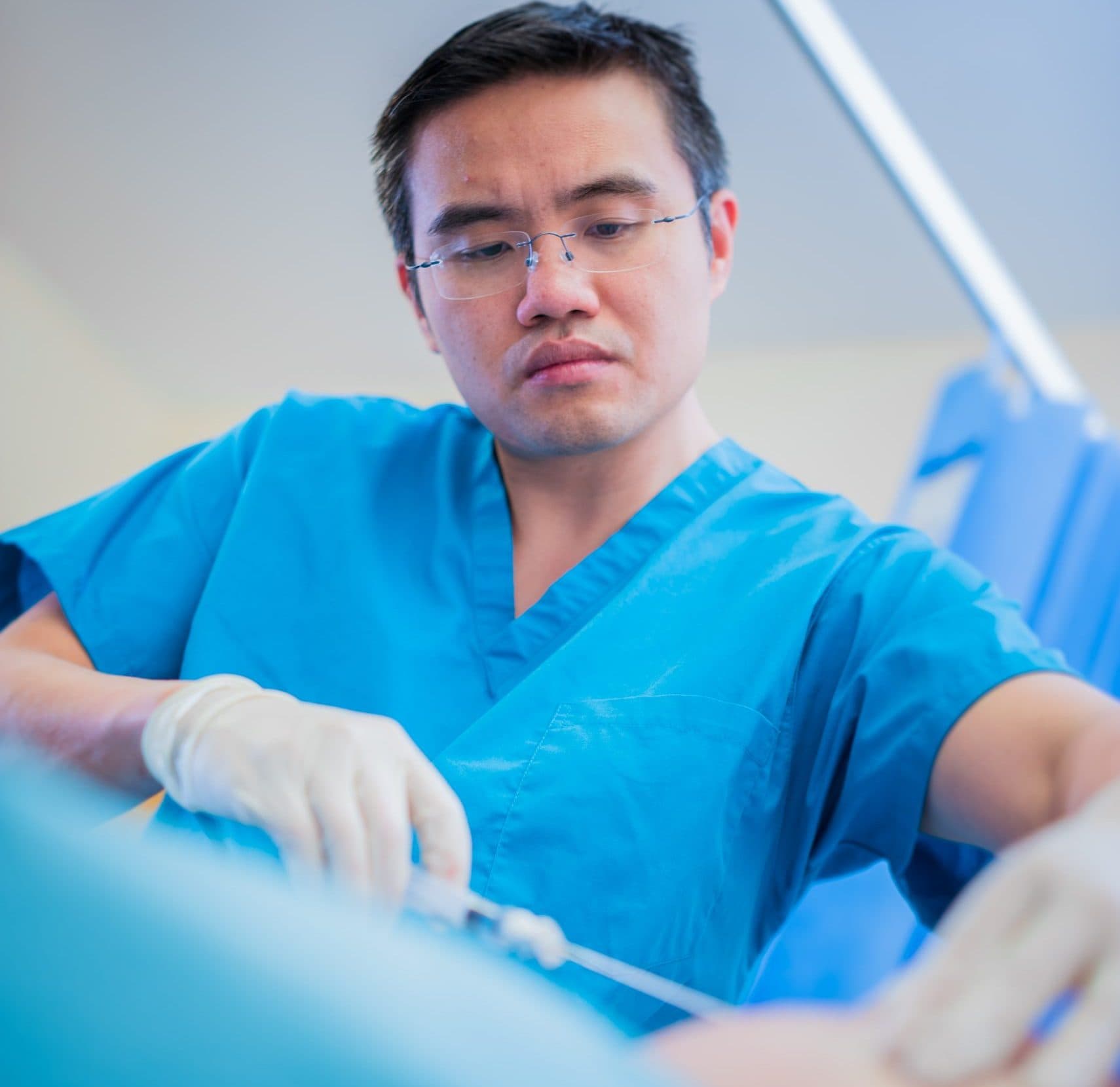
The surgeon uses a specialised coring instrument to harvest one or more cylindrical plugs from a non-weight-bearing region. A matching hole is prepared at the defect site, and the plug is press-fitted to restore the joint surface.
OATS restores hyaline cartilage rather than fibrocartilage, which is significant because hyaline cartilage is the natural, durable surface that lines healthy joints.
OATS is most commonly performed in the knee but is also effective for talar osteochondral defects in the ankle. The principles are the same: replace the damaged cartilage with your own living tissue to restore a functional joint surface.
At London Cartilage Clinic, OATS is part of a broader cartilage treatment pathway. We assess each defect individually to determine whether OATS, OCA, or another technique offers the best outcome for your situation.
Pricing
£14,000 all-inclusive at London Cartilage Clinic. Single-stage autograft from your own knee, no donor tissue surcharge.
You may have more options than you think
At London Cartilage Clinic we follow a structured clinical framework across four areas of treatment. Before recommending a single procedure, we assess which combination of approaches gives you the best outcome.
Protect what you have. Slow degeneration and manage symptoms.
Fix specific damage. Torn tissue, unstable joints, structural problems.
Rebuild lost tissue. Biological treatments that stimulate new growth.
When other options are exhausted. Joint replacement as a last resort.
Explore the full range of treatments available for your joint. Each hub page shows every option we offer, organised by clinical approach.

OATS stands for Osteochondral Autograft Transfer System. It involves harvesting one or more cylindrical plugs of cartilage and bone from a non-weight-bearing area of your own knee and transplanting them into the site of the cartilage defect.
OATS is best suited to small and medium focal cartilage defects, typically up to around two square centimetres. For larger defects, multiple plugs can be used in a technique called mosaicplasty, though very large areas may be better served by an allograft (OCA) procedure.
Autologous tissue eliminates any risk of immune rejection or disease transmission. The transplanted plug contains your own living cartilage cells on a bone scaffold, which integrates naturally with the surrounding tissue. There is no reliance on donor tissue availability.
The plugs are harvested from a non-weight-bearing area of the knee, typically the edge of the femoral condyle or the intercondylar notch. Most patients have no long-term symptoms from the donor site, though temporary stiffness or mild discomfort can occur during early recovery.
Weight-bearing is restricted for four to six weeks while the plugs integrate. Range of motion exercises begin early. Return to low-impact activity is expected from three to four months, with higher-impact sport from six to nine months depending on progress.
Still have more specific concerns?
Free Discovery CallLondon Cartilage Clinic
Clinical updates, cartilage treatment guidance, and recovery-focused articles from our specialist team.
A practical overview of cartilage repair, injection therapy, rehabilitation planning, and the clinical evidence that guides joint preservation care.
A practical overview of cartilage repair, injection therapy, rehabilitation planning, and the clinical evidence that guides joint preservation care.
A practical overview of cartilage repair, injection therapy, rehabilitation planning, and the clinical evidence that guides joint preservation care.