

Knee Cartilage
Demo Author One
Cartilage repair options for lasting joint health
A practical overview of cartilage repair, injection therapy, rehabilitation planning, and the clinical evidence that guides joint preservation care.
Guide price only. Final cost is confirmed after assessment.
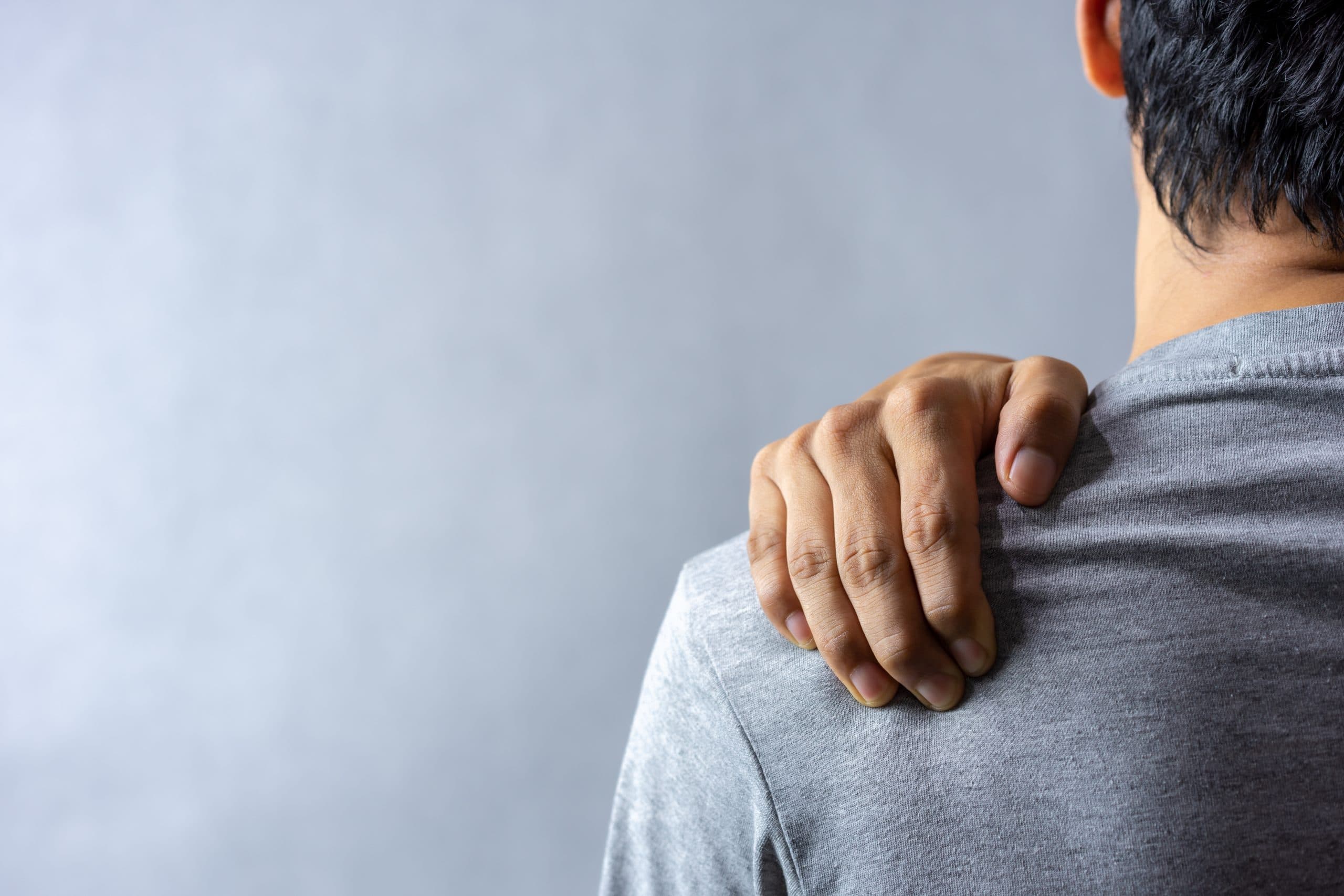
The shoulder labrum is a ring of cartilage that lines the socket and keeps the joint stable. Tears to the labrum, whether from a dislocation, repetitive overhead activity, or trauma, can cause pain, clicking, and a feeling that the shoulder may give way. Arthroscopic labrum repair uses suture anchors placed through keyhole incisions to reattach the torn tissue and restore stability. At London Cartilage Clinic, our specialists assess the tear pattern and your activity goals to plan the most effective repair.
 Reviewed byProf Paul Lee MBBch, FRCS (Tr & Orth), PhDLast reviewed 1 May 2026
Labral tears vary in location, size, and impact on the joint. The surgical approach is tailored to the specific tear pattern and any associated ligament damage.
Accurate diagnosis with MRI arthrogram and clinical examination is essential. Many labral tears are only fully characterised at the time of arthroscopy, which is why specialist assessment matters.
Arthroscopic labrum repair is performed through small incisions using a camera and specialised instruments. The torn labrum is reattached to the bone rim of the socket using bioabsorbable suture anchors.
Our rehabilitation programme is designed around your goals. Whether you need to return to competitive sport or simply reach overhead without apprehension, the milestones are set accordingly.
You may have more options than you think
At London Cartilage Clinic we follow a structured clinical framework across four areas of treatment. Before recommending a single procedure, we assess which combination of approaches gives you the best outcome.
Protect what you have. Slow degeneration and manage symptoms.
Fix specific damage. Torn tissue, unstable joints, structural problems.
Rebuild lost tissue. Biological treatments that stimulate new growth.
When other options are exhausted. Joint replacement as a last resort.
Explore the full range of treatments available for your joint. Each hub page shows every option we offer, organised by clinical approach.
The labrum is a ring of fibrous cartilage that surrounds the shoulder socket (glenoid). It deepens the socket, helps hold the ball of the humerus in place, and serves as an attachment point for ligaments and the biceps tendon. When torn, the shoulder can become unstable, painful, or both.
The most common types are Bankart tears (lower front of the labrum, typically from dislocations), SLAP tears (superior labrum where the biceps attaches), and posterior labral tears. Each has different causes, symptoms, and surgical considerations.
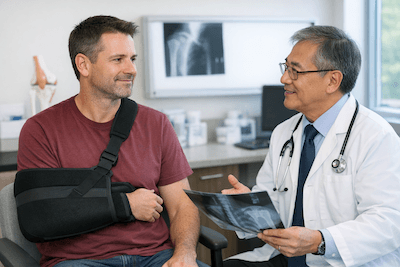
Recovery typically involves a sling for three to six weeks, followed by progressive range of motion and strengthening. Most patients return to non-contact sport between four and six months. Contact or overhead sport may take six to nine months depending on the type of repair and your progress.
Some labral tears, particularly small degenerative tears, may be managed with physiotherapy and injection therapy. However, tears causing recurrent instability or significant mechanical symptoms usually benefit from surgical repair to prevent further damage to the joint.
Labrum repair has a high success rate for restoring shoulder stability, particularly in Bankart repairs following dislocation. Commitment to the rehabilitation programme is important for building the muscular control that supports the surgical repair long-term.
Still have more specific concerns?
Free Discovery CallLondon Cartilage Clinic
Clinical updates, cartilage treatment guidance, and recovery-focused articles from our specialist team.
A practical overview of cartilage repair, injection therapy, rehabilitation planning, and the clinical evidence that guides joint preservation care.
A practical overview of cartilage repair, injection therapy, rehabilitation planning, and the clinical evidence that guides joint preservation care.
A practical overview of cartilage repair, injection therapy, rehabilitation planning, and the clinical evidence that guides joint preservation care.