

Knee Cartilage
Demo Author One
Cartilage repair options for lasting joint health
A practical overview of cartilage repair, injection therapy, rehabilitation planning, and the clinical evidence that guides joint preservation care.
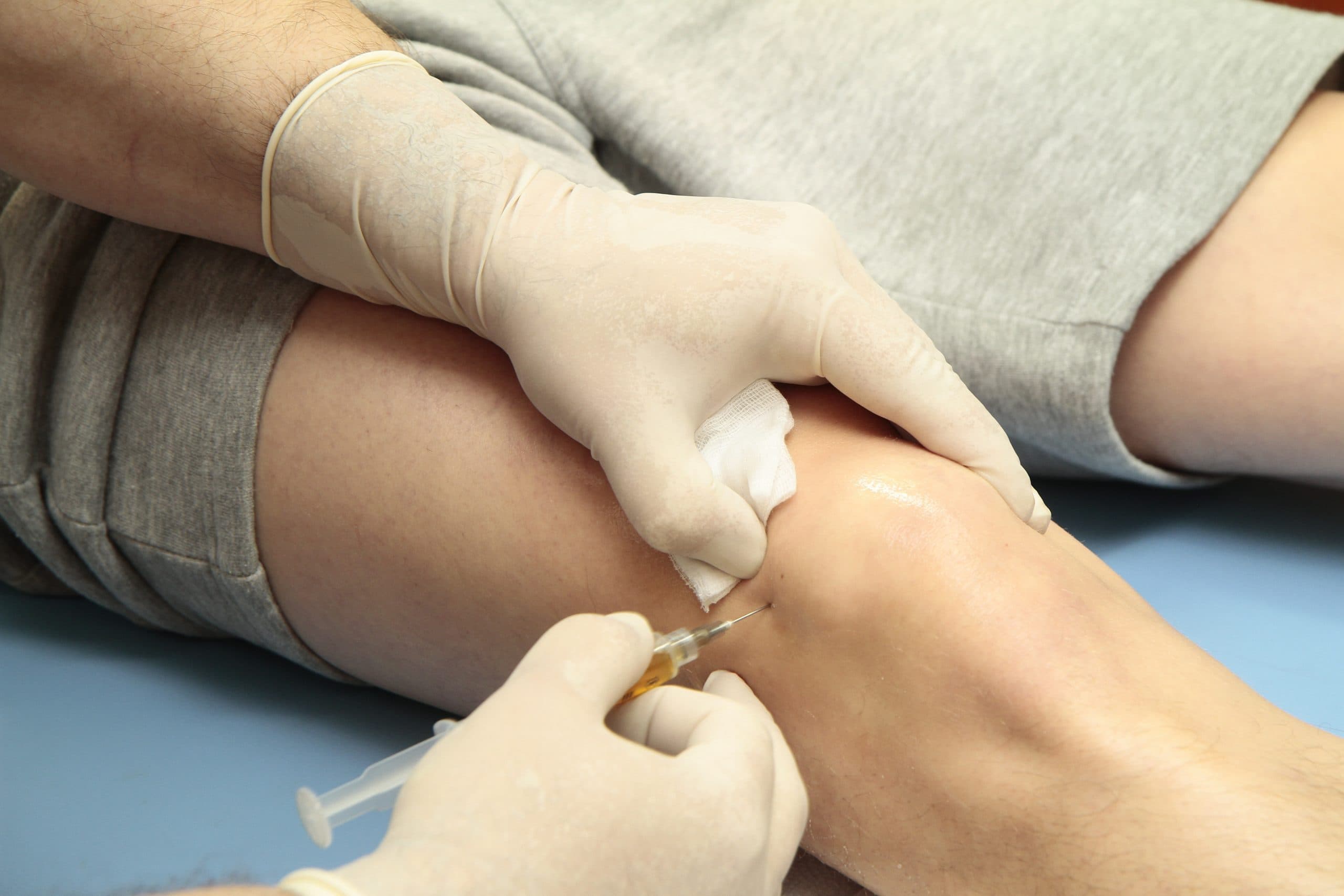
A plica is a fold of tissue inside the joint that can become inflamed, thickened, or mechanically irritating. When a symptomatic plica causes persistent pain, clicking, or catching that has not responded to conservative treatment, arthroscopic excision offers a targeted, minimally invasive solution. At London Cartilage Clinic, plica surgery is performed as a day-case keyhole procedure with rapid recovery.
 Reviewed byProf Paul Lee MBBch, FRCS (Tr & Orth), PhDLast reviewed 1 May 2026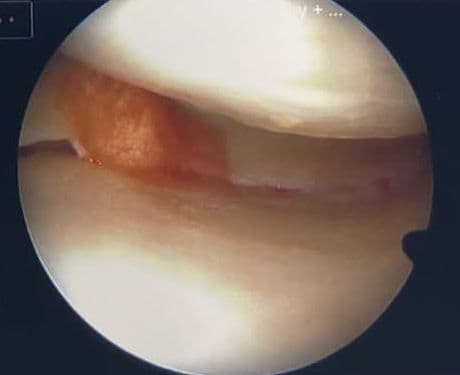
Plicae are a normal part of joint anatomy in most people. They only become clinically significant when they thicken, scar, or become caught between the moving surfaces of the joint during bending and straightening.
Accurate diagnosis is the most important step. Many patients with plica syndrome have been told their pain is from other causes. Specialist assessment can identify the plica as the source and guide appropriate treatment.
When conservative treatment has not resolved symptoms, arthroscopic plica excision removes the offending tissue through a minimally invasive approach.
At the time of arthroscopy, the surgeon also assesses the rest of the joint to check for any associated cartilage or meniscal damage that may need attention.
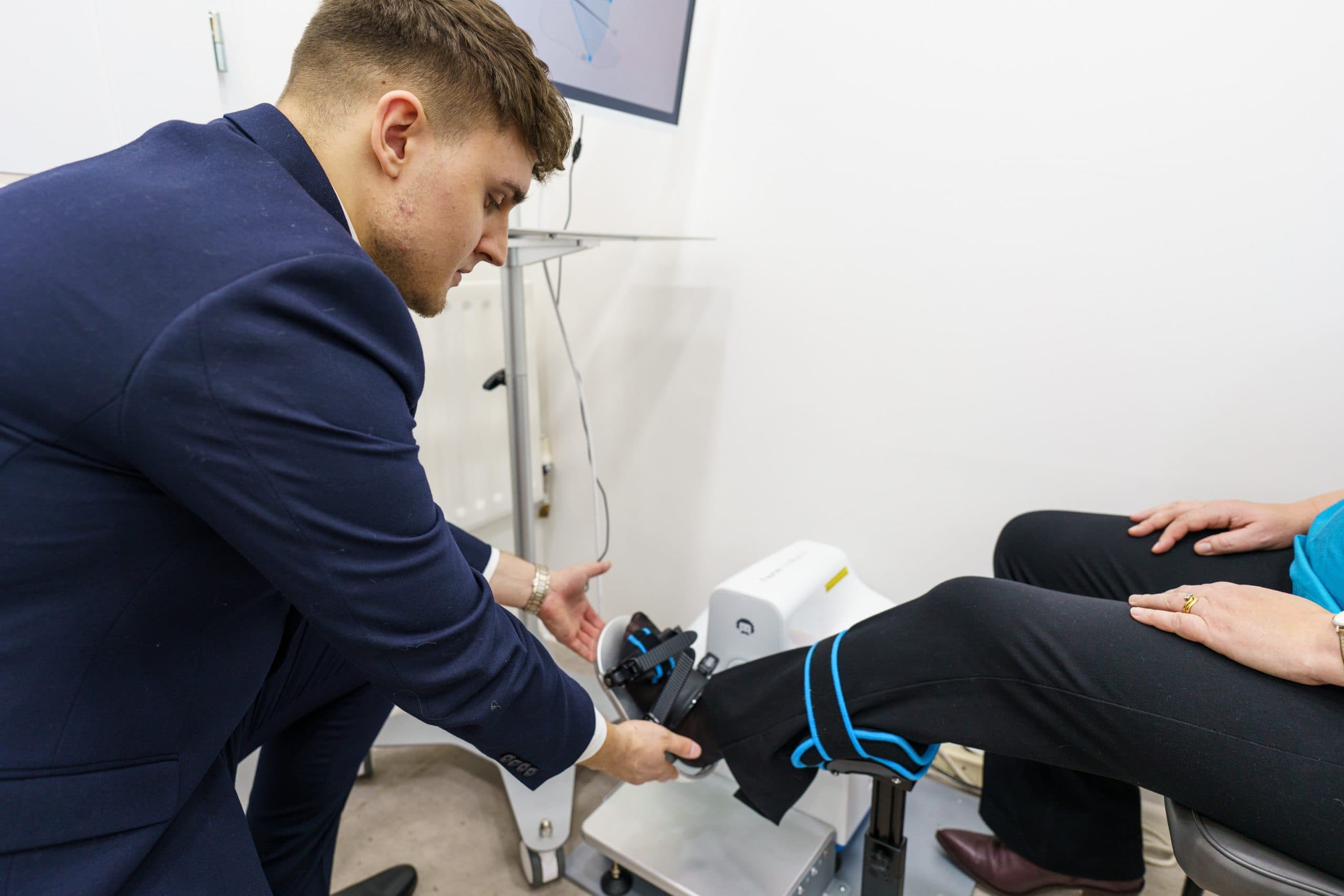
You may have more options than you think
At London Cartilage Clinic we follow a structured clinical framework across four areas of treatment. Before recommending a single procedure, we assess which combination of approaches gives you the best outcome.
Protect what you have. Slow degeneration and manage symptoms.
Fix specific damage. Torn tissue, unstable joints, structural problems.
Rebuild lost tissue. Biological treatments that stimulate new growth.
When other options are exhausted. Joint replacement as a last resort.
Explore the full range of treatments available for your joint. Each hub page shows every option we offer, organised by clinical approach.

A plica is a fold of synovial tissue inside the joint, a remnant from embryological development. Most people have plicae that cause no symptoms at all. In some cases, however, a plica can become thickened, inflamed, or trapped between the joint surfaces, producing pain, clicking, and catching.
Diagnosis is based on clinical examination, symptom pattern, and ruling out other causes of anterior knee or elbow pain. MRI can sometimes show a thickened plica, but many are only confirmed during arthroscopy. A specialist who understands plica presentations is important for avoiding misdiagnosis.
No. Many cases respond to physiotherapy, activity modification, and anti-inflammatory treatment. Surgery is considered when symptoms persist despite conservative management, particularly if the plica is causing mechanical catching or is damaging the underlying cartilage surface.
Arthroscopic plica excision is a keyhole procedure. The thickened or inflamed plica is identified and removed or debrided using small instruments inserted through two to three tiny incisions. The procedure is typically performed as a day case under general or regional anaesthetic.
Recovery after plica excision is usually rapid. Most patients can weight-bear immediately and return to normal activities within two to four weeks. Physiotherapy may be recommended to address any muscle weakness or movement patterns that developed while the plica was symptomatic.
Still have more specific concerns?
Free Discovery CallLondon Cartilage Clinic
Clinical updates, cartilage treatment guidance, and recovery-focused articles from our specialist team.
A practical overview of cartilage repair, injection therapy, rehabilitation planning, and the clinical evidence that guides joint preservation care.
A practical overview of cartilage repair, injection therapy, rehabilitation planning, and the clinical evidence that guides joint preservation care.
A practical overview of cartilage repair, injection therapy, rehabilitation planning, and the clinical evidence that guides joint preservation care.