

Knee Cartilage
Demo Author One
Cartilage repair options for lasting joint health
A practical overview of cartilage repair, injection therapy, rehabilitation planning, and the clinical evidence that guides joint preservation care.
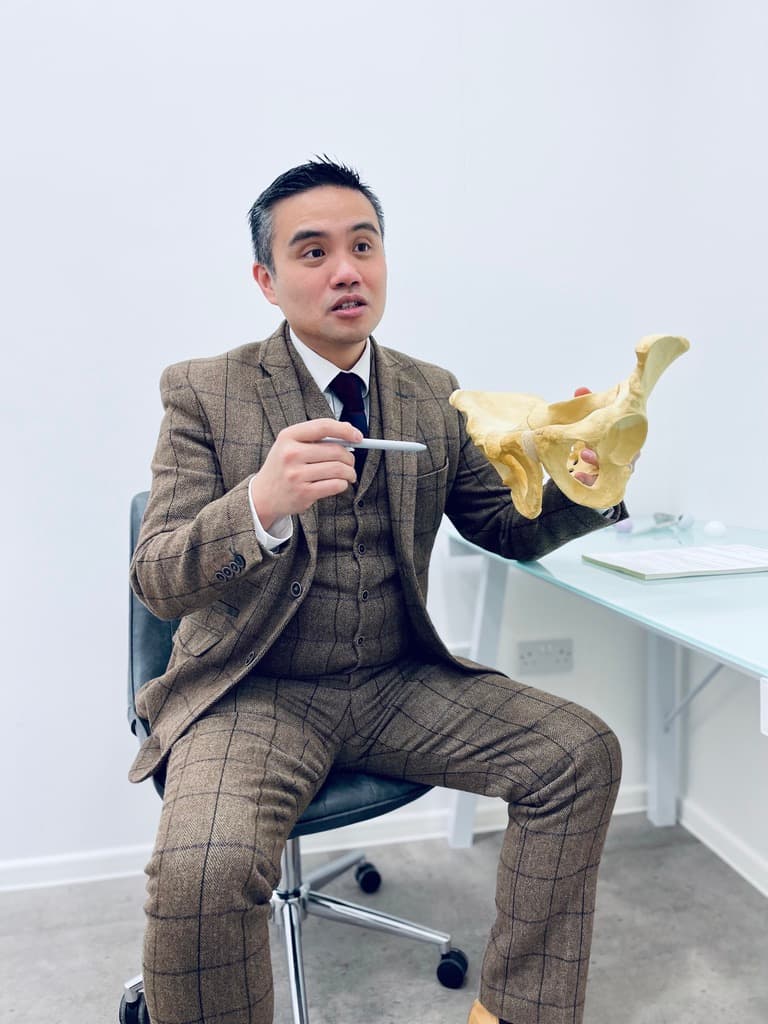
Guide price only. Final cost is confirmed after assessment.
The published evidence and outcomes behind hip replacement at London Cartilage Clinic. Professor Paul Lee’s safety record, the SPAIRE muscle-sparing technique citation, long-term implant survival data, and training pedigree at the Exeter Hip Unit. Reported plainly, with the underlying clinical detail explained in non-medical language.
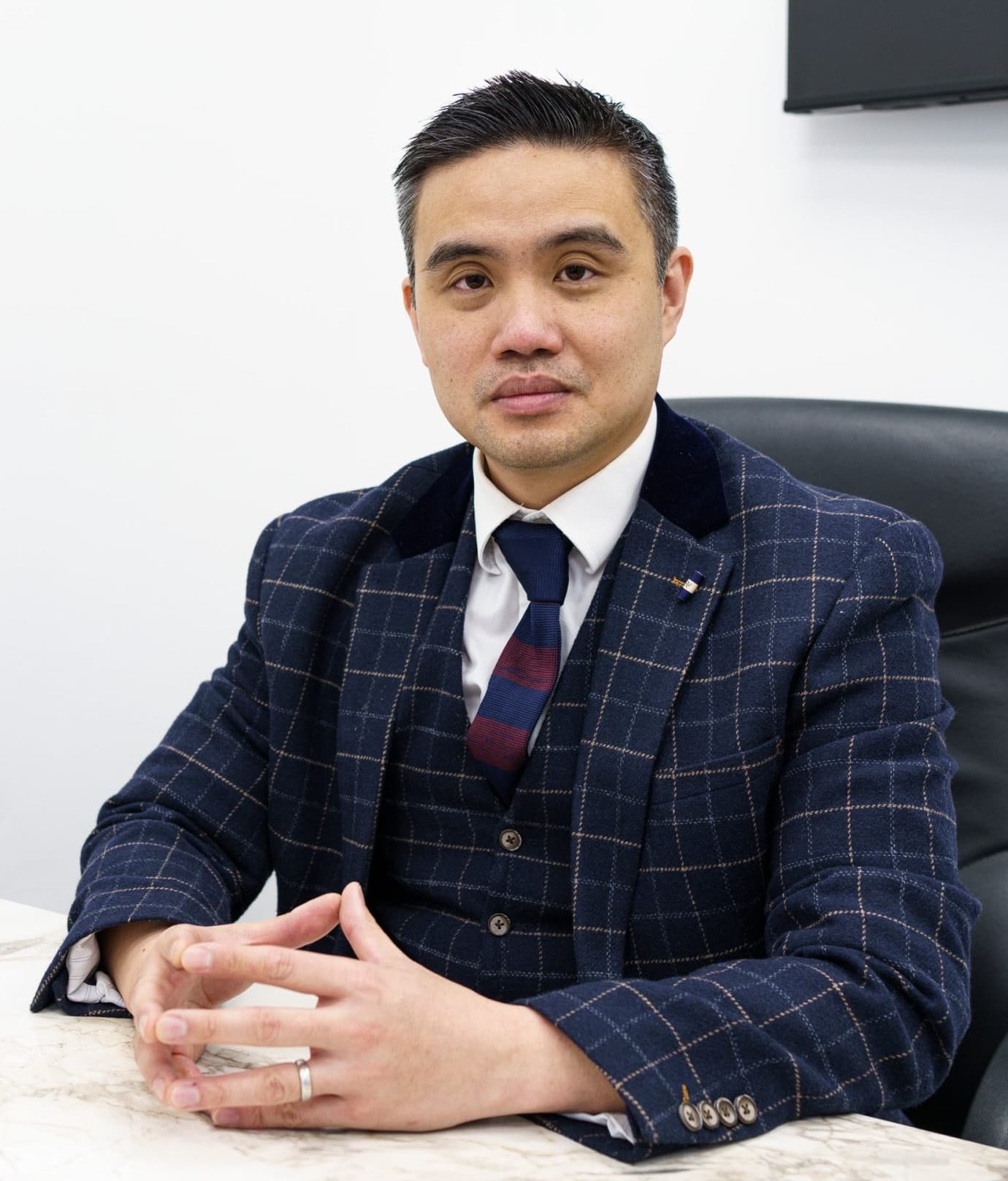 Reviewed byProf Paul Lee MBBch, FRCS (Tr & Orth), PhDLast reviewed 1 May 2026
Reported from the full set of private hip replacements performed by Professor Paul Lee to date. As the practice grows, these figures will continue to be reported publicly and honestly.
No patients in Professor Lee’s private hip replacement practice have required a blood transfusion. Blood-loss management is built into the surgical technique and anaesthetic plan.
Zero MRSA surgical site infections recorded. Reflects the infection-control protocol at the 5-star Weymouth Street Hospital and the surgical team’s technique.
Every scheduled hip replacement has gone ahead on the planned day, with no on-the-day cancellations. Reflects rigorous pre-operative optimisation and scheduling.
No symptomatic deep vein thrombosis events recorded after surgery. Reflects early mobilisation, the muscle-sparing technique, and a tailored anti-clotting protocol.
SPAIRE stands for Save Piriformis And Internus, Repair Externus. It is a modern posterior approach to total hip replacement that keeps the piriformis and obturator internus tendons at the back of the hip intact, instead of detaching and reattaching them. The obturator externus is repaired at the end of the operation.
By keeping those tendons intact, the approach is intended to support the natural posterior stability of the hip and help suitable patients mobilise more confidently after surgery.
Professor Paul Lee trained in the SPAIRE approach at the Exeter Hip Unit under Professor Timperley, who developed and published the technique.
Hanly RJ, Sokolowski S, Timperley AJ. The SPAIRE technique allows sparing of the piriformis and obturator internus in a modified posterior approach to the hip. Hip International, 2017.
Current data shows that over 90% of modern hip replacements are still functioning well at 15 to 20 years. Advances in bearing materials, particularly highly cross-linked polyethylene and ceramic-on-polyethylene pairings, and improvements in surgical technique have steadily lifted long-term survival.
Implant choice at London Cartilage Clinic is made based on patient age, activity level and anatomy. Pre-operative templating optimises leg length, offset and implant fit before the operation begins, which is one of the strongest predictors of long-term success.
Bring your imaging and your questions. Hip replacement is one of several options, and the right next step is decided in a consultation, not from a stats page.
Led by Professor Paul Lee at the 5-star Weymouth Street Hospital. Muscle-sparing technique, patient-specific planning, and a published 0% safety record.
Read moreNine questions, around three minutes. A shared decision-making tool to frame a conversation with Professor Lee.
Read moreHarley Street consultations with surgery a short walk away at the 5-star Weymouth Street Hospital.
Read moreWhat to expect from the overnight stay through to long-term strength gains in the first year.
Read moreJoint-preserving and biological options first, with hip replacement as the right next step when it is the right next step.
Read more
SPAIRE was described in Hanly RJ, Sokolowski S, Timperley AJ. The SPAIRE technique allows sparing of the piriformis and obturator internus in a modified posterior approach to the hip. Hip International, 2017. The technique preserves the small rotator tendons at the back of the hip, instead of detaching and reattaching them, with the aim of supporting hip stability and earlier confident mobilisation.
Current data shows that over 90% of modern hip replacements are still functioning well at 15 to 20 years. Advances in bearing materials and surgical technique continue to improve longevity. Younger, more active patients benefit from careful implant selection to maximise durability.
Four outcome measures are reported from Professor Lee’s private hip replacement practice: blood transfusion rate, MRSA infection rate, day-of cancellation rate, and symptomatic deep vein thrombosis (DVT) rate. All four are currently at 0%. As the practice grows, these figures will continue to be reported publicly and honestly.
Professor Lee trained in the SPAIRE muscle and tendon-sparing posterior technique at the Exeter Hip Unit under Professor Timperley, who developed and published the technique. Exeter is one of the world-renowned centres for hip surgery in the UK.
Yes. Outcomes for Arthrosamid and other biological treatments are published on the relevant treatment pages and evidence pages. London Cartilage Clinic has been an active publisher of real-world clinical outcomes since the clinic opened.
Still have more specific concerns?
Free Discovery CallLondon Cartilage Clinic
Clinical updates, cartilage treatment guidance, and recovery-focused articles from our specialist team.
A practical overview of cartilage repair, injection therapy, rehabilitation planning, and the clinical evidence that guides joint preservation care.
A practical overview of cartilage repair, injection therapy, rehabilitation planning, and the clinical evidence that guides joint preservation care.
A practical overview of cartilage repair, injection therapy, rehabilitation planning, and the clinical evidence that guides joint preservation care.