

Knee Cartilage
Demo Author One
Cartilage repair options for lasting joint health
A practical overview of cartilage repair, injection therapy, rehabilitation planning, and the clinical evidence that guides joint preservation care.
Guide price only. Final cost is confirmed after assessment.
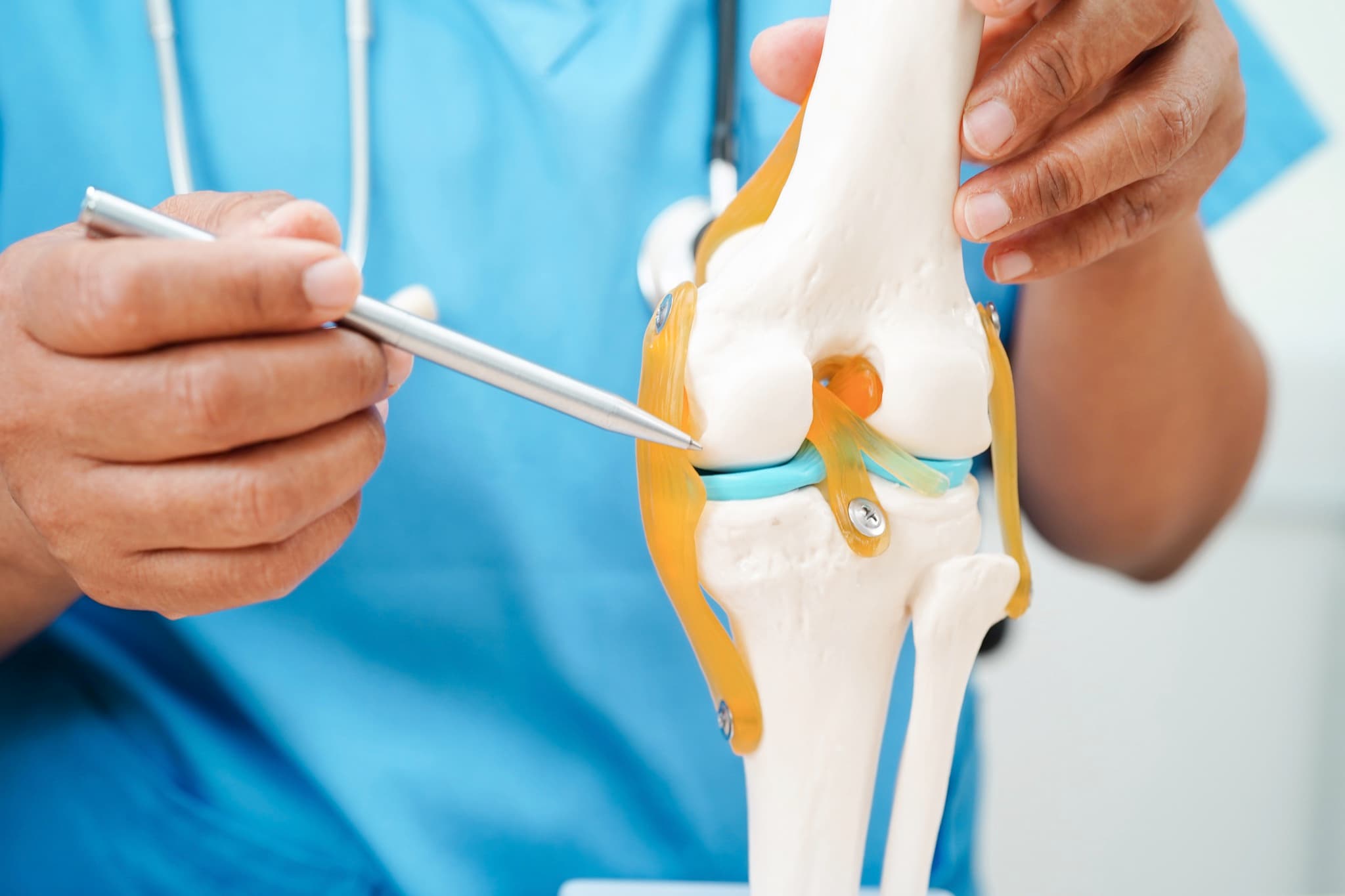
Arthroplasty, or joint replacement surgery, involves the removal of a damaged and the inserting of a new artificial joint. The prosthesis can be made from a variety of materials which are chosen for their durability, light weight, and ability to be sterilised. The replacement joint should be moulded to the patient anatomy for seamless implantation and to aid in recovery time. Joint replacement can be done on a variety of joints which we use on a daily basis to go about our everyday lives.
 Reviewed byProf Paul Lee MBBch, FRCS (Tr & Orth), PhDLast reviewed 1 May 2026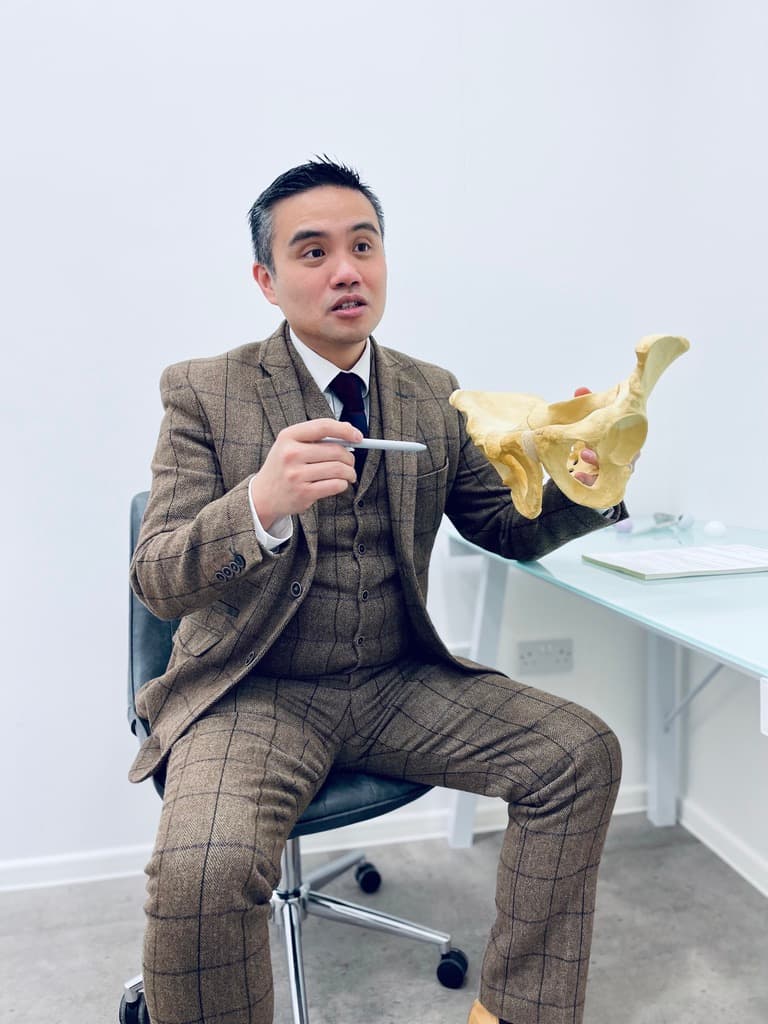
Joint replacement is considered when pain, stiffness, and loss of function persist despite non-surgical treatment and significantly impact quality of life.
The objective is to replace damaged joint surfaces, restore movement mechanics, and achieve sustained pain relief.
Successful joint replacement depends on accurate planning, precise implantation, and disciplined rehabilitation, not surgery alone.
At London Cartilage Clinic, care is designed around long-term durability and functional return, with clear expectations from consultation through recovery.

You may have more options than you think
At London Cartilage Clinic we follow a structured clinical framework across four areas of treatment. Before recommending a single procedure, we assess which combination of approaches gives you the best outcome.
Protect what you have. Slow degeneration and manage symptoms.
Fix specific damage. Torn tissue, unstable joints, structural problems.
Rebuild lost tissue. Biological treatments that stimulate new growth.
When other options are exhausted. Joint replacement as a last resort.
This treatment can be applied across multiple joints. Select yours to see the full range of options we offer, organised by clinical approach.
Explore All Treatment Options
Knee replacement surgery is one of the most common procedures as the knee is constantly under pressure. For the same reason, the hip joint is also likely to experience problems that require joint replacement. Digits that are used excessively may also require treatment. For example, thumb joint replacement is a service that the London Cartilage Clinic offers.
Historically, joint replacement prosthetics can last upwards of 10 years. However, modern innovations in medical technology have contributed to making them even longer lasting. The exact lifespan will vary depending on the supplier and how the device has been implanted.
There are many factors that can affect the recovery time for joint replacement surgery. This includes patient anatomy, age, and underlying health conditions. Surgery can vary depending on which joint is being replaced, along with the amount of bone removed. Oftentimes, pain similar to that which you felt prior to the surgery will persist for around two weeks.
Still have more specific concerns?
Free Discovery CallLondon Cartilage Clinic
Clinical updates, cartilage treatment guidance, and recovery-focused articles from our specialist team.
A practical overview of cartilage repair, injection therapy, rehabilitation planning, and the clinical evidence that guides joint preservation care.
A practical overview of cartilage repair, injection therapy, rehabilitation planning, and the clinical evidence that guides joint preservation care.
A practical overview of cartilage repair, injection therapy, rehabilitation planning, and the clinical evidence that guides joint preservation care.