

Knee Cartilage
Demo Author One
Cartilage repair options for lasting joint health
A practical overview of cartilage repair, injection therapy, rehabilitation planning, and the clinical evidence that guides joint preservation care.
Guide price only. Final cost is confirmed after assessment.
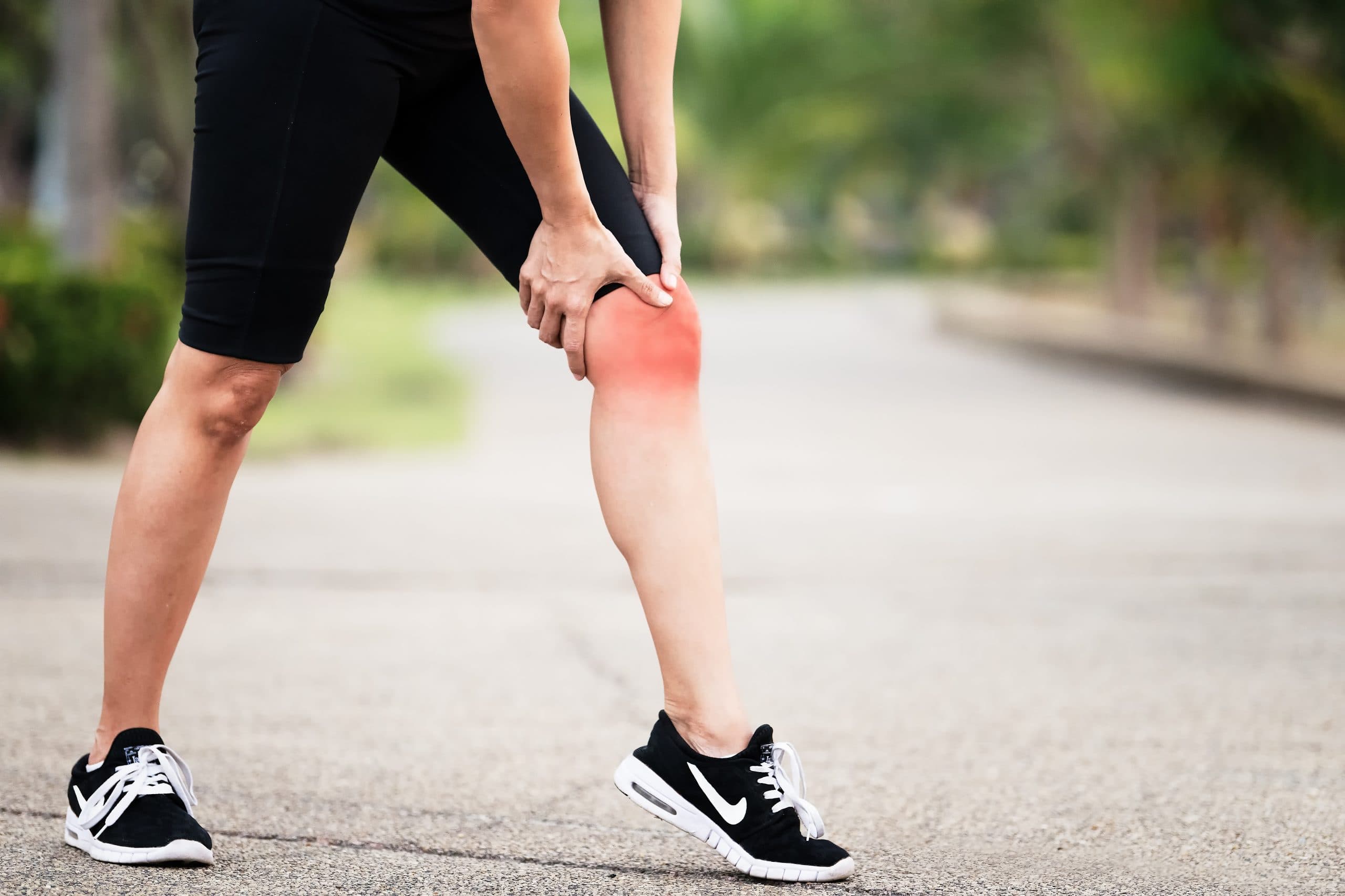
A corticosteroid injection delivers a powerful anti-inflammatory directly into the affected joint or soft tissue. It is one of the most established treatments in orthopaedics for managing acute pain, reducing swelling, and restoring movement. At London Cartilage Clinic, every steroid injection is performed under ultrasound guidance to ensure precision and maximise clinical benefit.
 Reviewed byProf Paul Lee MBBch, FRCS (Tr & Orth), PhDLast reviewed 1 May 2026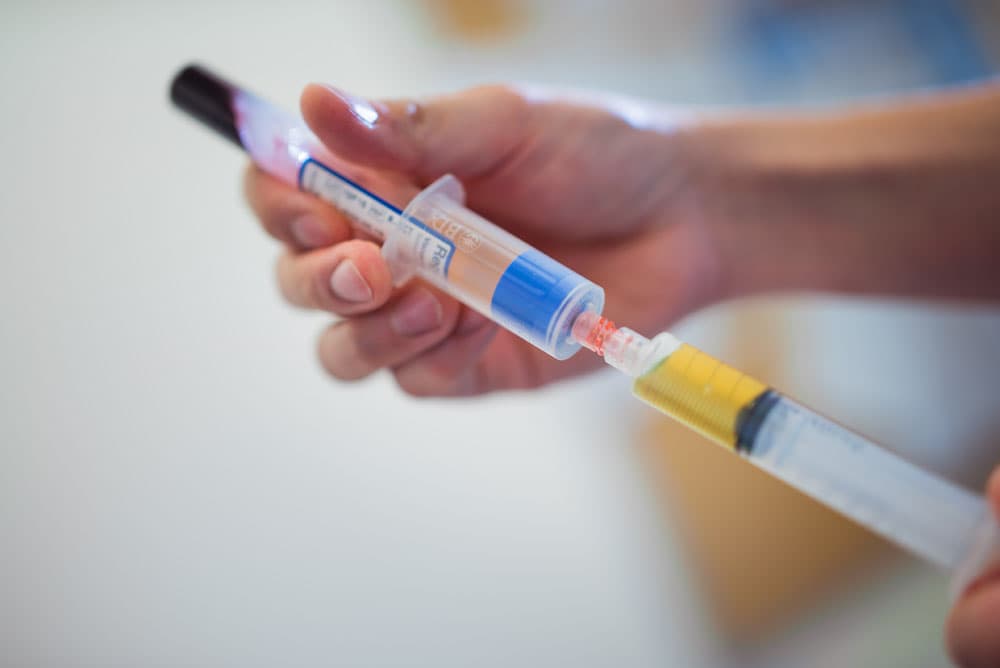
Corticosteroids reduce inflammation by suppressing the immune response within the joint. This lowers swelling, eases pressure on surrounding structures, and interrupts the pain cycle that restricts movement.
Steroid injections are often the first step in a broader treatment plan. By controlling inflammation early, we can assess the joint more accurately and guide you toward the right longer-term approach.
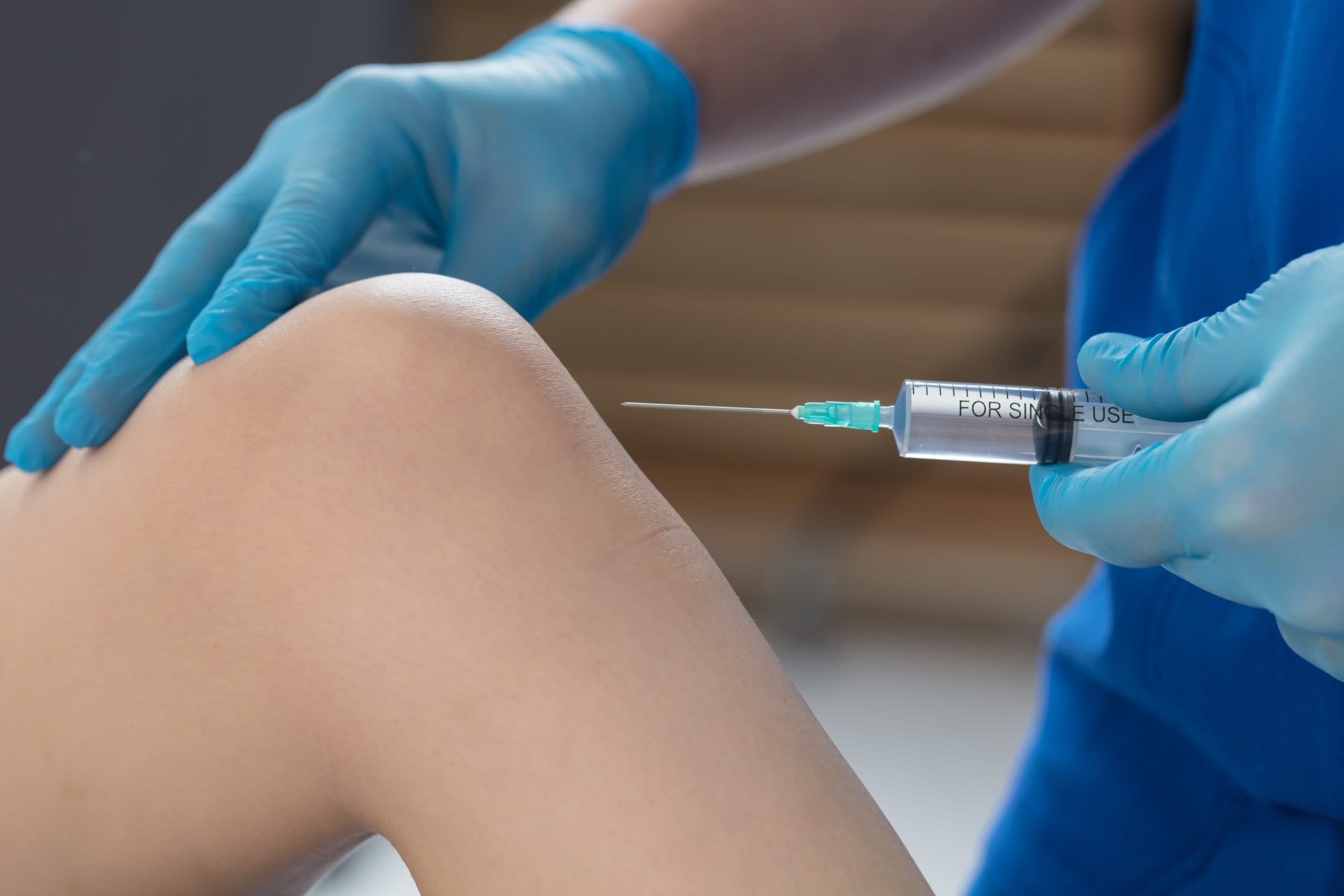
A steroid injection is only as effective as the accuracy with which it is delivered. At London Cartilage Clinic, every injection is performed under real-time ultrasound guidance by a specialist with over 15 years of experience.
We view steroid injections as a clinical tool within a structured plan. If your condition requires more than symptom control, we will discuss the full range of options available to you.
You may have more options than you think
At London Cartilage Clinic we follow a structured clinical framework across four areas of treatment. Before recommending a single procedure, we assess which combination of approaches gives you the best outcome.
Protect what you have. Slow degeneration and manage symptoms.
Fix specific damage. Torn tissue, unstable joints, structural problems.
Rebuild lost tissue. Biological treatments that stimulate new growth.
When other options are exhausted. Joint replacement as a last resort.
This treatment can be applied across multiple joints. Select yours to see the full range of options we offer, organised by clinical approach.
Explore All Treatment Options
Most patients notice a reduction in pain and swelling within 24 to 72 hours. The full effect typically develops over the first week. Some patients feel immediate relief due to the local anaesthetic given alongside the steroid.
The duration varies depending on the joint and the underlying condition. Many patients experience relief for several weeks to a few months. In some cases a single injection is enough to create a window for physiotherapy to take effect. Your specialist will discuss realistic expectations based on your diagnosis.
Repeated steroid injections into the same joint are generally limited because long-term use can affect cartilage and soft tissue quality. At London Cartilage Clinic, we use steroid injections strategically and will recommend alternative treatments if ongoing management is needed.
Ultrasound guidance allows the clinician to see the needle entering the joint in real time, ensuring the steroid is delivered precisely where it is needed. This improves accuracy, reduces the risk of injecting into surrounding tissues, and leads to better outcomes compared with landmark-guided injections.
Steroid injections can be used across virtually all joints, including the knee, hip, shoulder, ankle, elbow, wrist, hand, and foot. They are also used for soft tissue conditions such as bursitis and tendon sheath inflammation.
Still have more specific concerns?
Free Discovery CallLondon Cartilage Clinic
Clinical updates, cartilage treatment guidance, and recovery-focused articles from our specialist team.
A practical overview of cartilage repair, injection therapy, rehabilitation planning, and the clinical evidence that guides joint preservation care.
A practical overview of cartilage repair, injection therapy, rehabilitation planning, and the clinical evidence that guides joint preservation care.
A practical overview of cartilage repair, injection therapy, rehabilitation planning, and the clinical evidence that guides joint preservation care.