

Knee Cartilage
Demo Author One
Cartilage repair options for lasting joint health
A practical overview of cartilage repair, injection therapy, rehabilitation planning, and the clinical evidence that guides joint preservation care.
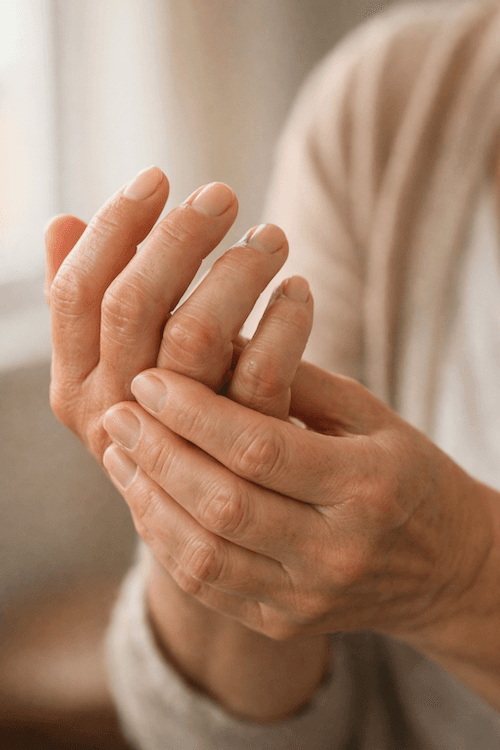
Thumb base arthritis (CMC joint osteoarthritis) is the most common form of hand arthritis. It affects grip strength, pinch force, and the ability to perform everyday tasks that rely on the thumb.
 Reviewed byProf Paul Lee MBBch, FRCS (Tr & Orth), PhDLast reviewed 1 May 2026
The thumb accounts for roughly 40% of overall hand function. It opposes all four fingers, making it essential for grip, pinch, and fine manipulation. Arthritis at the CMC joint undermines all of these.
Our approach prioritises preserving the thumb joint for as long as possible. Biological treatment and targeted rehabilitation can significantly extend functional life before surgery becomes necessary.
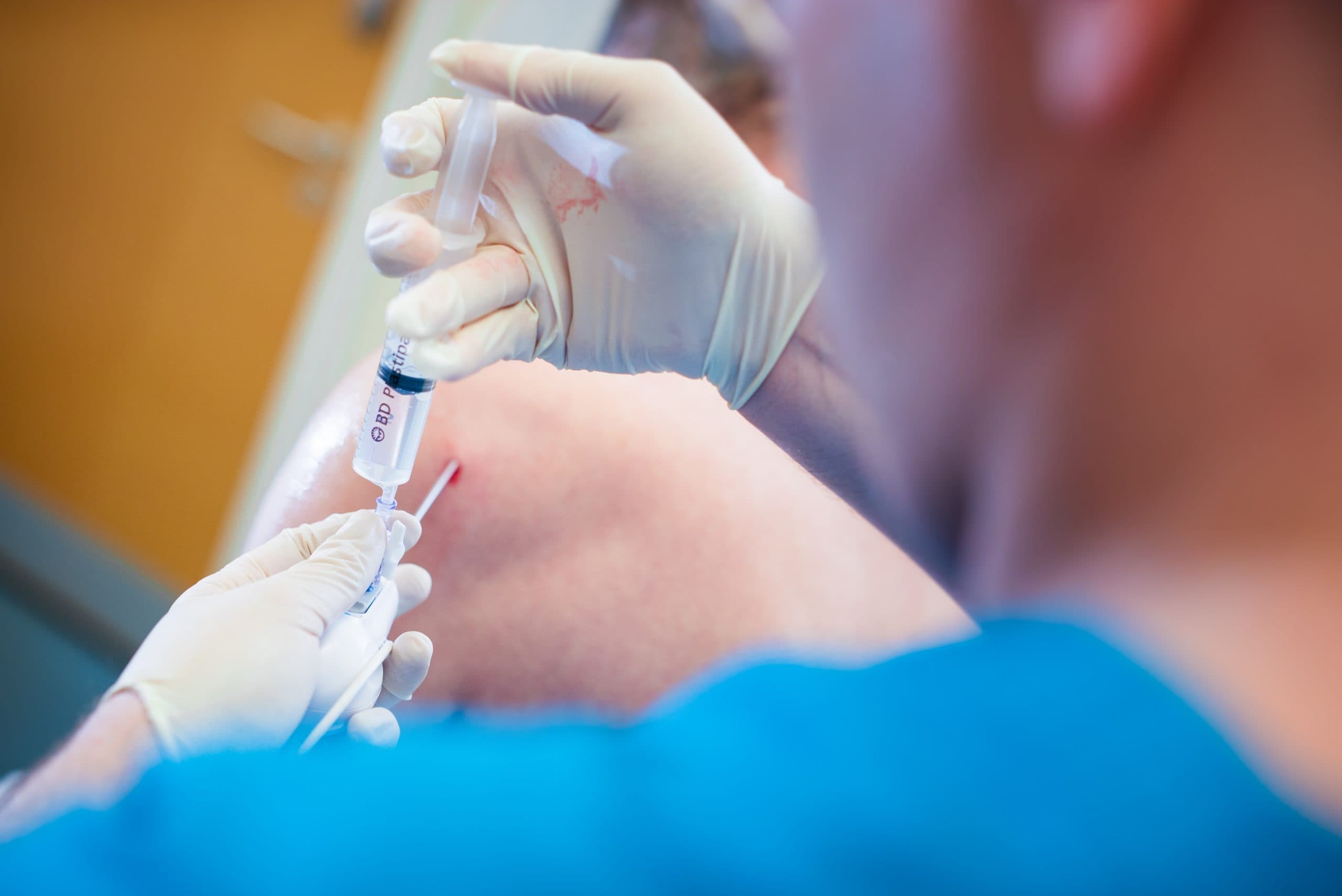
You may have more options than you think
At London Cartilage Clinic we follow a structured clinical framework across four areas of treatment. Before recommending a single procedure, we assess which combination of approaches gives you the best outcome.
Protect what you have. Slow degeneration and manage symptoms.
Fix specific damage. Torn tissue, unstable joints, structural problems.
Rebuild lost tissue. Biological treatments that stimulate new growth.
When other options are exhausted. Joint replacement as a last resort.
Explore the full range of treatments available for your joint. Each hub page shows every option we offer, organised by clinical approach.
The carpometacarpal (CMC) joint at the base of the thumb is a saddle-shaped joint that allows wide-ranging movement. This mobility comes at the cost of inherent stability, and the joint surfaces experience high contact forces during pinching and gripping, making it vulnerable to cartilage wear.
Pain at the base of the thumb during pinching, gripping, or twisting activities. Difficulty opening jars, turning keys, or writing for prolonged periods. Swelling and tenderness at the thumb base, and in advanced cases, a visible bony prominence.
Thumb splinting to rest the joint during symptomatic periods, hand therapy to strengthen the supporting muscles, steroid or hyaluronic acid injections, and biological treatments such as PRP and mFat to manage inflammation and support the remaining cartilage.
Trapeziectomy is the standard surgical procedure for advanced thumb CMC arthritis. It involves removing the trapezium bone at the base of the thumb. While effective for pain relief, it does alter thumb mechanics, which is why we explore all conservative and biological options first.
Still have more specific concerns?
Free Discovery CallLondon Cartilage Clinic
Clinical updates, cartilage treatment guidance, and recovery-focused articles from our specialist team.
A practical overview of cartilage repair, injection therapy, rehabilitation planning, and the clinical evidence that guides joint preservation care.
A practical overview of cartilage repair, injection therapy, rehabilitation planning, and the clinical evidence that guides joint preservation care.
A practical overview of cartilage repair, injection therapy, rehabilitation planning, and the clinical evidence that guides joint preservation care.