

Knee Cartilage
Demo Author One
Cartilage repair options for lasting joint health
A practical overview of cartilage repair, injection therapy, rehabilitation planning, and the clinical evidence that guides joint preservation care.

The triangular fibrocartilage complex (TFCC) is a key stabilising structure on the ulnar side of the wrist. Tears cause pain with gripping and rotation, and can lead to wrist instability if untreated.
 Reviewed byProf Paul Lee MBBch, FRCS (Tr & Orth), PhDLast reviewed 1 May 2026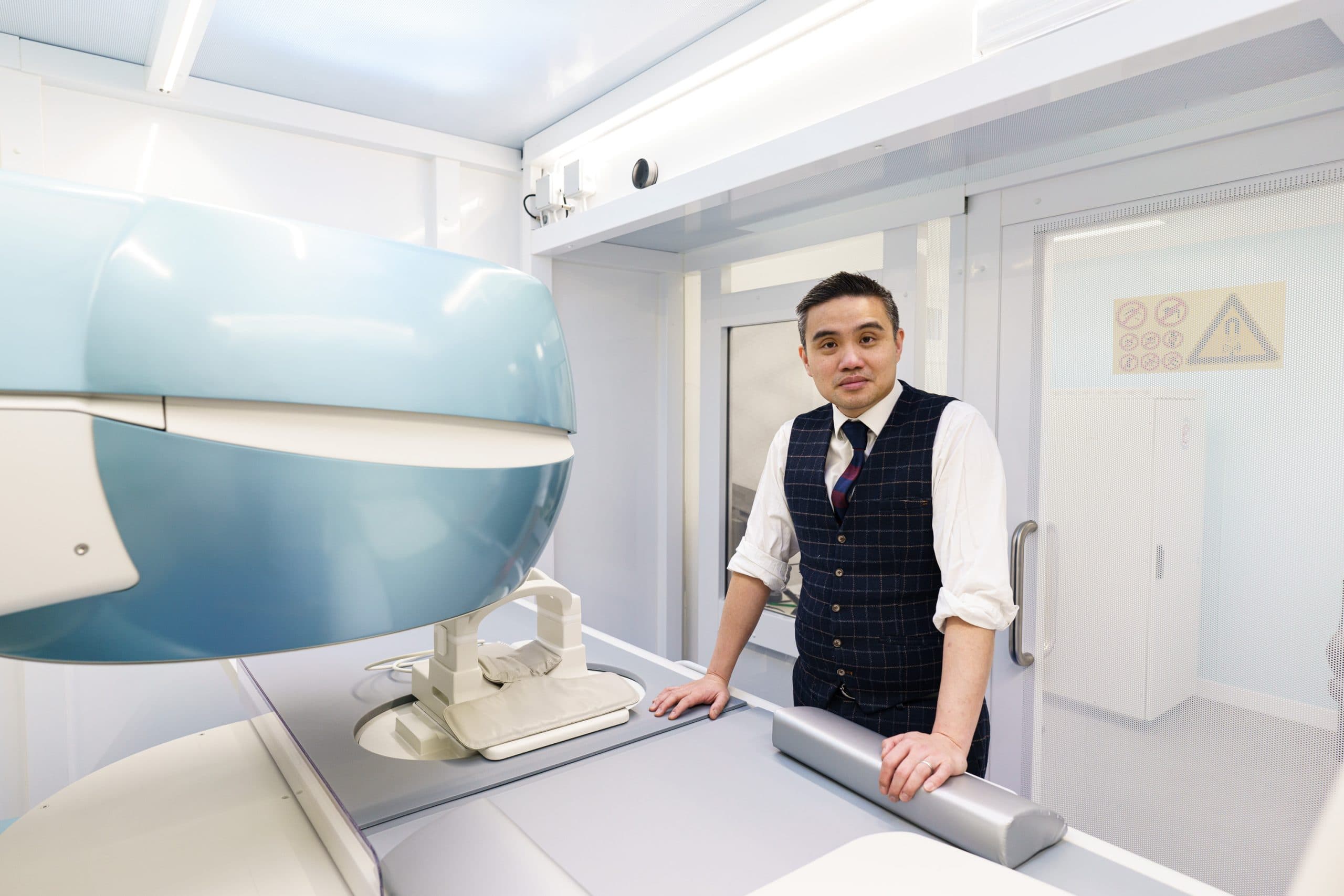
The TFCC is made up of cartilage, ligaments, and a meniscal-like disc that together cushion and stabilise the wrist. It is critical for:
Tears are classified by location and cause. Peripheral tears (near the blood supply) have better healing potential than central tears.
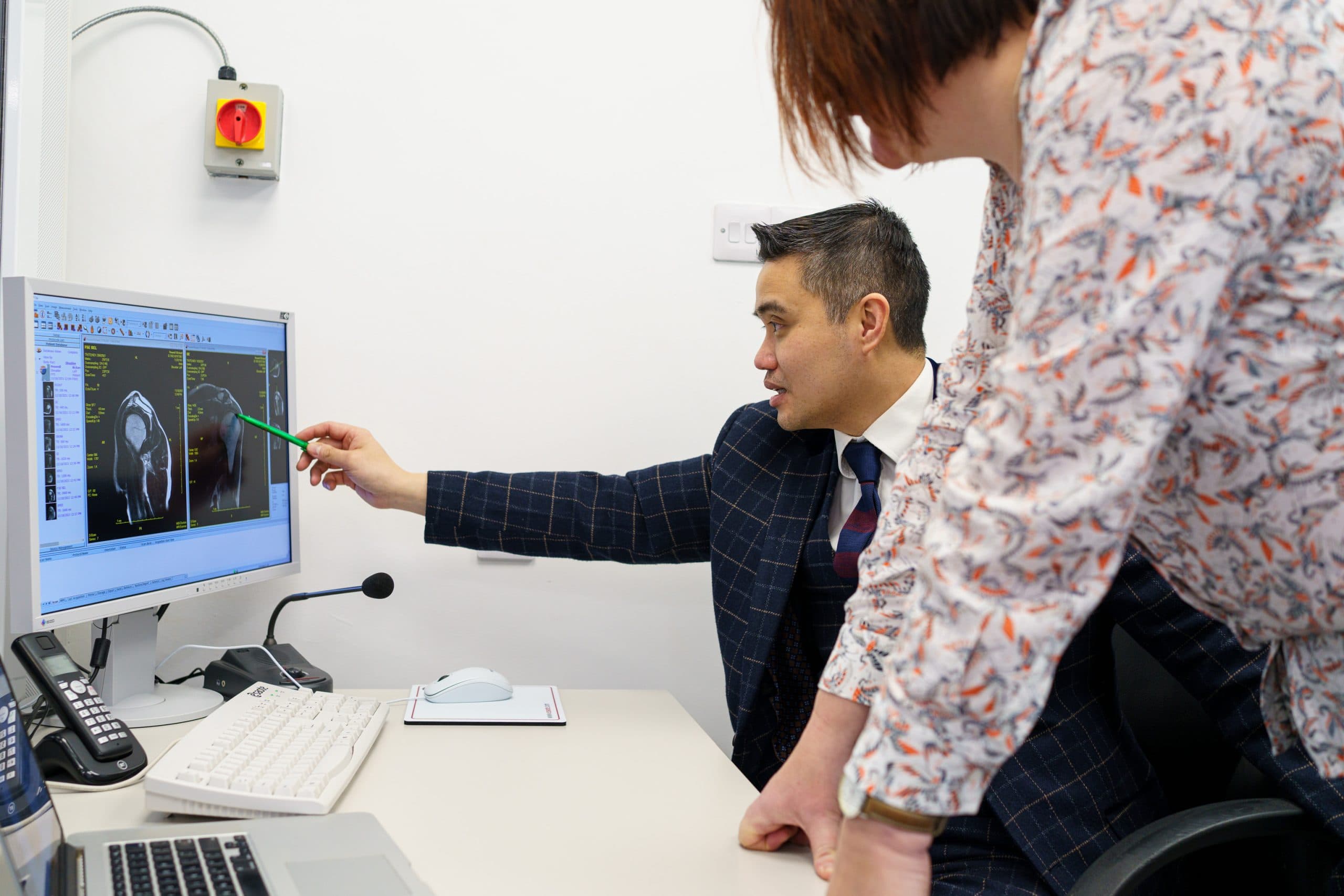
Accurate characterisation of the tear (MRI or wrist arthroscopy) guides the treatment decision. Not all TFCC tears need surgery, and not all surgical tears need reconstruction.
You may have more options than you think
At London Cartilage Clinic we follow a structured clinical framework across four areas of treatment. Before recommending a single procedure, we assess which combination of approaches gives you the best outcome.
Protect what you have. Slow degeneration and manage symptoms.
Fix specific damage. Torn tissue, unstable joints, structural problems.
Rebuild lost tissue. Biological treatments that stimulate new growth.
When other options are exhausted. Joint replacement as a last resort.
Explore the full range of treatments available for your joint. Each hub page shows every option we offer, organised by clinical approach.

The triangular fibrocartilage complex (TFCC) is a structure on the ulnar (little finger) side of the wrist. It acts as a cushion between the forearm bones and the carpal bones, and it stabilises the distal radioulnar joint during forearm rotation. It is essential for wrist stability and load transfer.
TFCC tears can be traumatic (from a fall on an outstretched hand or a forceful twist) or degenerative (from gradual wear, particularly in patients over 50). Traumatic tears are more common in younger, active patients.
Pain on the ulnar side of the wrist, worsened by gripping, twisting, or loading through the hand. Clicking or clunking during forearm rotation. Weakness in grip and difficulty performing push-ups or weight-bearing through the wrist.
Mild tears may respond to splinting, activity modification, and injection therapy. More significant tears, particularly those causing instability, may require arthroscopic repair or debridement. The approach depends on tear type, location, and your functional demands.
Still have more specific concerns?
Free Discovery CallLondon Cartilage Clinic
Clinical updates, cartilage treatment guidance, and recovery-focused articles from our specialist team.
A practical overview of cartilage repair, injection therapy, rehabilitation planning, and the clinical evidence that guides joint preservation care.
A practical overview of cartilage repair, injection therapy, rehabilitation planning, and the clinical evidence that guides joint preservation care.
A practical overview of cartilage repair, injection therapy, rehabilitation planning, and the clinical evidence that guides joint preservation care.