

Knee Cartilage
Demo Author One
Cartilage repair options for lasting joint health
A practical overview of cartilage repair, injection therapy, rehabilitation planning, and the clinical evidence that guides joint preservation care.
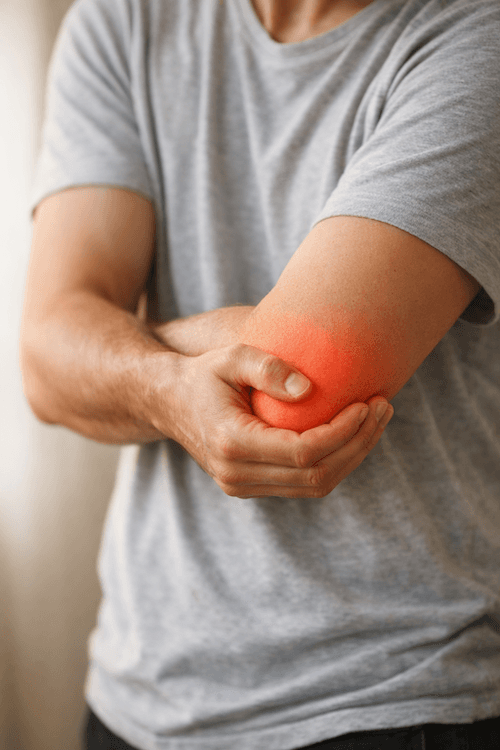
Tennis elbow (lateral epicondylitis) is a painful condition affecting the tendons on the outer elbow. It is caused by repetitive gripping and wrist extension and is one of the most common reasons for elbow pain in adults.
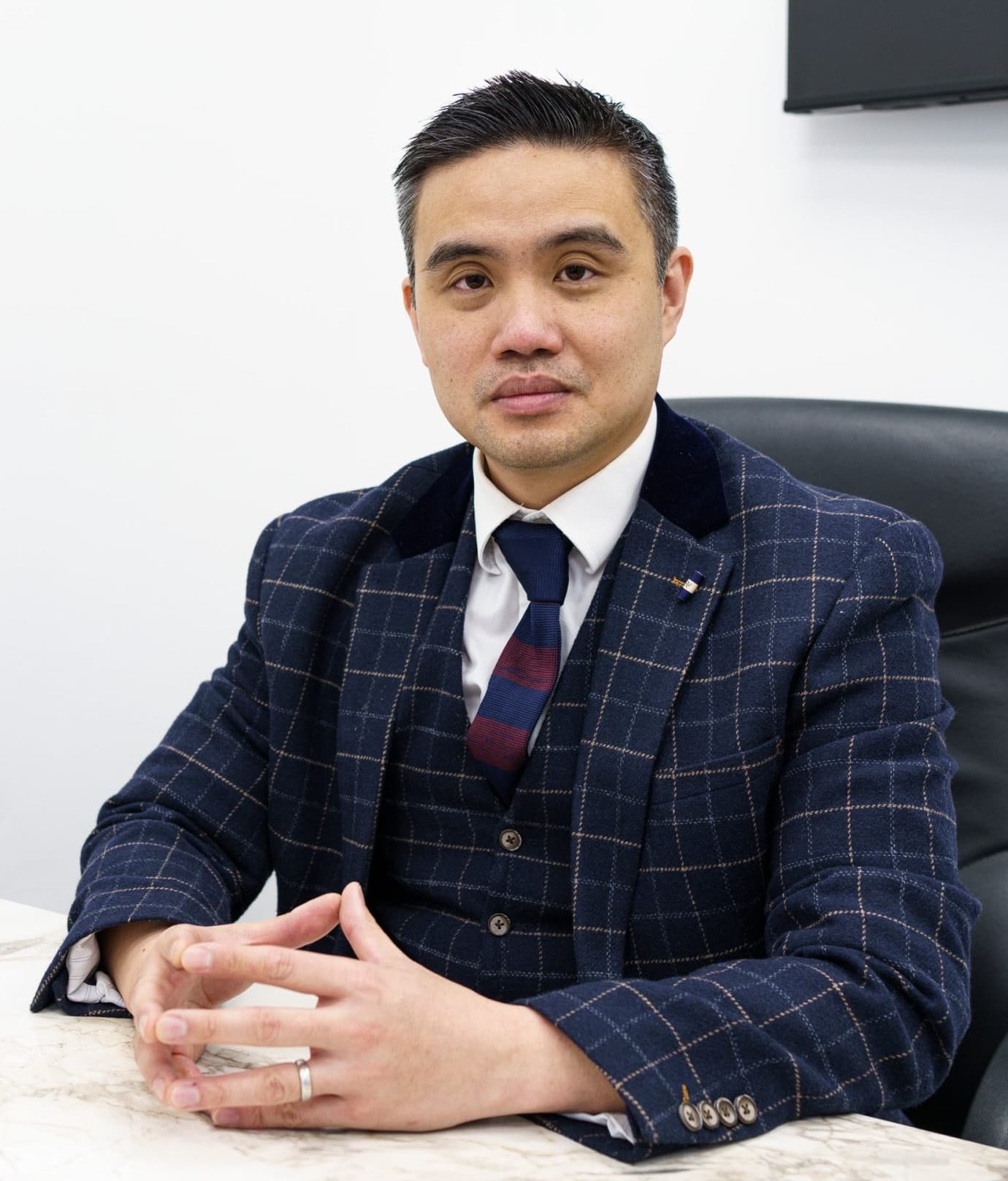 Reviewed byProf Paul Lee MBBch, FRCS (Tr & Orth), PhDLast reviewed 1 May 2026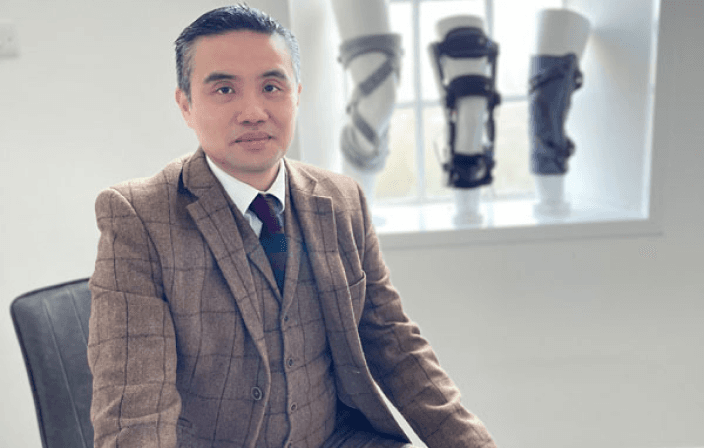
The common extensor tendon attaches to the lateral epicondyle (outer bony prominence of the elbow). Repetitive loading causes micro-tears that the tendon cannot repair quickly enough, leading to a cycle of degeneration rather than healing.
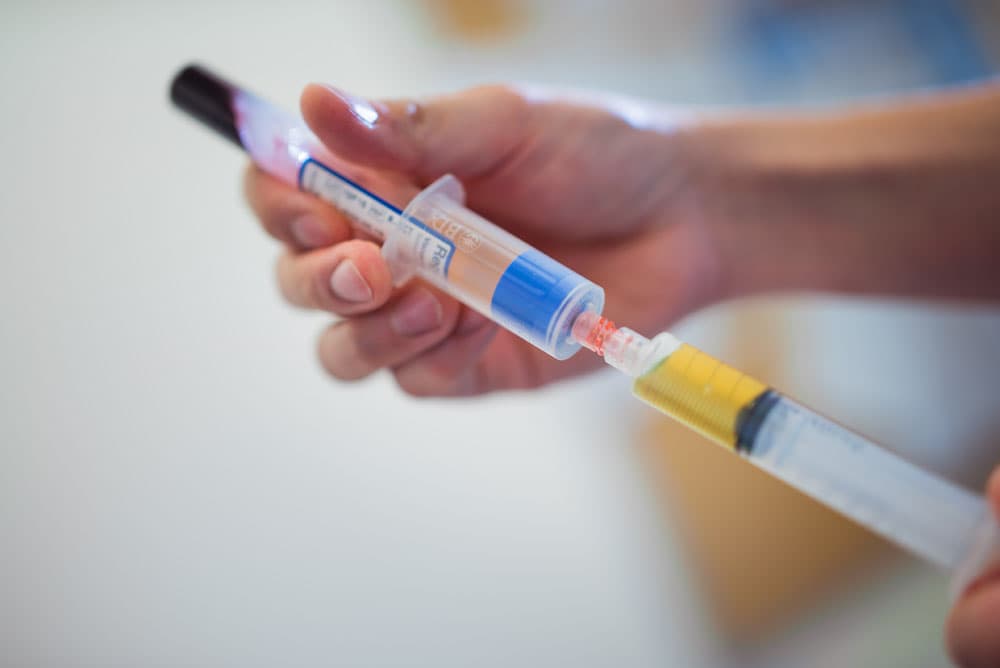
Treatment follows a structured pathway from conservative measures to biological intervention.
We focus on treating the underlying tendon pathology rather than simply masking pain, because the goal is lasting resolution, not temporary relief.
You may have more options than you think
At London Cartilage Clinic we follow a structured clinical framework across four areas of treatment. Before recommending a single procedure, we assess which combination of approaches gives you the best outcome.
Protect what you have. Slow degeneration and manage symptoms.
Fix specific damage. Torn tissue, unstable joints, structural problems.
Rebuild lost tissue. Biological treatments that stimulate new growth.
When other options are exhausted. Joint replacement as a last resort.
Explore the full range of treatments available for your joint. Each hub page shows every option we offer, organised by clinical approach.

No. Tennis elbow is caused by repetitive gripping and wrist extension activities. It is common in office workers, manual labourers, and anyone who performs repetitive forearm movements. Racquet sports are just one of many causes.
Most cases resolve within 6 to 12 months with appropriate treatment. However, some patients develop chronic tendinopathy that persists for longer. Early, targeted treatment can shorten the recovery timeline.
Steroid injections can provide short-term pain relief but evidence suggests they may not improve long-term outcomes and can weaken the tendon with repeated use. At London Cartilage Clinic, we typically favour physiotherapy, PRP, or mFat for sustained improvement.
Surgery is rarely needed. It is considered only when symptoms persist despite six to twelve months of structured conservative and biological treatment. The procedure involves removing the degenerated portion of the tendon.
Still have more specific concerns?
Free Discovery CallLondon Cartilage Clinic
Clinical updates, cartilage treatment guidance, and recovery-focused articles from our specialist team.
A practical overview of cartilage repair, injection therapy, rehabilitation planning, and the clinical evidence that guides joint preservation care.
A practical overview of cartilage repair, injection therapy, rehabilitation planning, and the clinical evidence that guides joint preservation care.
A practical overview of cartilage repair, injection therapy, rehabilitation planning, and the clinical evidence that guides joint preservation care.