

Knee Cartilage
Demo Author One
Cartilage repair options for lasting joint health
A practical overview of cartilage repair, injection therapy, rehabilitation planning, and the clinical evidence that guides joint preservation care.

Guide price only. Final cost is confirmed after assessment.
London Cartilage Clinic is at the forefront of orthopaedic medicine, offering state-of-the-art Stem Cell / Medicinal Signaling Cell shoulder therapy. Utilising Mesenchymal Stem Cells / Medicinal Signaling Cells (MSCs), our innovative approach targets the natural regeneration and repair of shoulder joint tissues. This therapy is an excellent option for patients with shoulder conditions seeking alternatives to invasive surgeries, aiming to restore mobility, reduce pain, and improve overall shoulder function.
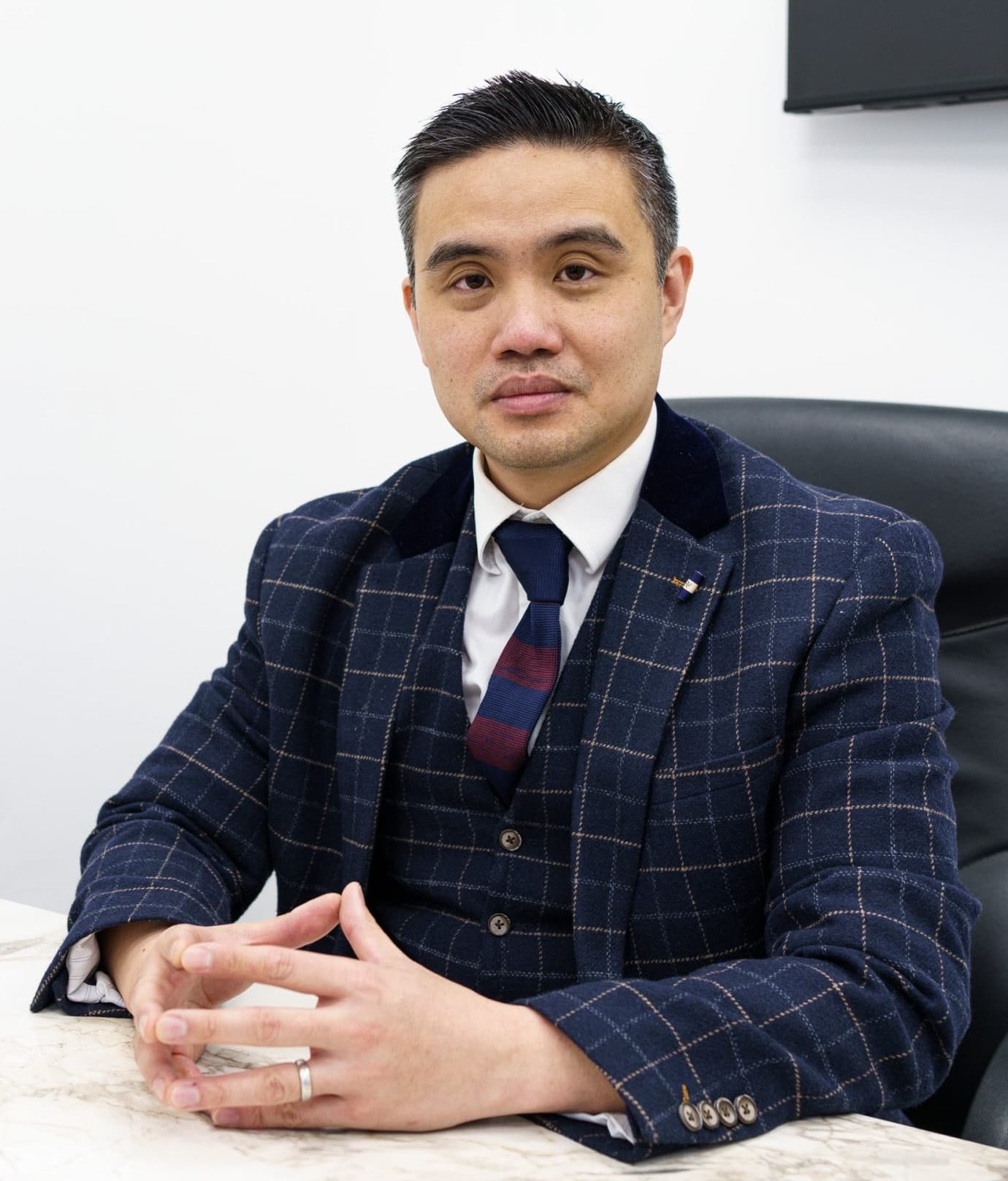 Reviewed byProf Paul Lee MBBch, FRCS (Tr & Orth), PhDLast reviewed 1 May 2026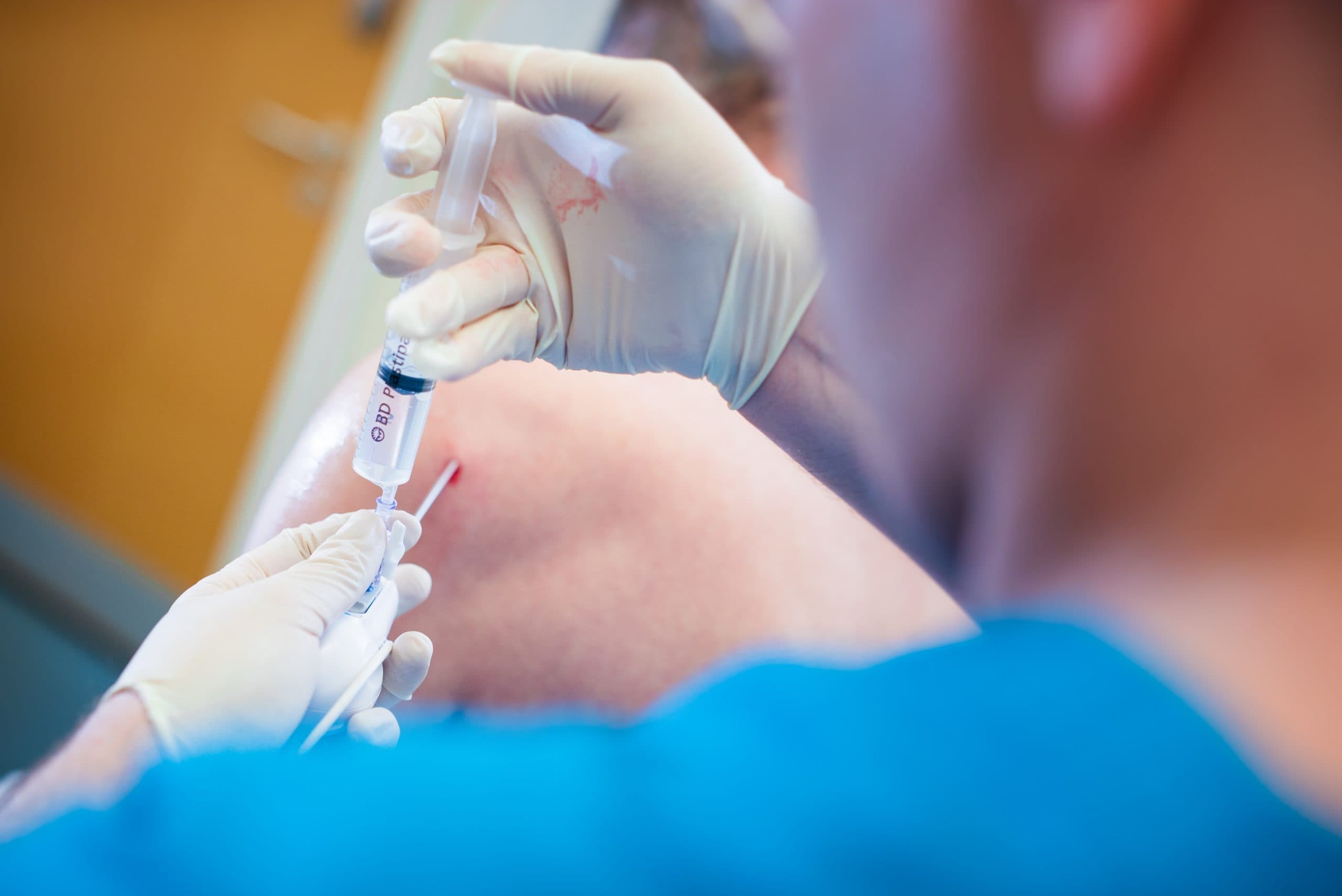
Mesenchymal Stem Cells / Medicinal Signaling Cells (MSCs) are highly effective in treating shoulder conditions, including rotator cuff injuries, arthritis, and tendonitis. Their ability to differentiate into various cell types allows for the regeneration of damaged tissues within the shoulder joint. This regenerative capability is particularly beneficial in managing degenerative conditions and injuries, offering patients a chance to regain full functionality with minimal intervention.
Our MSC therapy for shoulder conditions involves extracting these potent cells from the patient, followed by their processing and precise reinjection into the affected shoulder area. This targeted approach encourages the body's natural healing processes, fostering tissue regeneration and providing a quicker, more effective recovery than traditional methods.
MSC therapy is well-suited for a variety of shoulder conditions, providing significant benefits in terms of pain relief, mobility enhancement, and tissue repair. This advanced treatment is particularly effective for conditions that traditionally required surgical intervention, offering a non-surgical option for those seeking alternative therapies.
You may have more options than you think
At London Cartilage Clinic we follow a structured clinical framework across four areas of treatment. Before recommending a single procedure, we assess which combination of approaches gives you the best outcome.
Protect what you have. Slow degeneration and manage symptoms.
Fix specific damage. Torn tissue, unstable joints, structural problems.
Rebuild lost tissue. Biological treatments that stimulate new growth.
When other options are exhausted. Joint replacement as a last resort.
Explore the full range of treatments available for your joint. Each hub page shows every option we offer, organised by clinical approach.

Common shoulder conditions treated with MSC therapy include rotator cuff injuries, shoulder arthritis, and tendonitis. The therapy is tailored to each patient’s specific condition to ensure optimal outcomes.
Patients typically experience a reduction in pain and an improvement in shoulder mobility. The full extent of recovery can vary, but many patients report noticeable improvements within a few weeks to months after treatment.
MSC therapy offers a non-surgical, minimally invasive alternative to traditional surgeries. It focuses on natural tissue regeneration, which can result in fewer complications and a quicker recovery period.
The therapy is generally safe, especially since it utilises the patient’s own cells. While any medical procedure can have risks, the chances of adverse reactions with MSC therapy are significantly reduced.
Still have more specific concerns?
Free Discovery CallLondon Cartilage Clinic
Clinical updates, cartilage treatment guidance, and recovery-focused articles from our specialist team.
A practical overview of cartilage repair, injection therapy, rehabilitation planning, and the clinical evidence that guides joint preservation care.
A practical overview of cartilage repair, injection therapy, rehabilitation planning, and the clinical evidence that guides joint preservation care.
A practical overview of cartilage repair, injection therapy, rehabilitation planning, and the clinical evidence that guides joint preservation care.