

Knee Cartilage
Demo Author One
Cartilage repair options for lasting joint health
A practical overview of cartilage repair, injection therapy, rehabilitation planning, and the clinical evidence that guides joint preservation care.
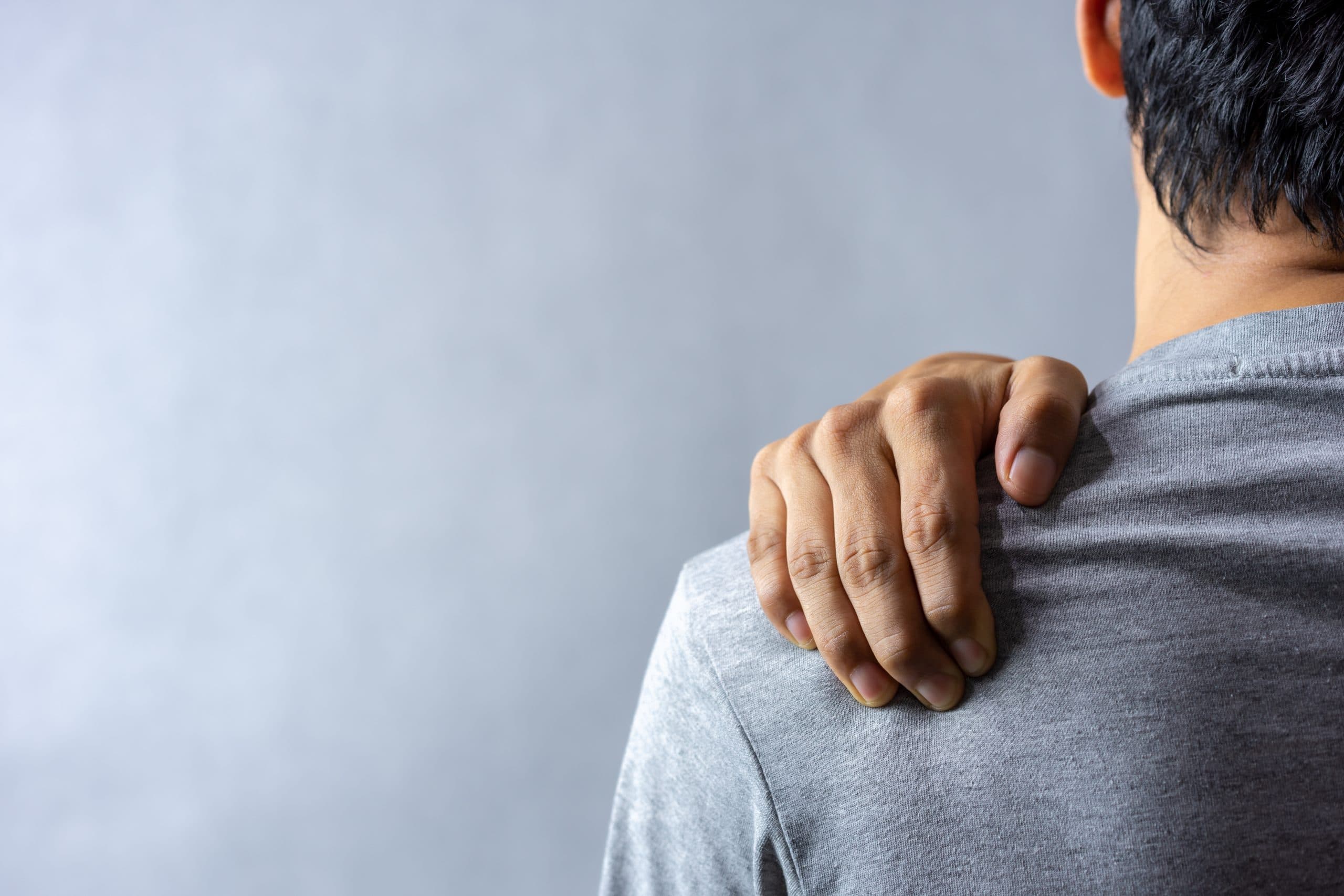
Shoulder instability occurs when the structures that hold the joint together are damaged, allowing the ball to move excessively or dislocate. SLAP lesions affect the superior labrum and biceps anchor, causing pain and dysfunction in overhead athletes.
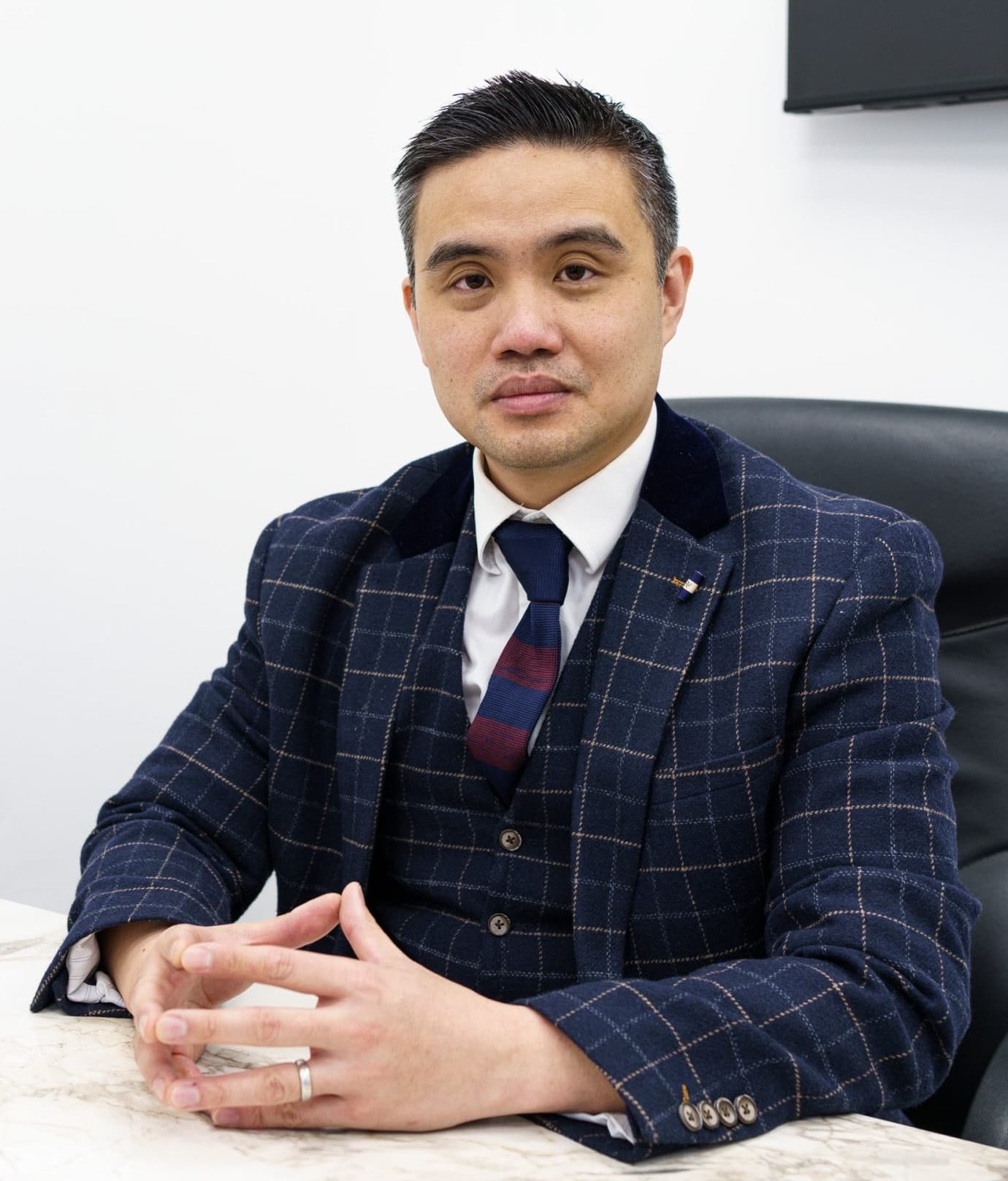 Reviewed byProf Paul Lee MBBch, FRCS (Tr & Orth), PhDLast reviewed 1 May 2026
Instability most commonly follows a traumatic dislocation that tears the labrum (Bankart lesion) and stretches the capsular ligaments. Other causes include:
Diagnosis combines clinical examination with MRI arthrogram and, where bone loss is suspected, CT scan to quantify the deficiency and plan surgery.
At London Cartilage Clinic, our shoulder specialists assess the full picture, including labral damage, bone loss, and capsular laxity, to determine the most effective stabilisation strategy.
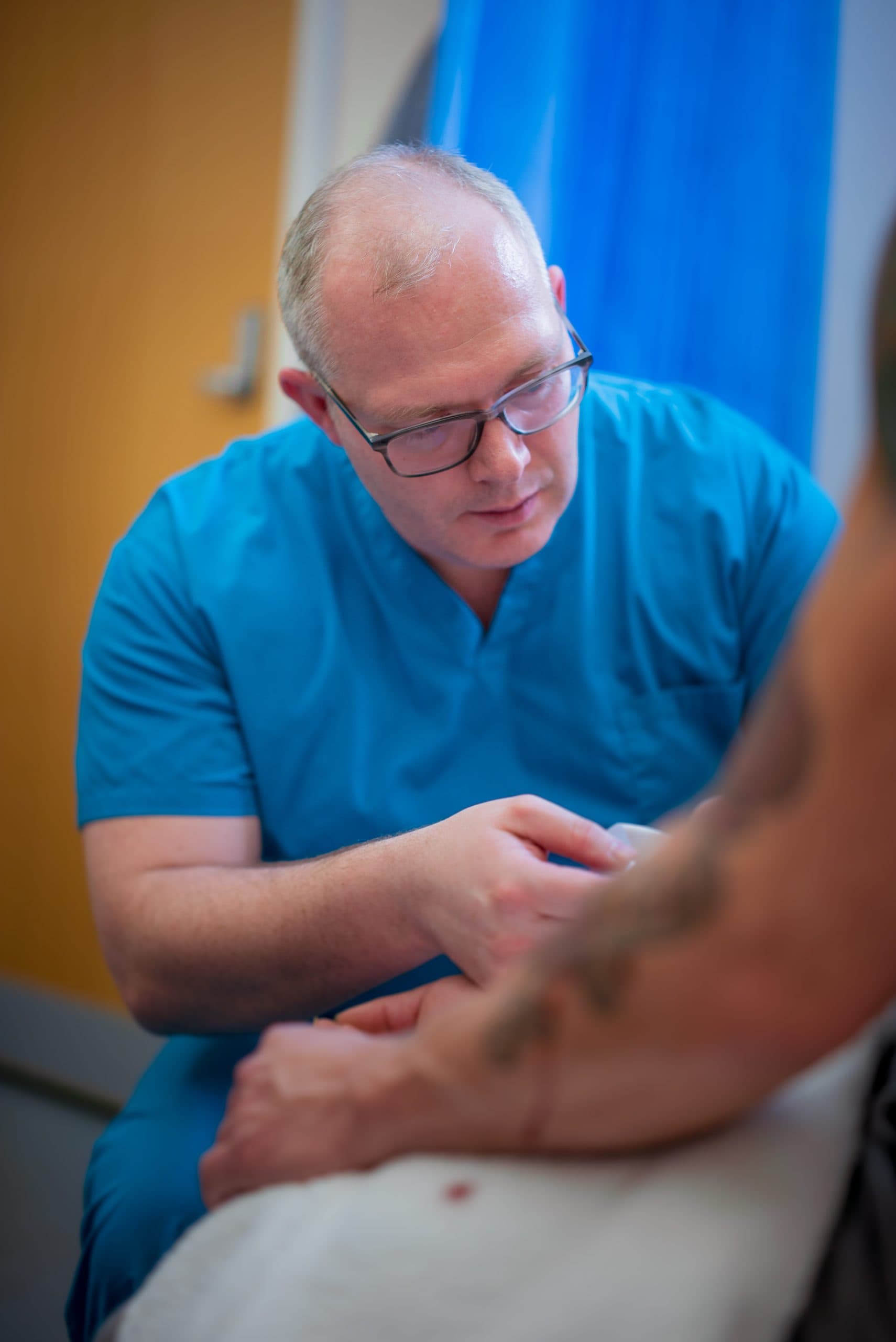
You may have more options than you think
At London Cartilage Clinic we follow a structured clinical framework across four areas of treatment. Before recommending a single procedure, we assess which combination of approaches gives you the best outcome.
Protect what you have. Slow degeneration and manage symptoms.
Fix specific damage. Torn tissue, unstable joints, structural problems.
Rebuild lost tissue. Biological treatments that stimulate new growth.
When other options are exhausted. Joint replacement as a last resort.
Explore the full range of treatments available for your joint. Each hub page shows every option we offer, organised by clinical approach.
Shoulder instability means the ball of the humerus moves excessively within or out of the socket. It ranges from a feeling of looseness (subluxation) to full dislocation. It typically results from traumatic injury, repetitive overhead sport, or generalised ligament laxity.
SLAP stands for Superior Labrum Anterior to Posterior. It is a tear at the top of the labrum where the biceps tendon anchors. SLAP lesions are common in overhead athletes and can cause deep shoulder pain, clicking, and a sense of instability during throwing or lifting.
After a first dislocation, the risk of recurrence depends on age, activity level, and the extent of labral and bony damage. Younger patients (under 25) have a significantly higher recurrence rate, which is why early surgical stabilisation is often recommended in this group.
Arthroscopic Bankart repair reattaches the torn labrum using suture anchors. In cases with significant bone loss, a Latarjet procedure (bone block) may be needed to reconstruct the socket rim. SLAP repairs reattach the superior labrum, though management varies by age and activity demands.
Still have more specific concerns?
Free Discovery CallLondon Cartilage Clinic
Clinical updates, cartilage treatment guidance, and recovery-focused articles from our specialist team.
A practical overview of cartilage repair, injection therapy, rehabilitation planning, and the clinical evidence that guides joint preservation care.
A practical overview of cartilage repair, injection therapy, rehabilitation planning, and the clinical evidence that guides joint preservation care.
A practical overview of cartilage repair, injection therapy, rehabilitation planning, and the clinical evidence that guides joint preservation care.