

Knee Cartilage
Demo Author One
Cartilage repair options for lasting joint health
A practical overview of cartilage repair, injection therapy, rehabilitation planning, and the clinical evidence that guides joint preservation care.

Plantar fasciitis is the most common cause of heel pain. It develops when the thick band of tissue on the sole of the foot becomes overloaded and degenerates, causing sharp pain with the first steps of the day and after periods of rest.
 Reviewed byProf Paul Lee MBBch, FRCS (Tr & Orth), PhDLast reviewed 1 May 2026
Diagnosis is typically clinical. Ultrasound can confirm thickening of the fascia, and MRI may be used to rule out other causes of heel pain.
Treatment follows a structured, evidence-based pathway tailored to the duration and severity of your symptoms.
We treat the tissue biology, not just the symptoms. Steroid injections are used cautiously because repeated use can weaken the fascia and risk rupture.
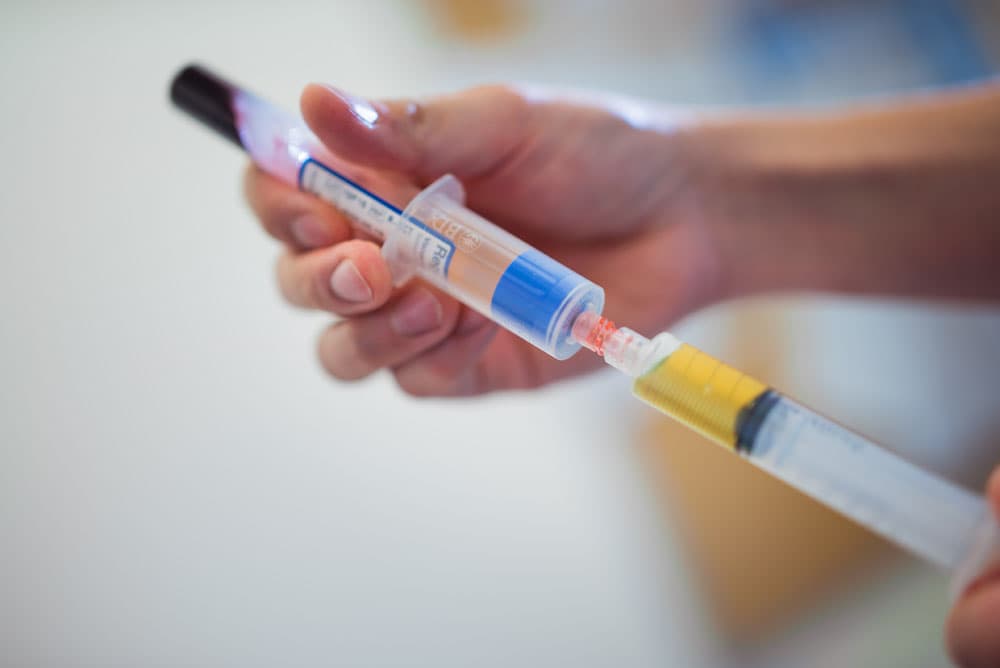
You may have more options than you think
At London Cartilage Clinic we follow a structured clinical framework across four areas of treatment. Before recommending a single procedure, we assess which combination of approaches gives you the best outcome.
Protect what you have. Slow degeneration and manage symptoms.
Fix specific damage. Torn tissue, unstable joints, structural problems.
Rebuild lost tissue. Biological treatments that stimulate new growth.
When other options are exhausted. Joint replacement as a last resort.
Explore the full range of treatments available for your joint. Each hub page shows every option we offer, organised by clinical approach.

The plantar fascia is a thick band of tissue that runs along the sole of the foot from the heel to the toes. Overloading through increased activity, weight gain, tight calves, or poor footwear causes micro-tears and degeneration at the calcaneal attachment, producing heel pain.
During sleep, the plantar fascia contracts in a shortened position. The first steps of the day re-stretch the tissue, causing sharp pain at the heel. This start-up pain is one of the hallmark symptoms of plantar fasciitis.
Most cases improve within 6 to 12 months with structured treatment. However, chronic cases can persist longer. Early, targeted treatment shortens recovery and reduces the risk of the condition becoming entrenched.
In addition to calf and plantar fascia stretching, options include shockwave therapy, PRP injection, mFat therapy, custom orthotics, night splints, and targeted physiotherapy. We tailor the approach based on symptom duration and severity.
Still have more specific concerns?
Free Discovery CallLondon Cartilage Clinic
Clinical updates, cartilage treatment guidance, and recovery-focused articles from our specialist team.
A practical overview of cartilage repair, injection therapy, rehabilitation planning, and the clinical evidence that guides joint preservation care.
A practical overview of cartilage repair, injection therapy, rehabilitation planning, and the clinical evidence that guides joint preservation care.
A practical overview of cartilage repair, injection therapy, rehabilitation planning, and the clinical evidence that guides joint preservation care.