

Knee Cartilage
Demo Author One
Cartilage repair options for lasting joint health
A practical overview of cartilage repair, injection therapy, rehabilitation planning, and the clinical evidence that guides joint preservation care.

Guide price only. Final cost is confirmed after assessment.
nStride is an innovative knee treatment available at the UK's leading Knee Treatment Clinic, offering a approach to managing knee osteoarthritis. This autologous protein solution (APS) therapy is designed to improve joint health and reduce the symptoms of osteoarthritis. nStride is an alternative to more invasive procedures, offering patients a chance to regain mobility and improve their quality of life. Book a consultation today to see if nStride is the right solution for your knee health needs.
 Reviewed byProf Paul Lee MBBch, FRCS (Tr & Orth), PhDLast reviewed 1 May 2026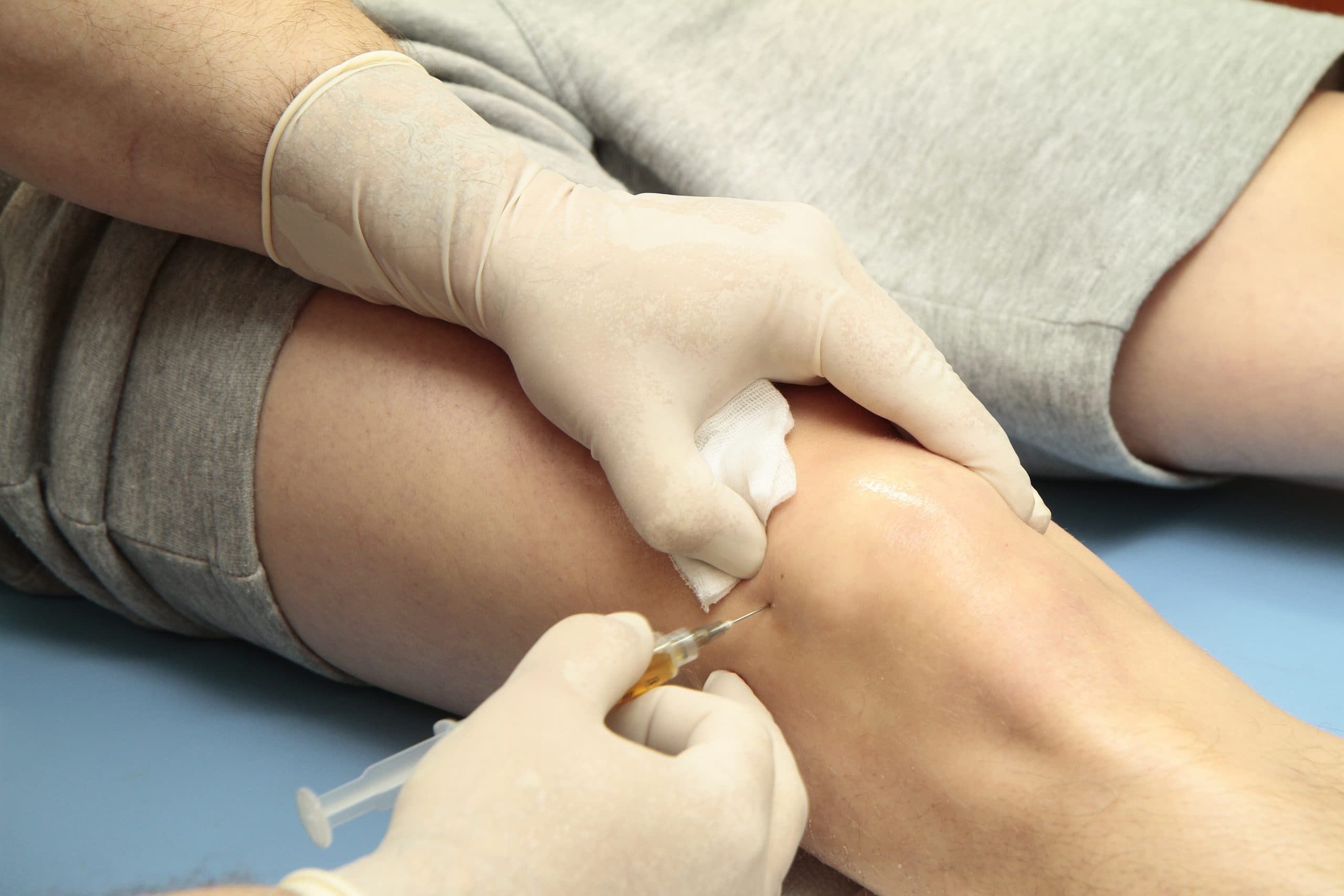
nStride uses an autologous protein solution derived from your blood to deliver a concentrated anti-inflammatory and regenerative signal to the knee joint.
nStride is particularly relevant for patients with ongoing knee OA pain who need a structured non-surgical strategy.
The treatment pathway includes blood collection, protein concentration processing, and precise intra-articular injection in an outpatient setting.
At London Cartilage Clinic, candidate selection and treatment timing are specialist-led to maximise benefit and align therapy with your severity profile and goals.
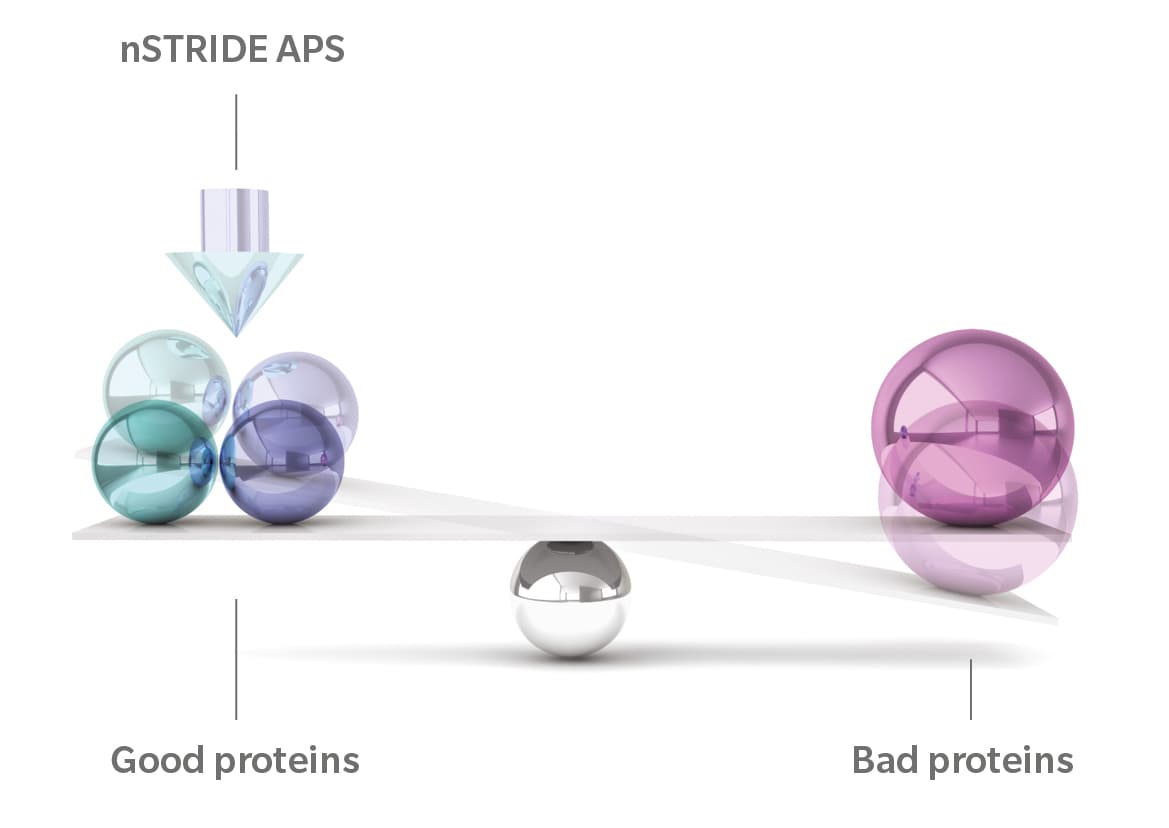

nStride offers several advantages over traditional osteoarthritis treatments. It’s a minimally invasive procedure, reducing the risks associated with surgery. Patients often experience significant pain relief and improved joint function. Additionally, nStride is designed to be a long-term solution, potentially slowing the progression of osteoarthritis.
Ideal candidates for nStride are individuals experiencing knee pain due to osteoarthritis who have not found relief with traditional treatments. However, the suitability of nStride varies depending on individual circumstances, so a consultation with one of our specialists is essential.
Post-treatment, patients may experience temporary discomfort or swelling at the injection site. Most individuals notice an improvement in joint pain and mobility within weeks of the treatment. We recommend a follow-up appointment to monitor progress and determine the need for additional treatments.
Still have more specific concerns?
Free Discovery CallLondon Cartilage Clinic
Clinical updates, cartilage treatment guidance, and recovery-focused articles from our specialist team.
A practical overview of cartilage repair, injection therapy, rehabilitation planning, and the clinical evidence that guides joint preservation care.
A practical overview of cartilage repair, injection therapy, rehabilitation planning, and the clinical evidence that guides joint preservation care.
A practical overview of cartilage repair, injection therapy, rehabilitation planning, and the clinical evidence that guides joint preservation care.