

Knee Cartilage
Demo Author One
Cartilage repair options for lasting joint health
A practical overview of cartilage repair, injection therapy, rehabilitation planning, and the clinical evidence that guides joint preservation care.

Guide price only. Final cost is confirmed after assessment.
mFat therapy delivers your own adipose-derived stem cells to the wrist joint to address arthritis, degeneration, and chronic wrist pain. The wrist is one of the most complex joints in the body, with eight carpal bones and multiple small articulations. When these joints degenerate, the consequences for daily hand function are significant. Biological treatment with mFat offers a way to manage symptoms and preserve wrist movement before more permanent surgical options become necessary.
 Reviewed byProf Paul Lee MBBch, FRCS (Tr & Orth), PhDLast reviewed 1 May 2026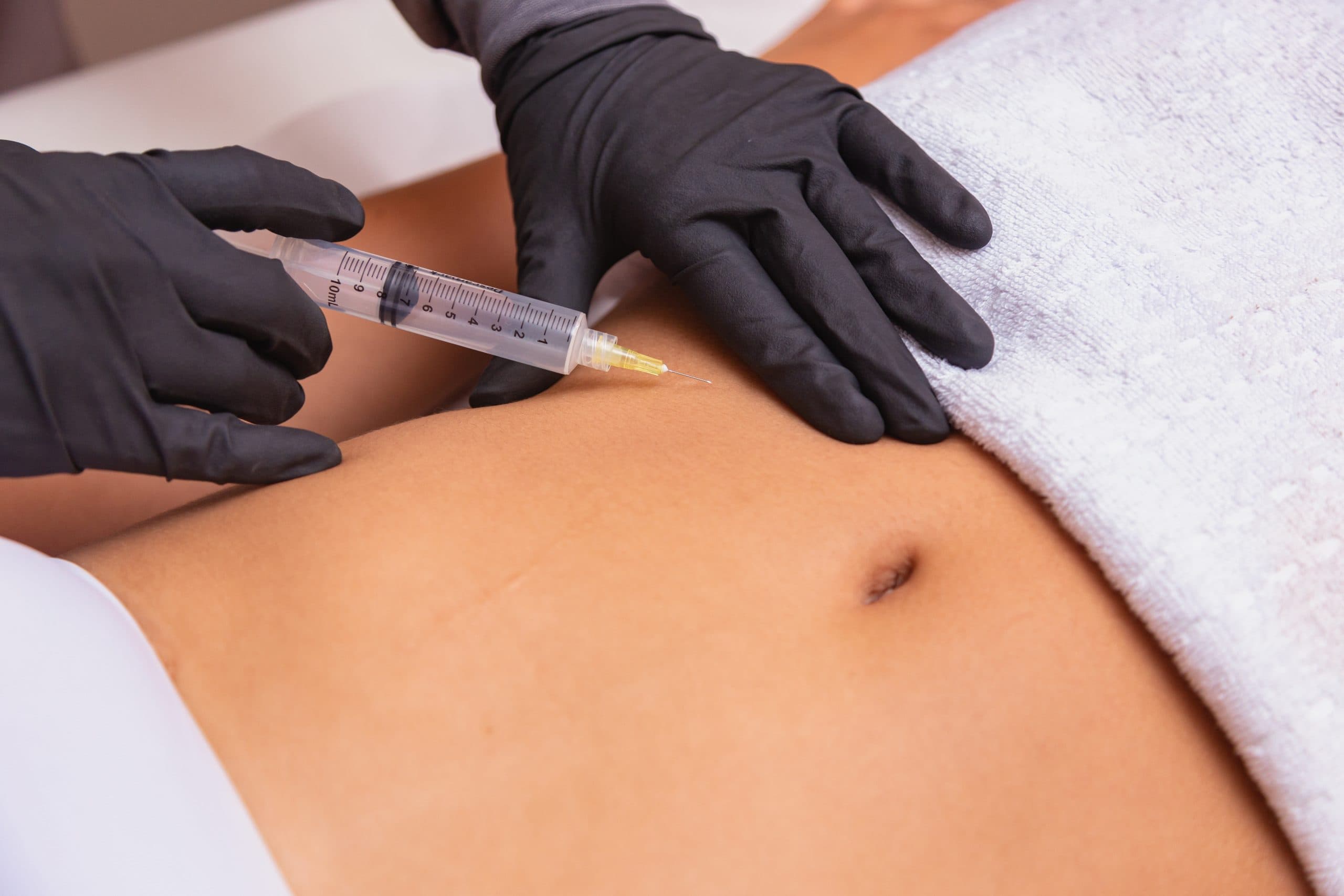
The wrist achieves its remarkable range of movement through coordinated motion across multiple small joints. Arthritis in even one compartment can cascade into broader dysfunction as neighbouring joints compensate.
Biological treatment at an earlier stage can help manage the inflammatory environment and slow the progression of arthritis, extending the useful life of the wrist joint.
The procedure follows the standard mFat protocol: adipose tissue is harvested from the abdomen, processed in a closed system, and injected into the wrist joint under ultrasound guidance.
Your specialist will assess the pattern of wrist arthritis and determine whether mFat therapy alone or a combined approach with other treatments offers the best strategy for preserving your wrist function.

You may have more options than you think
At London Cartilage Clinic we follow a structured clinical framework across four areas of treatment. Before recommending a single procedure, we assess which combination of approaches gives you the best outcome.
Protect what you have. Slow degeneration and manage symptoms.
Fix specific damage. Torn tissue, unstable joints, structural problems.
Rebuild lost tissue. Biological treatments that stimulate new growth.
When other options are exhausted. Joint replacement as a last resort.
Explore the full range of treatments available for your joint. Each hub page shows every option we offer, organised by clinical approach.
mFat is used for wrist osteoarthritis, TFCC-related degeneration, scapholunate instability with secondary arthritis, and post-traumatic wrist joint damage. It is particularly relevant for patients who want to preserve wrist movement and delay or avoid partial wrist fusion.
The wrist is made up of eight small carpal bones with multiple articulating surfaces. Once arthritis develops, the standard surgical options are limited to partial or total wrist fusion, which eliminates movement. Biological treatment aims to slow degeneration and maintain the mobility that makes the wrist functional.
After harvesting and processing the adipose tissue, the concentrated cells are injected into the wrist joint under ultrasound guidance. The small, complex anatomy of the wrist makes image guidance essential for accurate placement.
Most patients can use the wrist for light tasks within a few days. A wrist support may be recommended for one to two weeks. Progressive loading and gripping activities are reintroduced gradually, with improvement in pain and function developing over the following weeks.
Still have more specific concerns?
Free Discovery CallLondon Cartilage Clinic
Clinical updates, cartilage treatment guidance, and recovery-focused articles from our specialist team.
A practical overview of cartilage repair, injection therapy, rehabilitation planning, and the clinical evidence that guides joint preservation care.
A practical overview of cartilage repair, injection therapy, rehabilitation planning, and the clinical evidence that guides joint preservation care.
A practical overview of cartilage repair, injection therapy, rehabilitation planning, and the clinical evidence that guides joint preservation care.