

Knee Cartilage
Demo Author One
Cartilage repair options for lasting joint health
A practical overview of cartilage repair, injection therapy, rehabilitation planning, and the clinical evidence that guides joint preservation care.

Get industry leading private treatments for damage to the meniscus that seek to repair, save, and protect knee meniscus, as supplied by London Cartilage Clinic.

Surgery to repair the meniscus is a low risk procedure that historically results in very little complications. An arthroscope is used to complete precise trimming and repair of the meniscus with minimal invasion. Despite this excellence, our rates are in line with the average private meniscus knee surgery cost uk.
Learn More
The London Cartilage Clinic can complete partial meniscus removal surgery to strike a balance between achieving the best results and avoiding. This process seeks to remove as little of the damaged cartilage as possible and instead manipulate the meniscus to facilitate healing.
Learn More
We have developed an artificial support scaffold that can be used to allow for the regeneration of the meniscus. This is typically employed to treat patients who have suffered larger tears to the meniscus and subsequently had parts of the cartilage removed.
Learn More
Cartilage replacement, either with biological or specialised synthetic material for those with extensive meniscus damage. This treatment delays the onset of arthritis by reducing contact pressure, while also helping restore structural knee support.
Learn More Reviewed byProf Paul Lee MBBch, FRCS (Tr & Orth), PhDLast reviewed 1 May 2026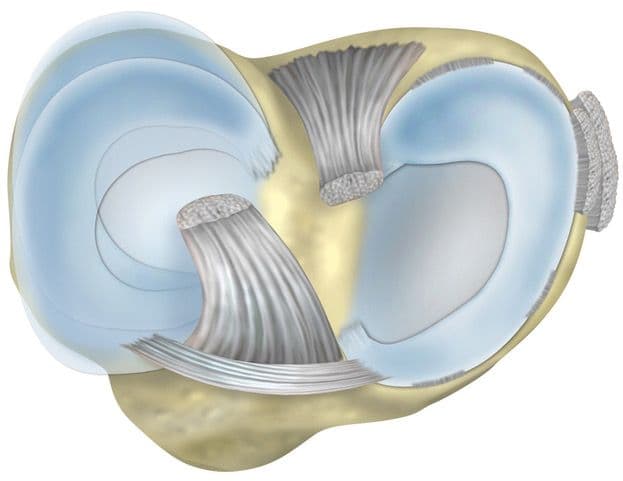
Meniscus is a type of hard cartilage present in the knee joint that functions as a shock absorber. Each knee contains two C-shaped menisci, the lateral meniscus and the medial meniscus. Both are positioned to cushion the area where the thigh bones and shin bones meet. A meniscus tear is a serious injury as it prevents the individual from moving their knee in the ways they are used to.
A tear in the meniscus typically occurs when the upper leg twists while the foot remains planted. A torn meniscus is therefore a common injury among athletes and sports players. Symptoms can include:

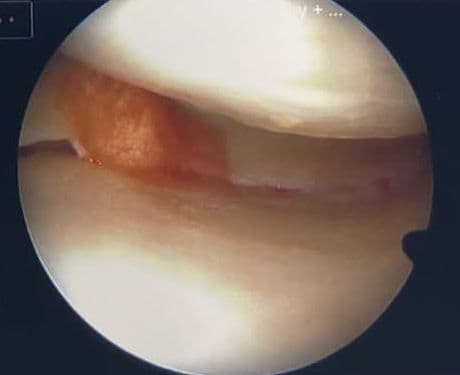
With modern technology and techniques, there are many treatments options for a torn meniscus which can be explored before knee meniscus surgery. Resting the affected knee and applying ice packs can help relieve the pain, along with various pain relief medication. You may also be asked to complete regular exercises designed to strengthen the muscles surrounding the knee. However, meniscus tear treatments will vary depending on a variety of factors. This includes age, medical history, severity of the injury, and more.
As our name suggests, we specialise in treatments designed to restore the cartilage and protect its important role within our bodies. Our medical experts possess the knowledge and training required to complete meniscus tear surgery with minimal risk. By leveraging an in-depth understanding of human anatomy, our experts can provide treatments and advice in many disciplinary areas.

You may have more options than you think
At London Cartilage Clinic we follow a structured clinical framework across four areas of treatment. Before recommending a single procedure, we assess which combination of approaches gives you the best outcome.
Protect what you have. Slow degeneration and manage symptoms.
Fix specific damage. Torn tissue, unstable joints, structural problems.
Rebuild lost tissue. Biological treatments that stimulate new growth.
When other options are exhausted. Joint replacement as a last resort.
Explore the full range of treatments available for your joint. Each hub page shows every option we offer, organised by clinical approach.

Some smaller tears may settle with rest, rehabilitation, and targeted non-surgical care. However, this depends on tear location, stability, symptoms, and your activity goals. A specialist assessment helps determine whether conservative treatment is enough or if surgery is the safer long-term option.
Recovery time varies by treatment type and tear severity. Non-surgical treatment may improve symptoms within weeks, while surgical recovery can take longer with staged rehabilitation. Your surgeon will provide a personalised timeline based on your knee condition, age, and return-to-sport or work goals.
Seek specialist review if pain, swelling, locking, or difficulty straightening the knee lasts more than a few days, or if the knee feels unstable. Early diagnosis can help protect remaining meniscal tissue and reduce the risk of ongoing joint damage.
Still have more specific concerns?
Free Discovery CallLondon Cartilage Clinic
Clinical updates, cartilage treatment guidance, and recovery-focused articles from our specialist team.
A practical overview of cartilage repair, injection therapy, rehabilitation planning, and the clinical evidence that guides joint preservation care.
A practical overview of cartilage repair, injection therapy, rehabilitation planning, and the clinical evidence that guides joint preservation care.
A practical overview of cartilage repair, injection therapy, rehabilitation planning, and the clinical evidence that guides joint preservation care.