

Knee Cartilage
Demo Author One
Cartilage repair options for lasting joint health
A practical overview of cartilage repair, injection therapy, rehabilitation planning, and the clinical evidence that guides joint preservation care.

Guide price only. Final cost is confirmed after assessment.
Chondromalacia Patella, commonly known as 'runner's knee', is a condition characterised by the softening and damage of the cartilage beneath the kneecap (patella). This condition primarily affects young adults and teenagers and is more prevalent in women. The exact cause of Chondromalacia Patella remains unclear, but it's often associated with knee overuse, particularly in sports, and may result from misalignment or imbalance in knee muscles. Common symptoms include pain at the front of the knee, particularly when climbing stairs or after prolonged sitting, and a grinding sensation during knee movement.
 Reviewed byProf Paul Lee MBBch, FRCS (Tr & Orth), PhDLast reviewed 1 May 2026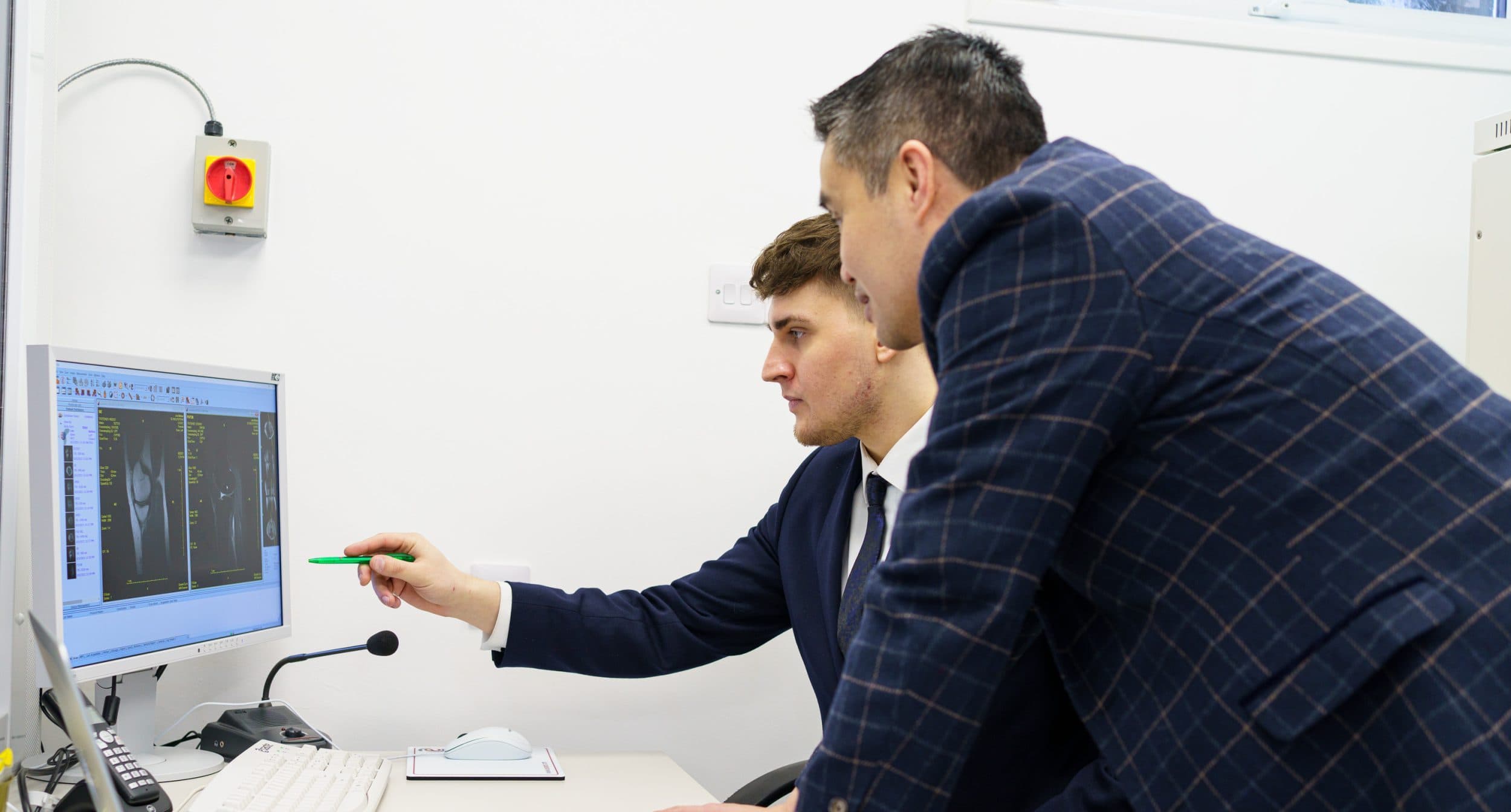
Chondromalacia patella describes softening and wear of cartilage beneath the kneecap, often causing front-of-knee pain, crepitus, and activity-related discomfort.
Early, targeted treatment can reduce pain, improve tracking mechanics, and help avoid progression to more persistent joint damage.
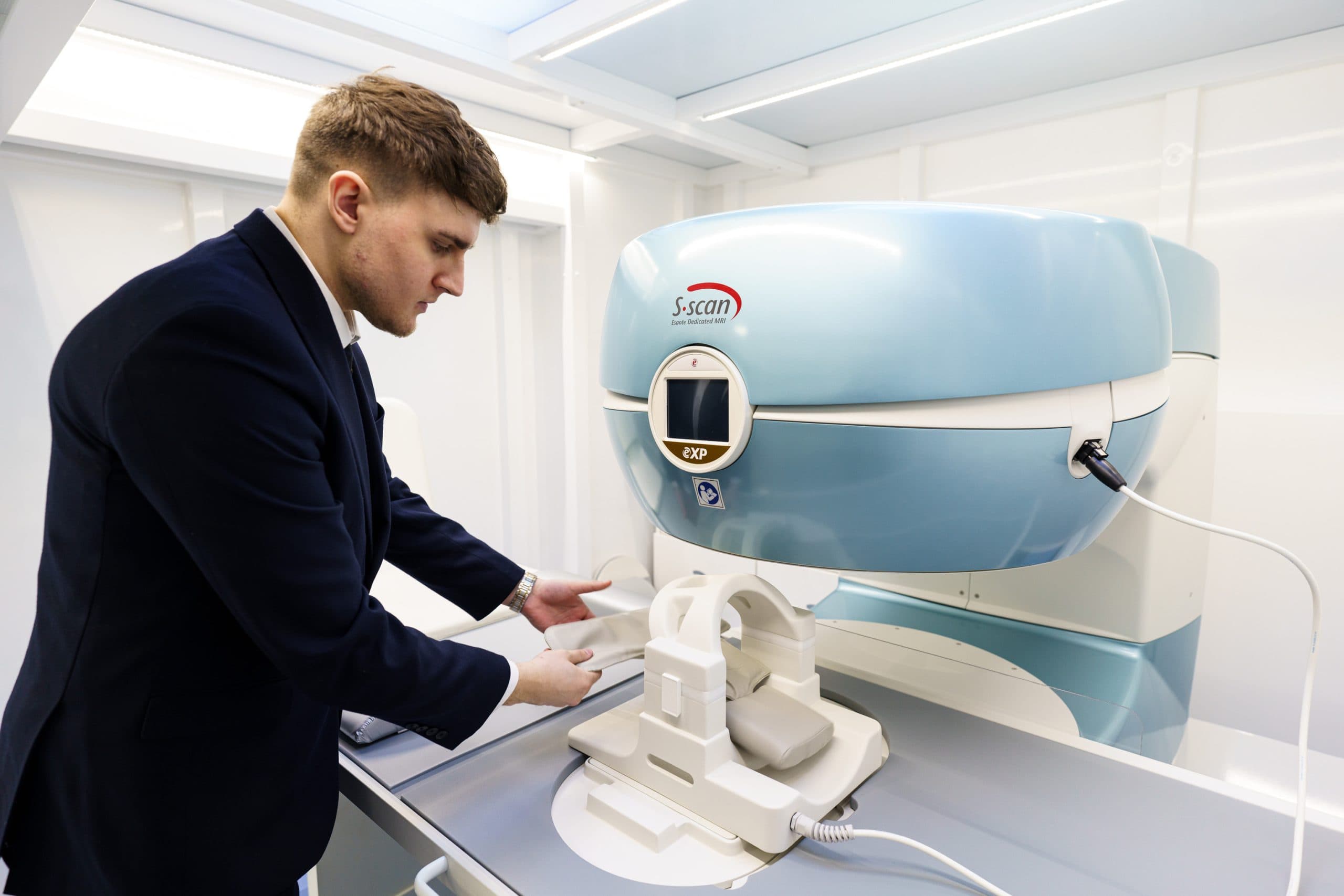
We start with a specialist exam, movement analysis, and imaging when needed to confirm cartilage status and identify contributors such as maltracking or overload.
At London Cartilage Clinic, each pathway is personalised to reduce pain, improve patellofemoral function, and support long-term knee health.

Physical activities that place strain on the knees are likely to lead to the worsening of chondromalacia symptoms. Common examples include running, jumping, hiking, and sports involving dynamic leg movements. Staying in a seated position for long periods of time can also exacerbate the symptoms of chondromalacia.
Untreated chondromalacia will lead to the complete degradation of the cartilage underneath the patella. This will leave the knee vulnerable to impacts and drastically increase the likelihood of osteoarthritis.
Chondromalacia Patella is unique due to its specific location – the cartilage under the kneecap – and its common occurrence in young adults, particularly females.
Non-surgical treatments, including injections, magnetic therapy (PEMF), physiotherapy and medication, are effective in most cases, significantly improving symptoms without the need for surgery.
Surgery is considered when conservative treatments fail to provide relief, focusing on realigning or repairing the damaged cartilage.
Still have more specific concerns?
Free Discovery CallLondon Cartilage Clinic
Clinical updates, cartilage treatment guidance, and recovery-focused articles from our specialist team.
A practical overview of cartilage repair, injection therapy, rehabilitation planning, and the clinical evidence that guides joint preservation care.
A practical overview of cartilage repair, injection therapy, rehabilitation planning, and the clinical evidence that guides joint preservation care.
A practical overview of cartilage repair, injection therapy, rehabilitation planning, and the clinical evidence that guides joint preservation care.