

Knee Cartilage
Demo Author One
Cartilage repair options for lasting joint health
A practical overview of cartilage repair, injection therapy, rehabilitation planning, and the clinical evidence that guides joint preservation care.

Chronic ankle instability develops when the ligaments on the outside of the ankle fail to heal properly after a sprain, leaving the ankle prone to repeated giving way, swelling, and pain during activity.
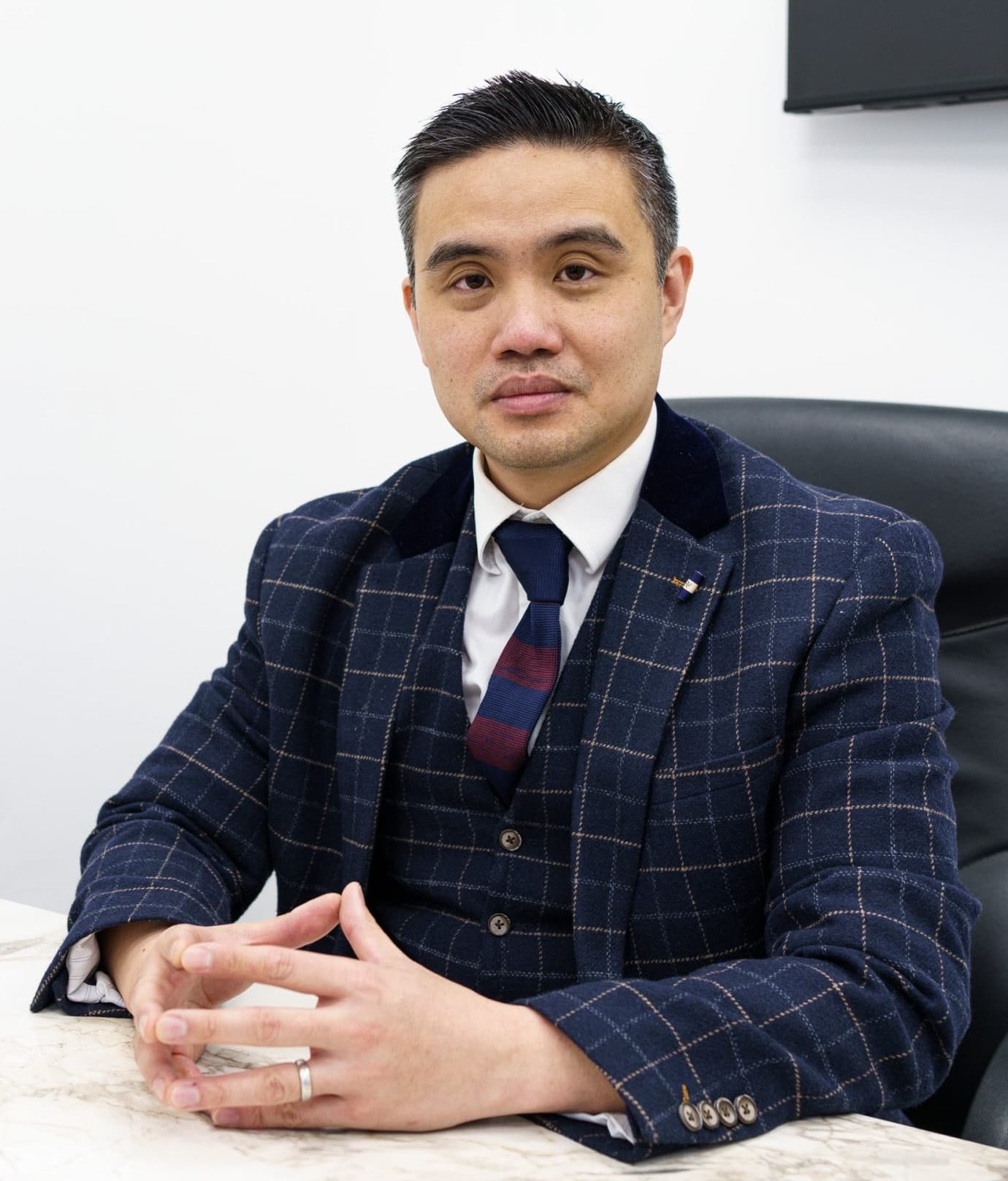 Reviewed byProf Paul Lee MBBch, FRCS (Tr & Orth), PhDLast reviewed 1 May 2026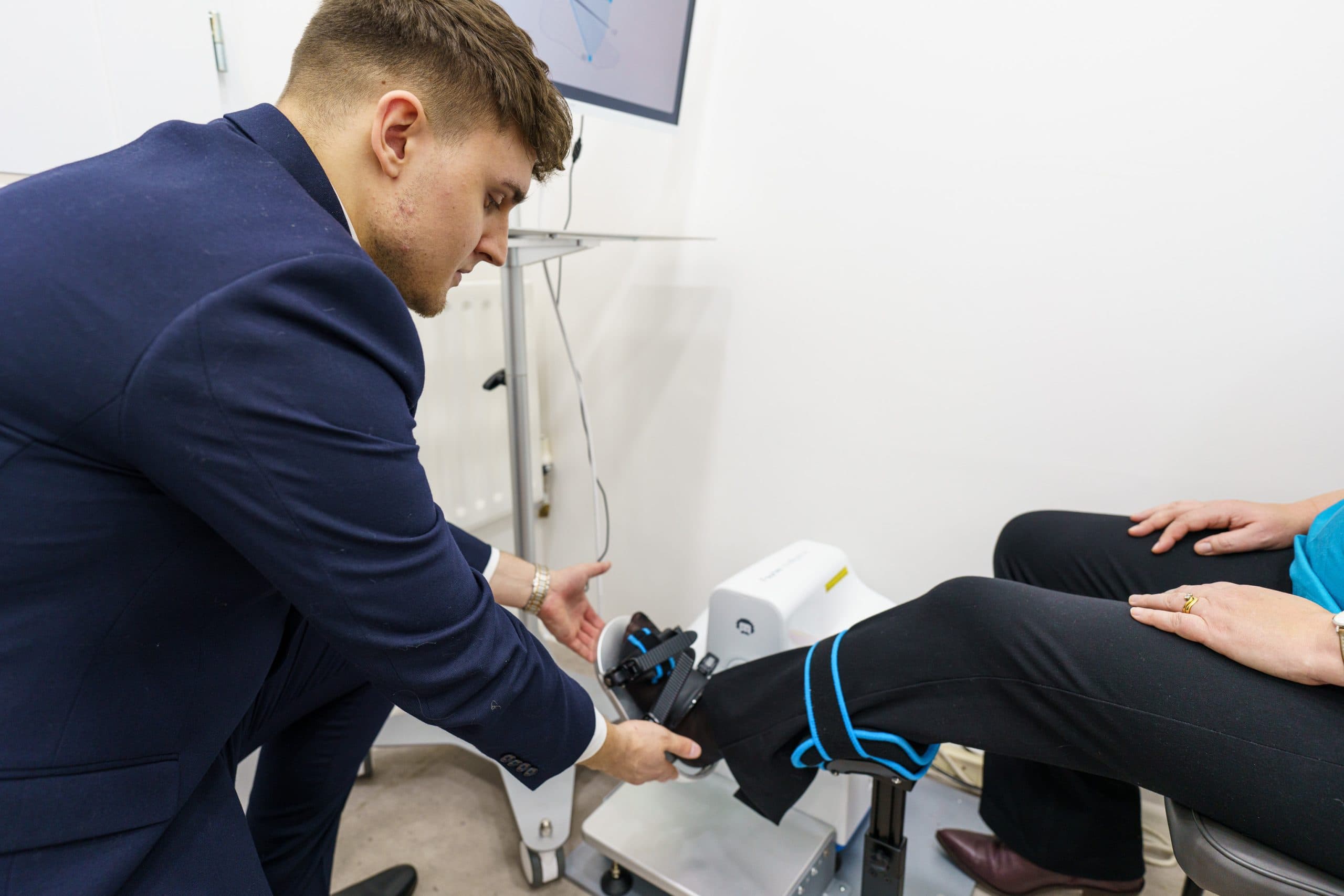
The lateral ankle ligaments (ATFL and CFL) are the primary restraints against the ankle rolling inward. A sprain stretches or tears these ligaments. If they heal in an elongated state, the ankle lacks the mechanical support to resist further sprains.
Treatment follows a step-wise approach starting with rehabilitation and progressing to surgery only when needed.
At arthroscopy, the joint is also assessed for cartilage damage that may have resulted from repeated instability events.
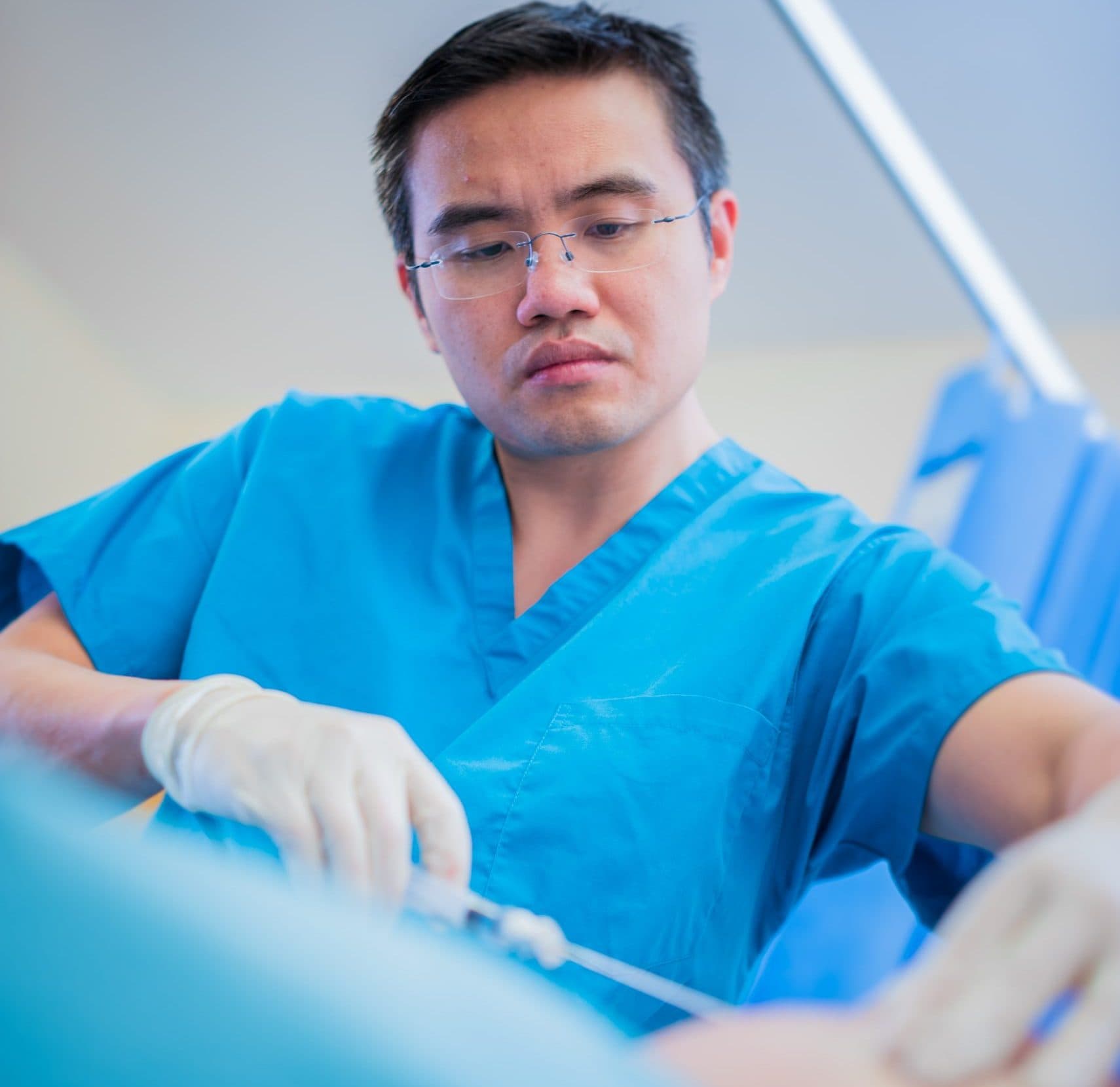
You may have more options than you think
At London Cartilage Clinic we follow a structured clinical framework across four areas of treatment. Before recommending a single procedure, we assess which combination of approaches gives you the best outcome.
Protect what you have. Slow degeneration and manage symptoms.
Fix specific damage. Torn tissue, unstable joints, structural problems.
Rebuild lost tissue. Biological treatments that stimulate new growth.
When other options are exhausted. Joint replacement as a last resort.
Explore the full range of treatments available for your joint. Each hub page shows every option we offer, organised by clinical approach.
It typically develops after one or more ankle sprains that damage the lateral ligaments. If the ligaments heal in a stretched or weakened state, the ankle remains prone to giving way, particularly on uneven surfaces.
Many patients improve significantly with a structured programme focusing on proprioception (balance), peroneal muscle strengthening, and neuromuscular control. Surgery is reserved for those who remain unstable despite completing a thorough rehabilitation programme.
The most common procedure is a modified Brostrom repair, which tightens and reattaches the stretched ligaments. For more severe cases, a tendon graft reconstruction may be needed to rebuild the ligaments entirely.
Patients typically wear a boot for two to four weeks and begin physiotherapy early. Return to running from three months and sport from four to six months, guided by functional testing.
Still have more specific concerns?
Free Discovery CallLondon Cartilage Clinic
Clinical updates, cartilage treatment guidance, and recovery-focused articles from our specialist team.
A practical overview of cartilage repair, injection therapy, rehabilitation planning, and the clinical evidence that guides joint preservation care.
A practical overview of cartilage repair, injection therapy, rehabilitation planning, and the clinical evidence that guides joint preservation care.
A practical overview of cartilage repair, injection therapy, rehabilitation planning, and the clinical evidence that guides joint preservation care.